Updated on: 2026-09-01
Anti-aging hair products are designed to support hair that looks and feels more resilient. The right formulas can help address visible signs such as dullness, dryness, and loss of softness. Many modern products focus on hydration, scalp comfort, and protective ingredient systems rather than harsh cleansing alone. When you match the product to your hair type and routine, results can appear more consistent over time.
- Myths vs. Facts
- Step-by-Step Guide
- How to Choose Anti-Aging Hair Products
- Ingredients to Look For
- Common Routine Mistakes
- Frequently Asked Questions
- Summary & Key Takeaways
- Q&A Section
Myths vs. Facts
Anti-aging hair products often carry exaggerated promises online. A clear, evidence-informed approach helps you set realistic expectations and build a routine that supports hair quality. Below are common misconceptions and practical corrections.
Myth: Anti-aging hair products reverse age instantly.
Fact: Hair care supports texture and appearance. Changes typically come from consistent conditioning, gentle cleansing, and protection of the hair fiber.
Myth: Any “repair” claim means the product contains heavy medical-grade ingredients.
Fact: Most hair improvements come from moisturization, film-forming hydration support, and scalp-friendly cleansing practices.
Myth: If your hair is not oily, you can skip scalp care.
Fact: The scalp is part of hair health. Gentle cleansing and conditioning can help maintain a comfortable environment for consistent growth cycles.
Myth: One product is enough.
Fact: A routine often performs better with a shampoo step, optional conditioning, and scalp-friendly habits that match your texture and lifestyle.
Step-by-Step Guide
To get the best results from anti-aging hair products, build a routine that is simple, repeatable, and tailored to your needs. Use the steps below as a baseline and adjust based on how your hair responds.
Start with gentle, targeted cleansing. Choose a shampoo or cleansing bar that cleans without leaving the hair tightly stripped. Focus on the scalp and let the foam glide through the lengths.
Condition to improve softness and manageability. Apply conditioner where your hair needs it most: mid-lengths to ends. Even light conditioning can improve combability and reduce the look of roughness.
Support hydration with protective care. Many anti-aging-focused formulas use humectant and conditioning systems. They help hair feel smoother and look more uniform.
Reduce friction during and after washing. Use a gentle towel technique, avoid vigorous rubbing, and detangle slowly. Less breakage often makes “aging signs” less visible.
Repeat with consistency. Stick to a realistic schedule. Consistent hydration and scalp comfort matter more than sporadic deep changes.
Track what improves. Note softness, shine, tangling, and scalp comfort. If hair becomes heavy, adjust frequency or product amount.

Hydration icons over hair strands and a calm scalp
How to Choose Anti-Aging Hair Products
The best anti-aging hair products for you depend on your hair type, scalp sensitivity, and the specific “aging” signs you want to soften. Instead of chasing a single headline ingredient, evaluate the formula system and how it aligns with your routine.
1) Match the product to your hair texture
Fine hair often needs lightweight conditioning support, while thicker hair benefits from stronger smoothing and moisture retention. Look for descriptions that emphasize frizz control, softness, and manageable feel. If your hair becomes flat quickly, use less product and focus on ends.
2) Consider your scalp comfort
Scalp irritation can worsen how hair looks by increasing shedding or causing inflammation-related discomfort. Prioritize gentle cleansing and soothing support if your scalp feels dry, tight, or easily reactive.
3) Decide what you want to change first
Common goals include improved shine, reduced frizz, smoother texture, and better softness between washes. Select a shampoo and conditioner that work together rather than relying on one step to handle everything.
4) Choose consistent, wash-friendly formats
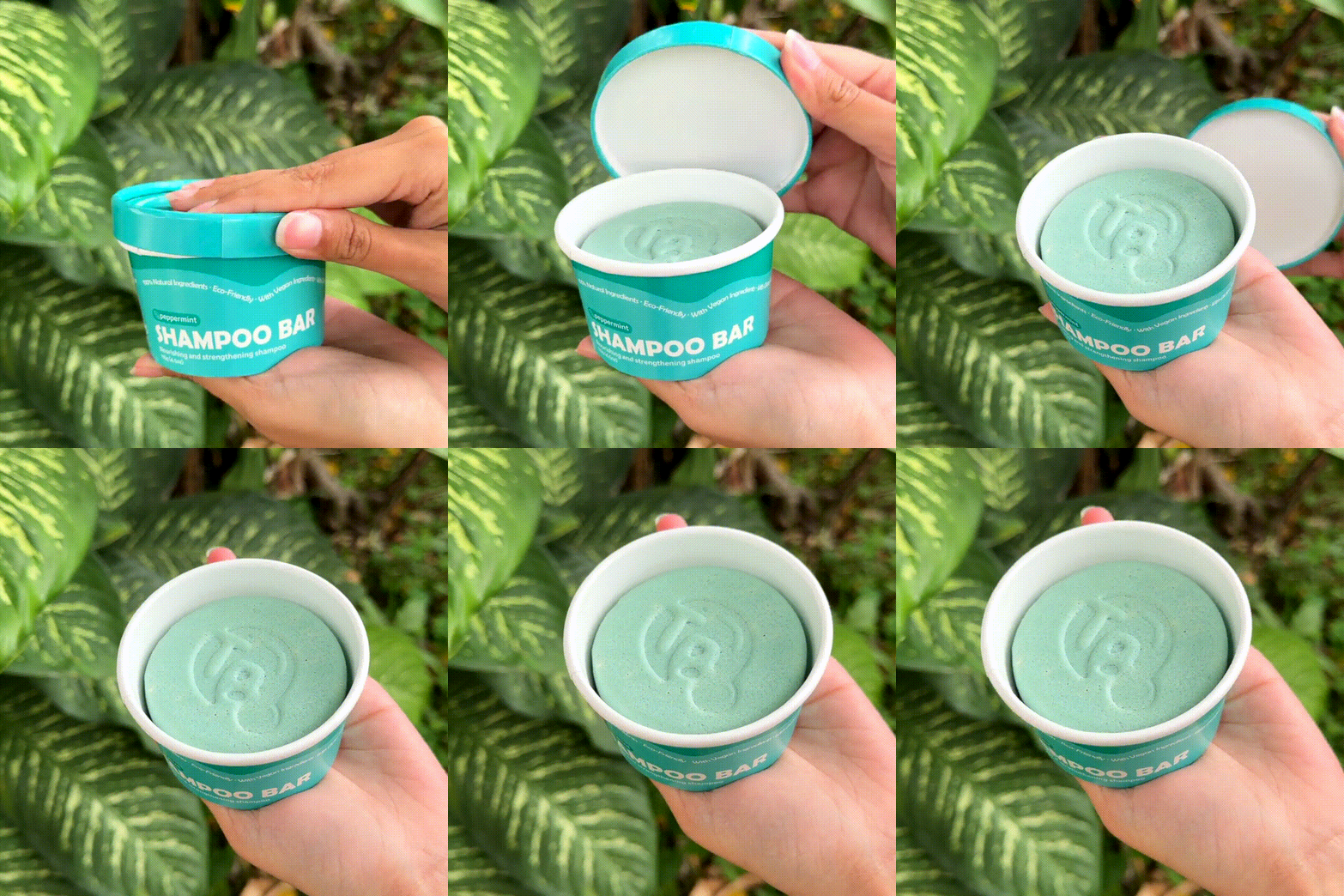
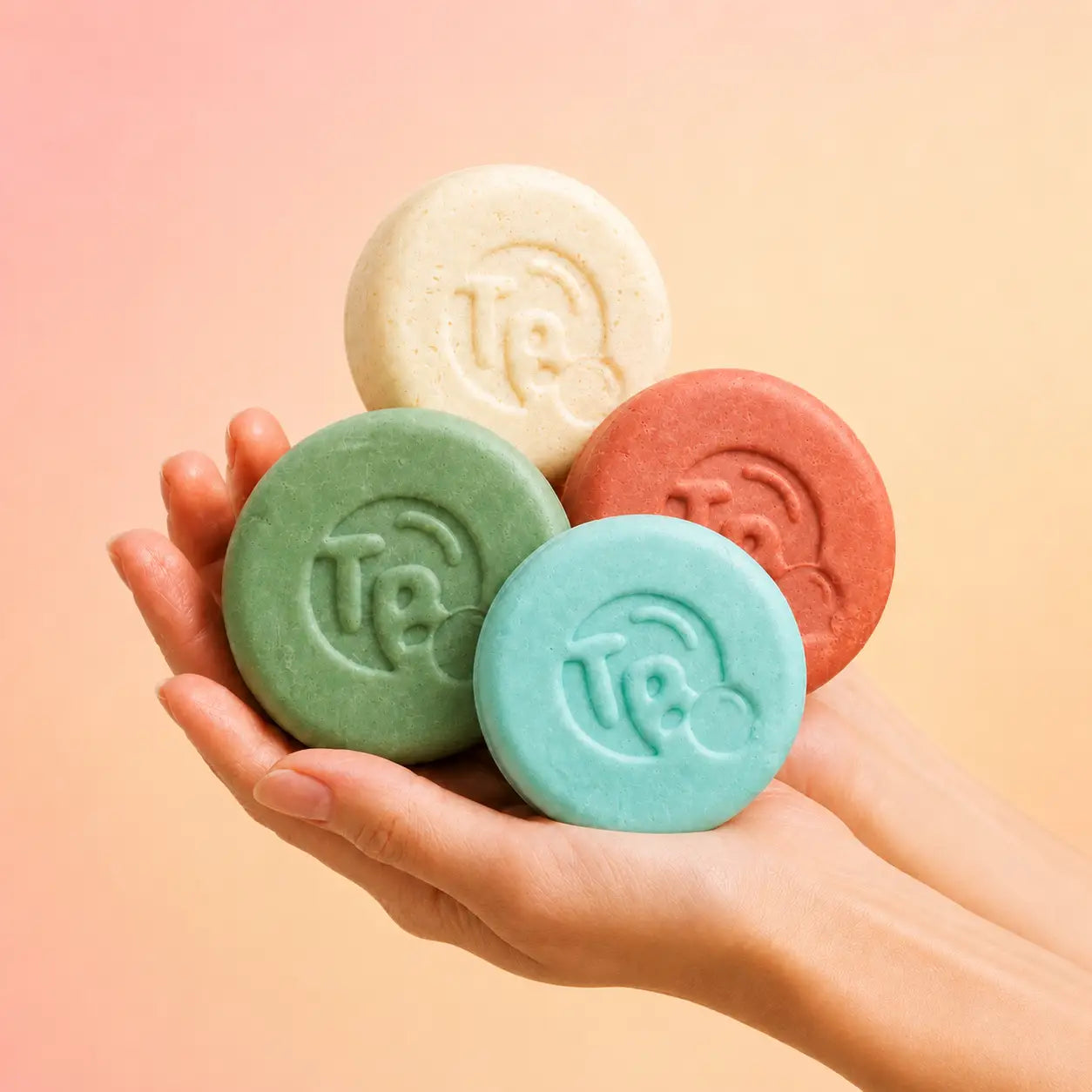
Many shoppers prefer solid cleansing bars for convenience and reduced residue risk when used correctly. Regardless of format, ensure thorough rinsing. Residual buildup can mute shine and make hair feel dull.
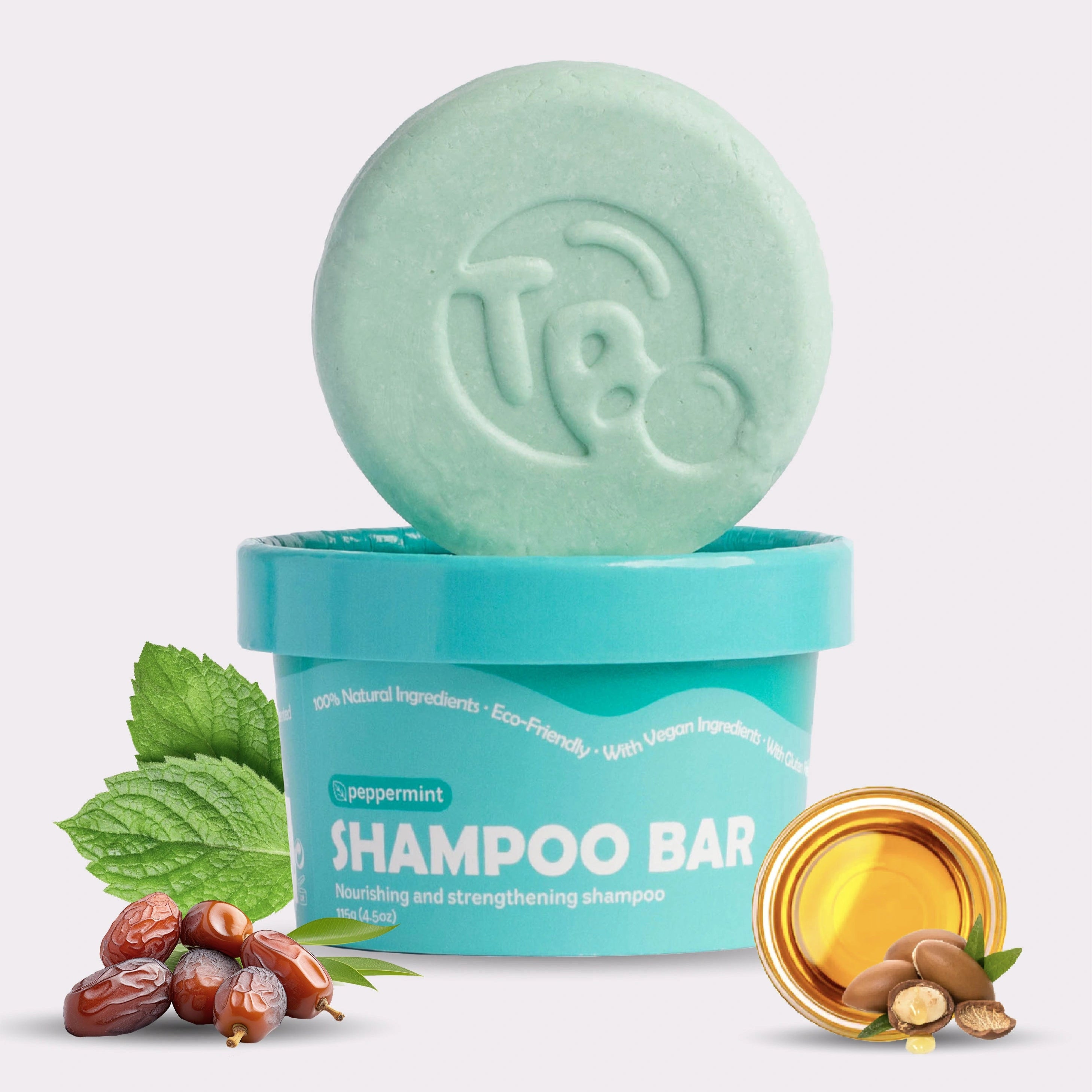
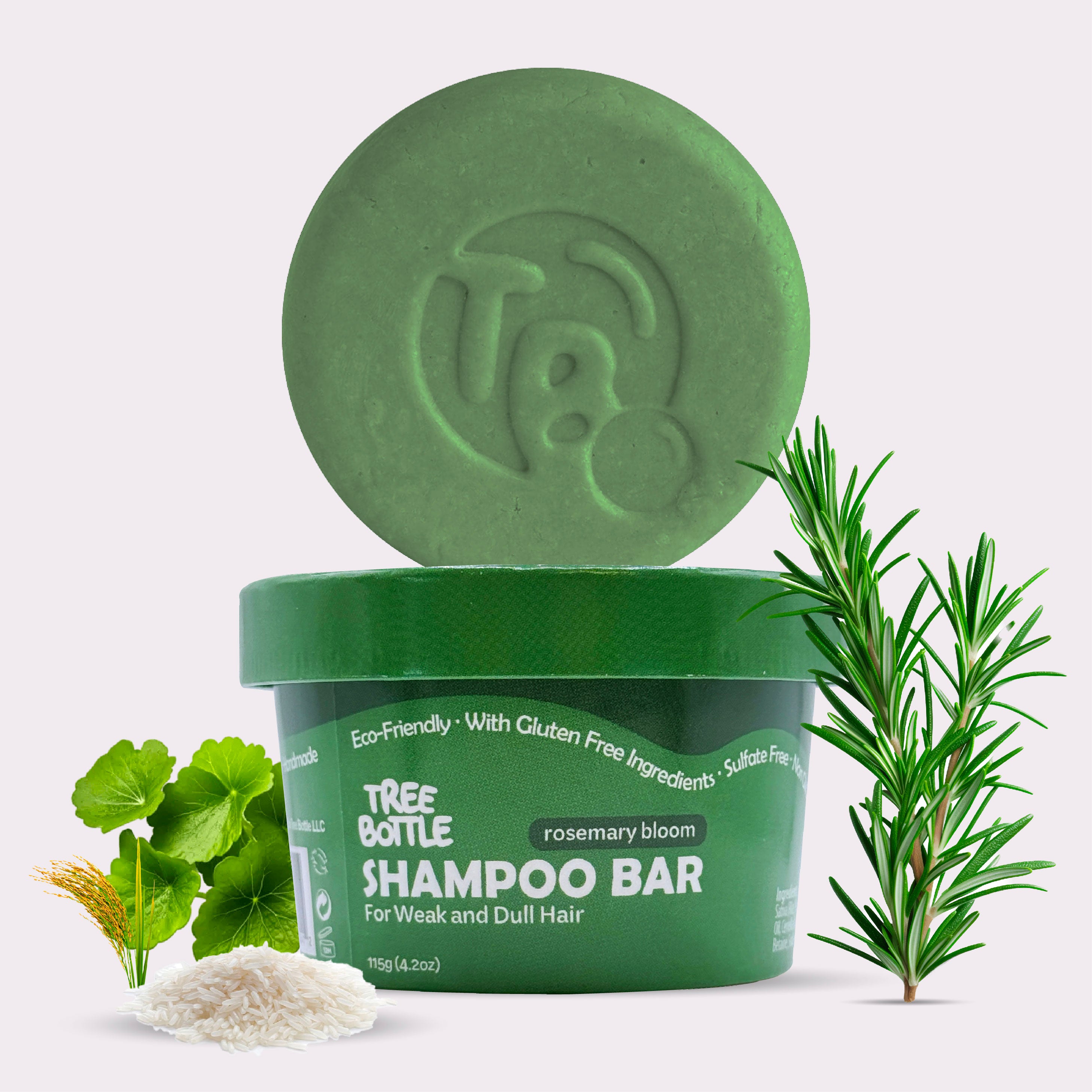
If you want a clear example of how a targeted anti-aging concept can be integrated into a shampoo-and-care routine, consider the anti-aging shampoo bar with hyaluronic acid and tomato extract. It illustrates how hydration support and ingredient-driven smoothing are commonly positioned in this category.
Ingredients to Look For
Anti-aging hair products usually work through a combination of hydration, conditioning, and protective support. The most useful ingredient sets vary by hair goals, but several categories are consistently relevant.
Hydration and moisture support
Look for humectant and conditioning agents that help hair retain water and feel supple. When hair is properly hydrated, it tends to reflect light more evenly, which can reduce the look of dullness.
Barrier-friendly conditioning
Conditioners can improve the way hair fibers slide against each other. This reduces roughness and tangling. Smoother hair often shows fewer flyaways and feels more comfortable after washing.
Scalp-supporting cleansing systems
A quality cleanser helps remove buildup without leaving hair feeling dry. For sensitive scalps, the goal is comfort and a balanced clean feel.
Antioxidant-related support
Some ingredient systems are chosen for their antioxidant positioning. While “anti-aging” cannot be reduced to a single ingredient, antioxidant support can be part of a broader approach to protecting appearance from environmental stressors.
Strength and manageability helpers
Hair fibers can look and behave differently when they feel over-processed or dry. Ingredient systems that support softness and detangling can indirectly help reduce breakage from stress during styling.
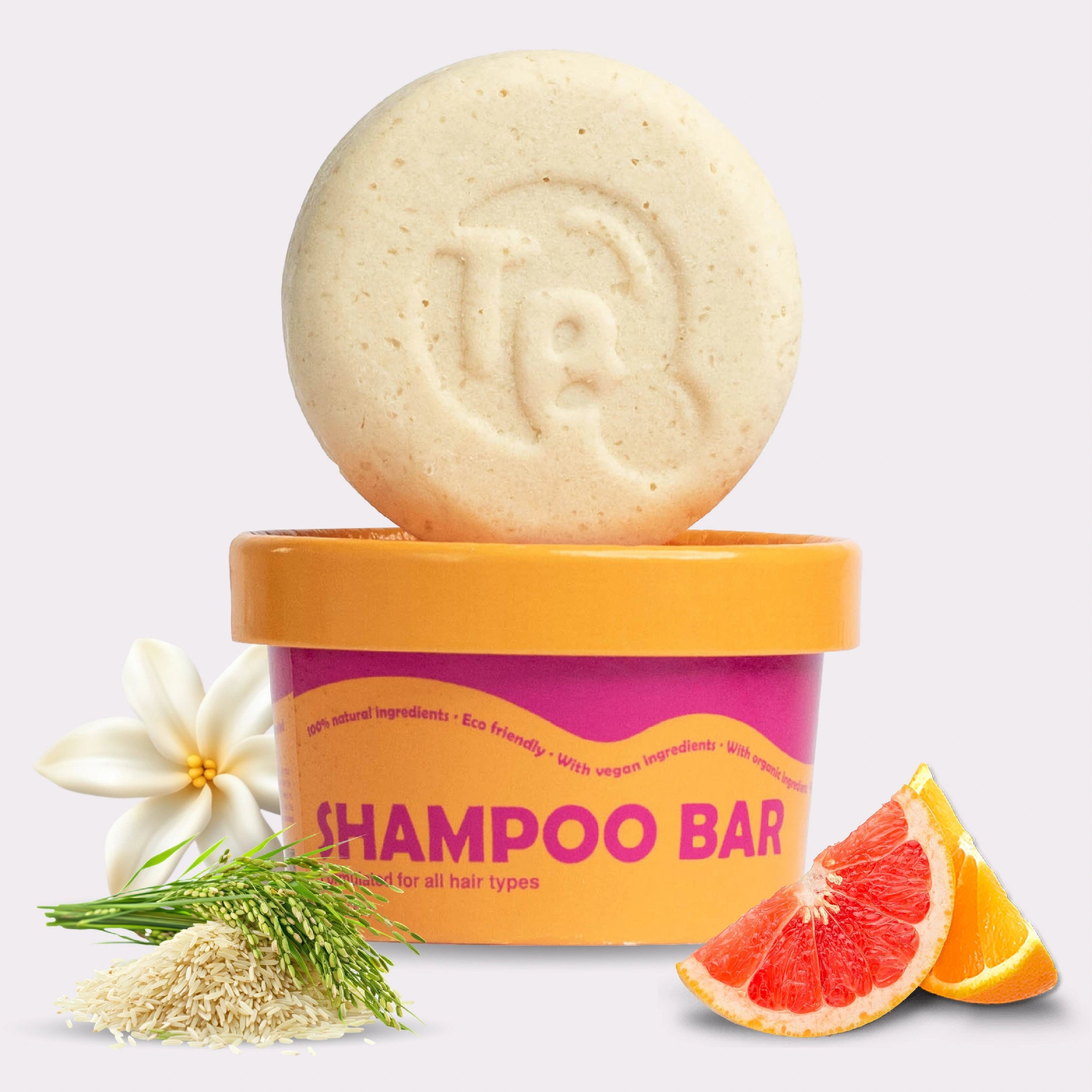
To explore an option that emphasizes frizz control and slip through a conditioning-focused approach, you can review the frizz and shine shampoo bar with Pro-Vitamin B5. This type of positioning is common when the goal is smoother-looking lengths.

Ingredient clusters symbolizing moisture, softness, and scalp care
Common Routine Mistakes
Even high-quality anti-aging hair products can underperform when routines contain predictable mistakes. The issues below are common and often prevent people from seeing improvements.
Over-cleansing or harsh cleansing
Stripping the scalp and lengths can increase dryness and tangling. If your hair feels squeaky after washing, you may be using too much product or washing too frequently. Adjust to a gentler pattern and allow conditioner steps to do their job.
Skipping conditioning for mid-lengths and ends
Anti-aging routines often focus on softness because hair texture changes are highly visible. Without conditioning, hair may feel rough, which can increase breakage and reduce shine.
Applying conditioner to the scalp by default
Some people prefer scalp conditioning, but many hair routines work better when conditioner stays on lengths. If your scalp gets oily quickly, avoid heavy application near the roots.
Not rinsing thoroughly
Buildup can hide shine and make hair feel less smooth. Solid cleansing bars can be efficient, but proper water coverage and rinsing are essential. If your hair feels coated, review rinsing time and product amount.
Using heat and friction without a protective plan
Heat styling and rough towel drying can worsen how dry, aging-like texture appears. Lower the frequency of high heat when possible, detangle carefully, and consider routine habits that reduce breakage.
Expecting immediate transformation
Hair care is cumulative. Hydration support, gentle scalp cleansing, and reduced friction build improvements gradually. Track results across multiple wash cycles rather than judging after one use.
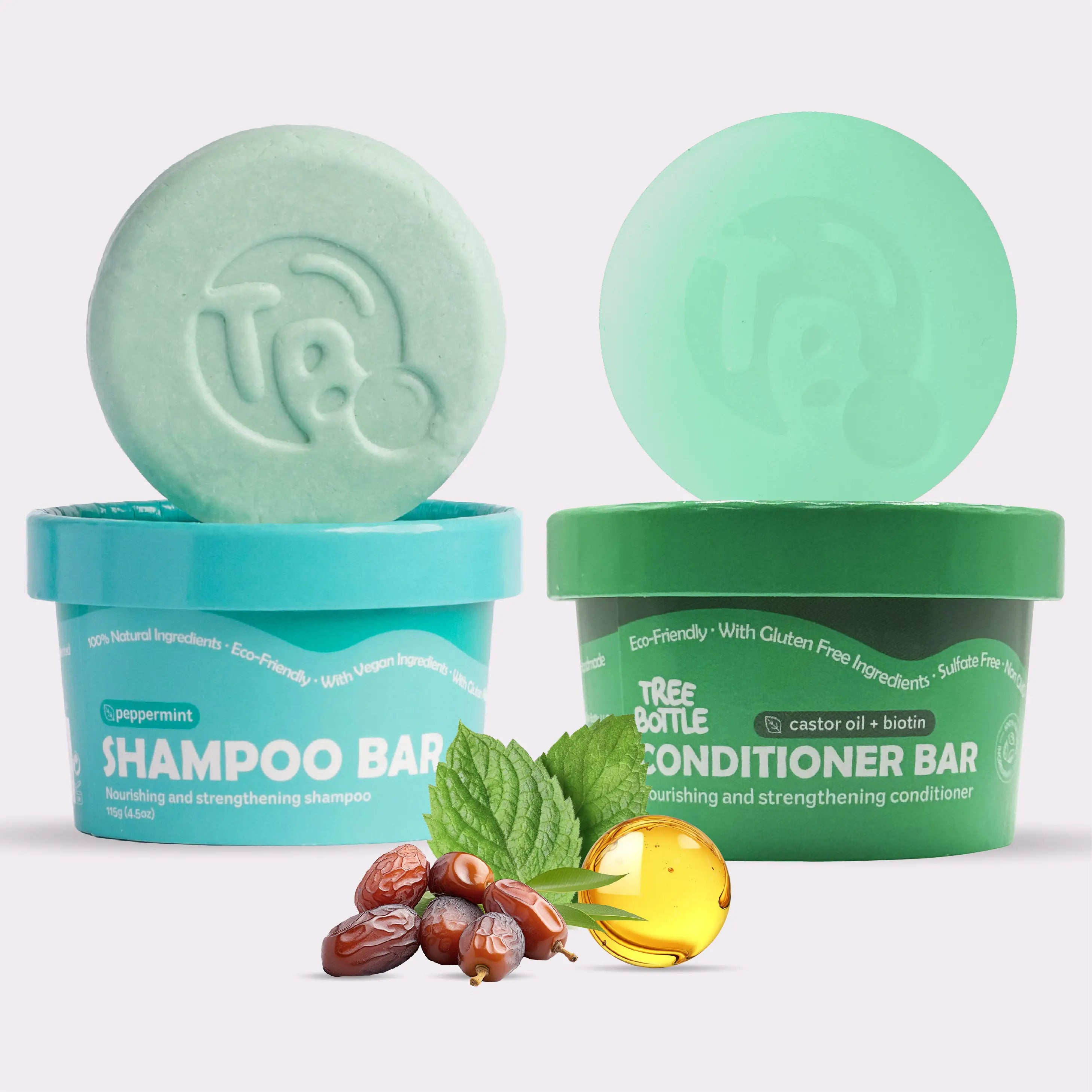
For shoppers who prefer a complementary hair-growth-oriented approach alongside anti-aging goals, it can be helpful to explore a routine that includes both cleansing and conditioning support. For example, the conditioner bar with castor oil and peppermint essential oils reflects a common pairing strategy: conditioning for softness and an ingredient-driven concept for scalp comfort.
Frequently Asked Questions
Are anti-aging hair products safe for daily use?
Many anti-aging hair products are formulated for regular routines, but daily use depends on your scalp sensitivity and hair texture. If your hair feels dry or your scalp becomes reactive, reduce wash frequency or alternate with a gentler cleansing approach.
Will an anti-aging shampoo replace conditioner?
In most cases, shampoo cleans while conditioner restores softness. If you notice tangling, reduced slip, or rough ends, conditioning remains important. Some lightweight conditioners can work well even for finer hair when used sparingly.
What results should I expect from anti-aging hair products?
You can typically expect improved softness, smoother texture, better manageability, and more even shine. Changes in breakage and tangling may also become noticeable when routines reduce friction and dryness.
Summary & Key Takeaways
Anti-aging hair products support a more resilient look by combining gentle cleansing, moisture-centered care, and texture-improving conditioning. The most reliable outcomes come from choosing formulas that fit your hair type, maintaining a consistent routine, and avoiding common issues such as over-cleansing and incomplete rinsing. If you want an organized starting point, select one shampoo and one complementary conditioning step, then adjust based on how your hair feels after several wash cycles. For shoppers who enjoy browsing beauty and care communities, you may also explore HazumiCrafts for product ideas that can complement a routine approach.
Q&A Section
How do I know whether my hair needs hydration or repair-focused care?
If your hair feels dry, tangles easily, or looks dull, hydration-focused care is usually the priority. If you experience frequent snagging, noticeable frizz flare-ups, and rough ends, a conditioning and smoothing strategy often helps first. Consider adjusting cleansing frequency and using conditioner consistently before seeking more intensive changes.
Can scalp dryness make hair look older?
Yes. A dry scalp can lead to itchiness, discomfort, and increased shedding, which can affect hair density and how hair appears over time. Gentle cleansing, supportive conditioning, and careful product amounts can improve scalp comfort and reduce visible irritation-related effects.
What is a practical routine for an anti-aging hair goal?
A practical plan is to cleanse the scalp gently, condition mid-lengths and ends, rinse thoroughly, and minimize friction during drying. Consistency matters, so choose a routine schedule you can maintain. After several wash cycles, refine your product amounts or frequency based on softness, shine, and scalp comfort.
Do anti-aging hair products work for all hair types?
They can, but the formula weight and conditioning level should align with your hair type. Curly and coiled textures often benefit from richer conditioning support, while fine hair may require lighter application. Matching your product choice to texture and sensitivity improves the likelihood of consistent satisfaction.
How can I prevent buildup with solid cleansing bars?
Use an adequate water rinse and ensure that the bar does not leave a film. Clean thoroughly while still keeping the cleanse gentle. If you notice coating, reduce product amount and increase rinse time. A periodic routine reset can also help if your hair becomes weighed down.
Where should I start if I want smoother-looking hair?
Start with a shampoo that cleans comfortably and a conditioner that improves slip and softness. Reduce friction and keep heat styling moderate. When the hair feels smoother and tangles less, “aging” signs such as roughness and uneven shine often appear less prominent.
Is “anti-aging” limited to shampoo?
No. The term often covers a full routine concept including cleansing, conditioning, and protective habits. A consistent approach that supports hydration and manageability typically delivers more visible improvements than relying on a single step.
Do I need to change everything at once?
Not necessarily. You can upgrade one part of the routine at a time, such as swapping the shampoo first and then adding a compatible conditioner. This approach makes it easier to identify what changes improve softness, shine, or scalp comfort.
How can I evaluate whether a product is truly helpful?
Look for objective changes such as reduced tangling, improved shine, and better scalp comfort. If your hair feels heavier than usual or your scalp becomes irritated, adjust the amount or frequency. Evaluating repeated outcomes across several wash cycles is more reliable than judging after one trial.
Can routine habits affect the performance of anti-aging hair products?
Yes. Friction, heat, and over-cleansing can reduce the benefits of hydration-focused formulas. Gentle handling, careful rinsing, and a consistent conditioning step help products perform closer to their intended effect.
What should I do if my hair becomes oily quickly?
If your hair becomes oily quickly, reduce the amount of conditioner and keep it primarily on lengths. You may also cleanse a bit less frequently depending on your scalp comfort. Selecting a formula designed for balanced cleansing can also help.
What if my hair feels dry even after conditioning?
Dryness after conditioning may indicate insufficient rinse, too much cleansing, or conditioning applied in a way that does not reach ends. Review how you cleanse, ensure thorough rinsing, and apply conditioner to the correct sections. Adjusting routine frequency can also help.
Do anti-aging hair products address split ends?
They can help improve appearance by smoothing texture, but split ends typically require trimming for permanent correction. Better hydration and reduced friction can reduce the look of fraying and help limit further breakage.
How long does it take to see visible improvements?
Visible improvements often correlate with consistency and changes in dryness, tangling, and shine. Evaluate over multiple wash cycles, then refine your routine if needed.
What is the best way to combine shampoo and conditioner bars?
Use the shampoo as a scalp-first cleanser, then condition mid-lengths to ends. Rinse thoroughly and ensure the hair is not left with product residue. Keep your technique gentle, especially when detangling after washing.
Should I use additional styling products with anti-aging care?
Optional styling products can complement the routine if they are compatible with your hair type. If you already notice buildup or heaviness, reduce extra layers and prioritize cleansing and conditioning first.
Can I use anti-aging hair products with color-treated hair?
Many shoppers can use anti-aging hair routines with color-treated hair, but it depends on formula compatibility. If you notice dryness, adjust conditioning and reduce harsh cleansing. Prioritize gentle cleansing that supports softness and shine.
What are the most important first changes?
The most impactful changes usually include gentler cleansing, consistent conditioning, and reducing friction. These steps often improve how hair looks immediately while supporting gradual texture refinement over time.
Can a single product solve dullness?
Dullness often reflects dryness, uneven surface texture, or buildup. A shampoo and conditioner routine usually offers more dependable improvement than relying on a single step. If you want a starting point, pair a gentle cleanser with a compatible conditioner.
Is it better to cleanse once or twice per week?
There is no universal schedule. Your scalp comfort, oil production, and styling habits influence frequency. If your scalp feels tight or itchy, cleanse more comfortably within your needs, rather than waiting until discomfort increases.
How do I choose a routine if I have both frizz and dryness?
Prioritize hydration and conditioning support while maintaining gentle cleansing. Use conditioner consistently and reduce friction during drying. Over time, smoother hair surface texture often reduces the visual impact of frizz.
What should I avoid when using anti-aging hair products?
Avoid excessive cleansing, rough drying, and applying heavy conditioner directly to the scalp. Also avoid skipping rinsing, which can lead to buildup and dullness.
About the Author
Tree Bottle
Tree Bottle is a brand focused on thoughtfully formulated hair care built for comfort, softness, and long-term routine consistency. With expertise in ingredient-led cleansing and conditioning, the team helps shoppers choose products that fit real hair needs. Thank you for reading, and may your next wash feel more balanced and supportive.