Updated on: 2026-07-14
Biotin hair products can be a practical part of a wider hair routine focused on strength, thickness, and everyday scalp support. This guide explains what biotin does, how to evaluate ingredient quality, and how to pair biotin with complementary nutrients and gentle cleansing. You will also find common myths explained in clear terms and a set of routine steps you can apply consistently. Use the recommendations section to choose formats, check labels, and set realistic expectations for results.
Introduction
Choosing the right care can feel complex, especially when you are comparing biotin hair products across shampoos, conditioners, and treatment formats. The goal of this article is straightforward: help you understand what biotin-based formulas aim to support, how to select products with balanced ingredients, and how to build a routine that matches your hair type and scalp needs. You will learn how to interpret label language, how to avoid common misunderstandings, and what to do if you do not see quick changes.
When you approach biotin care with reasonable expectations and consistent use, you can better support the look and feel of thicker, stronger hair. This is not only about the ingredient itself; it is also about cleansing quality, conditioning performance, and overall hair-habits that reduce breakage.
Product Spotlight
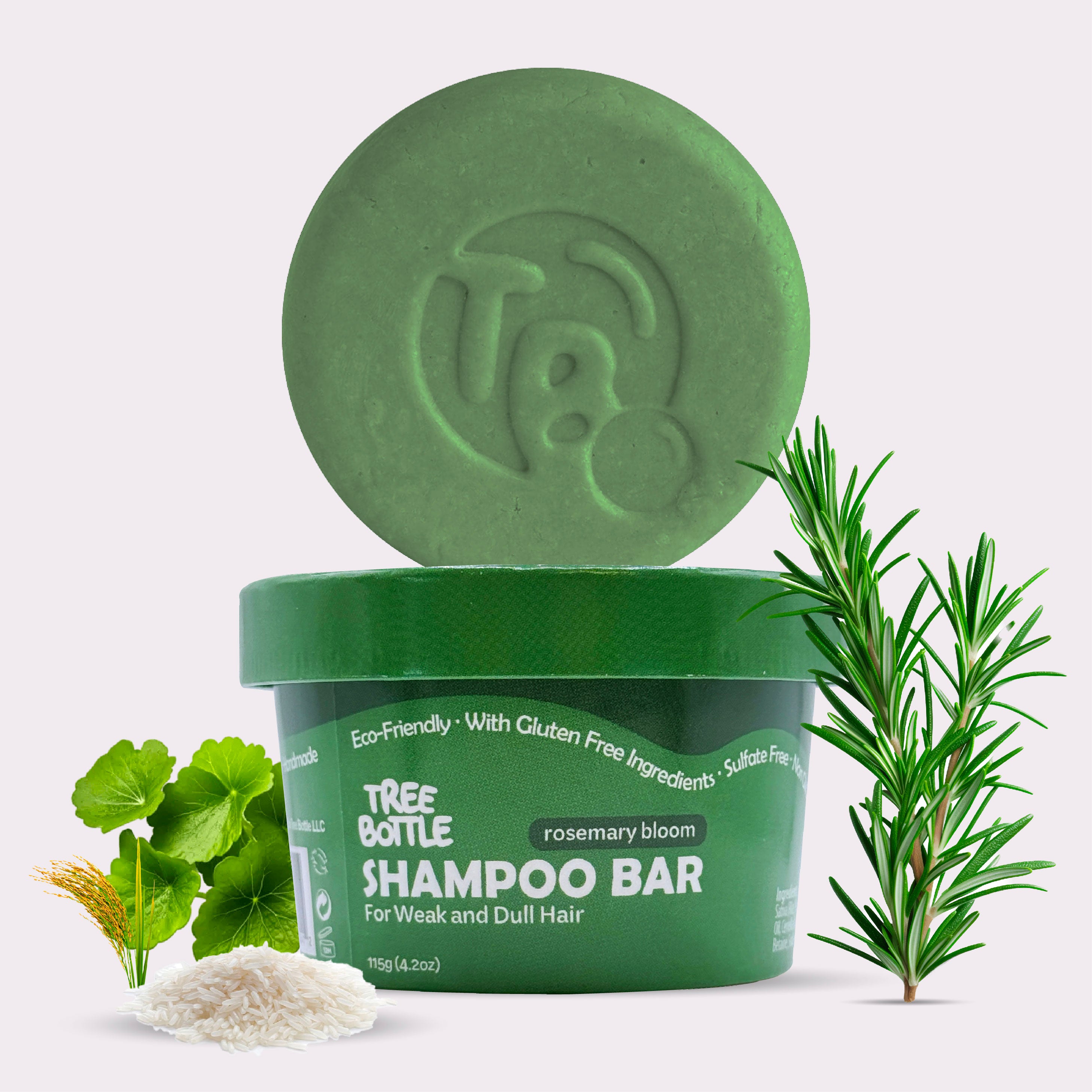
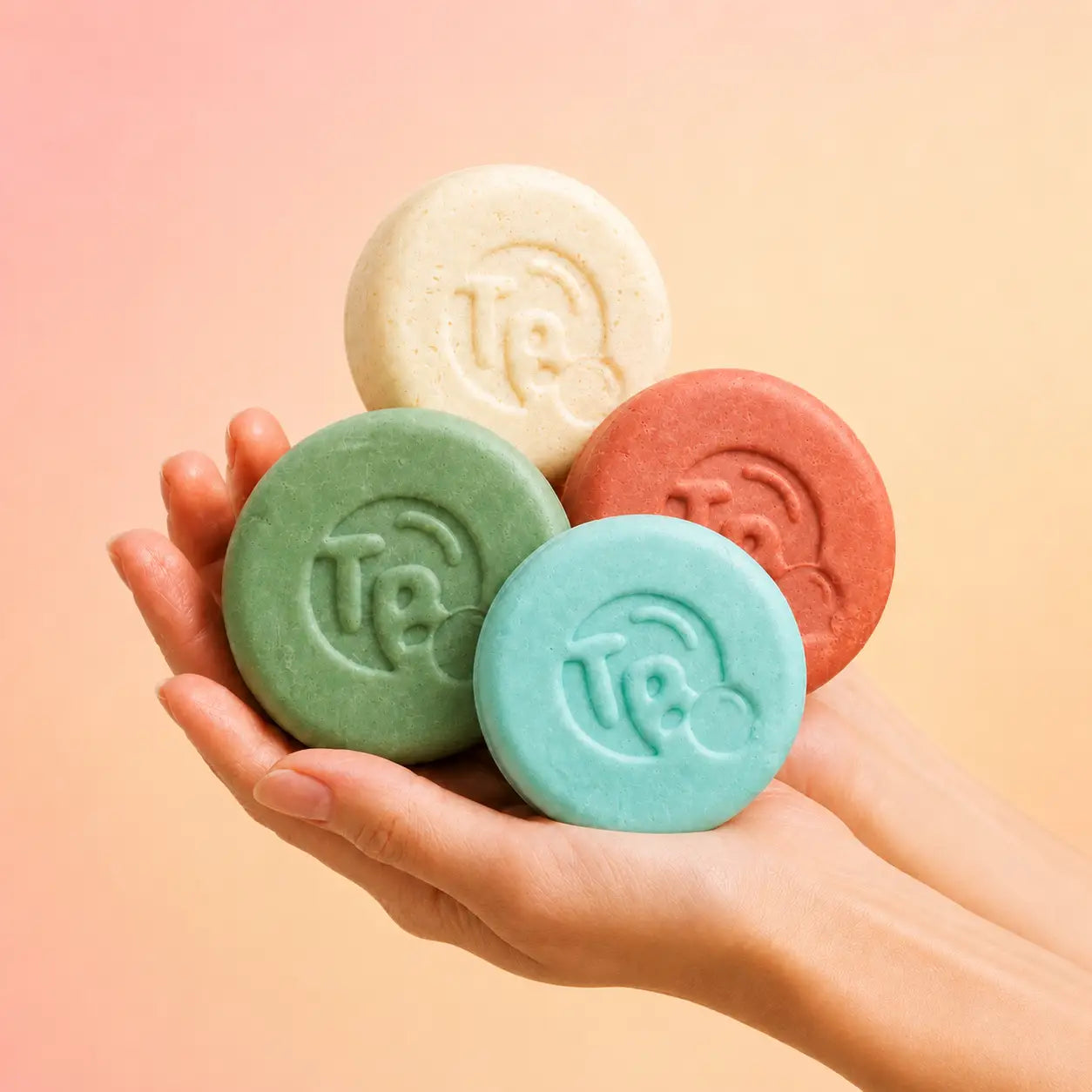
Biotin-based hair care often focuses on improving the appearance of hair fullness while helping reduce the effects of dryness and stress-related shedding. Look for formulas that include biotin alongside moisturizers, strengthening agents, and scalp-friendly surfactants. Many shoppers prefer bar formats because they can simplify storage and encourage portion control in daily use.
- Biotin support: designed to complement routines that aim for stronger-looking strands.
- Conditioning balance: helps hair feel smoother after cleansing.
- Scalp-friendly feel: aims to support comfortable, everyday washing.

Illustration of scalp care and hair strength icons
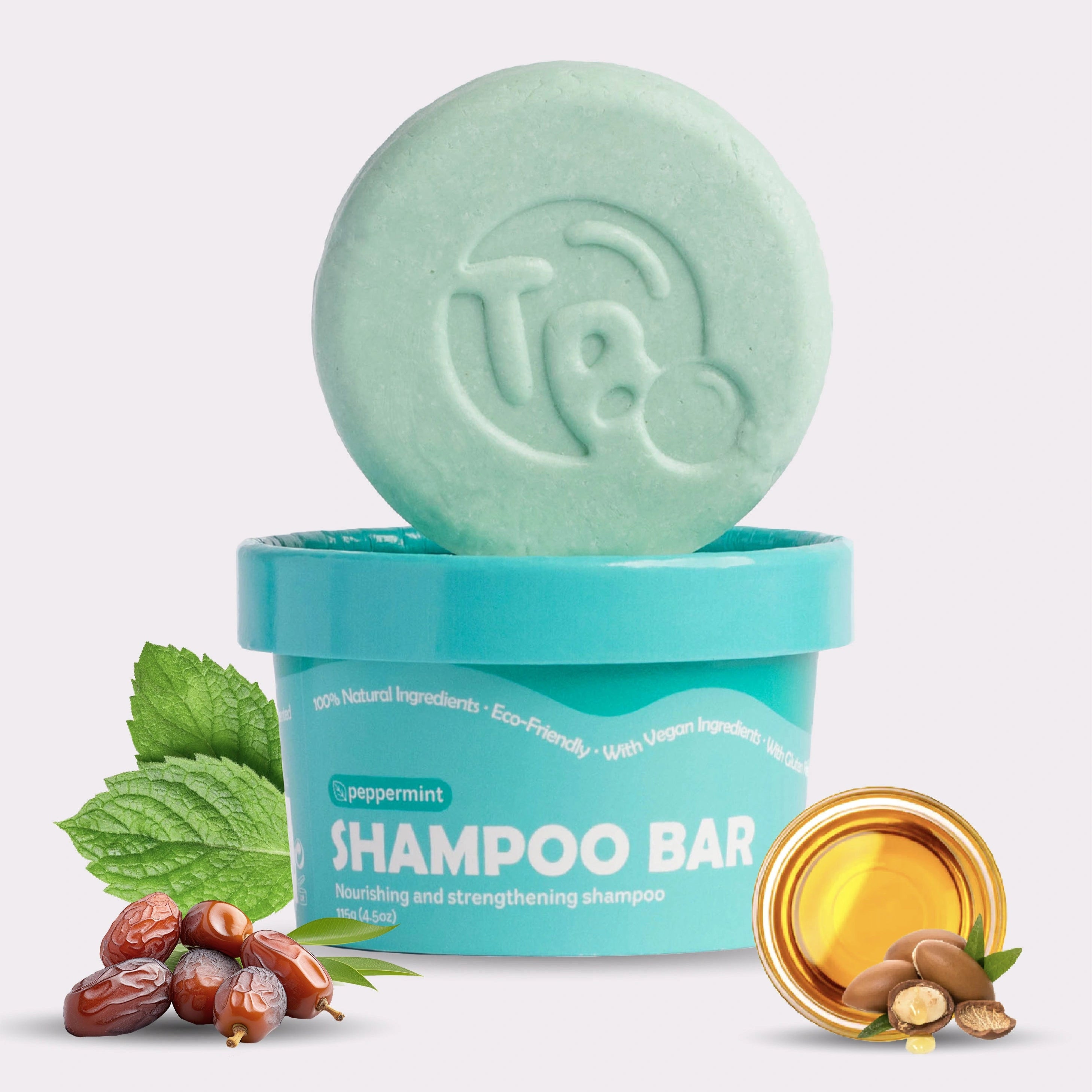
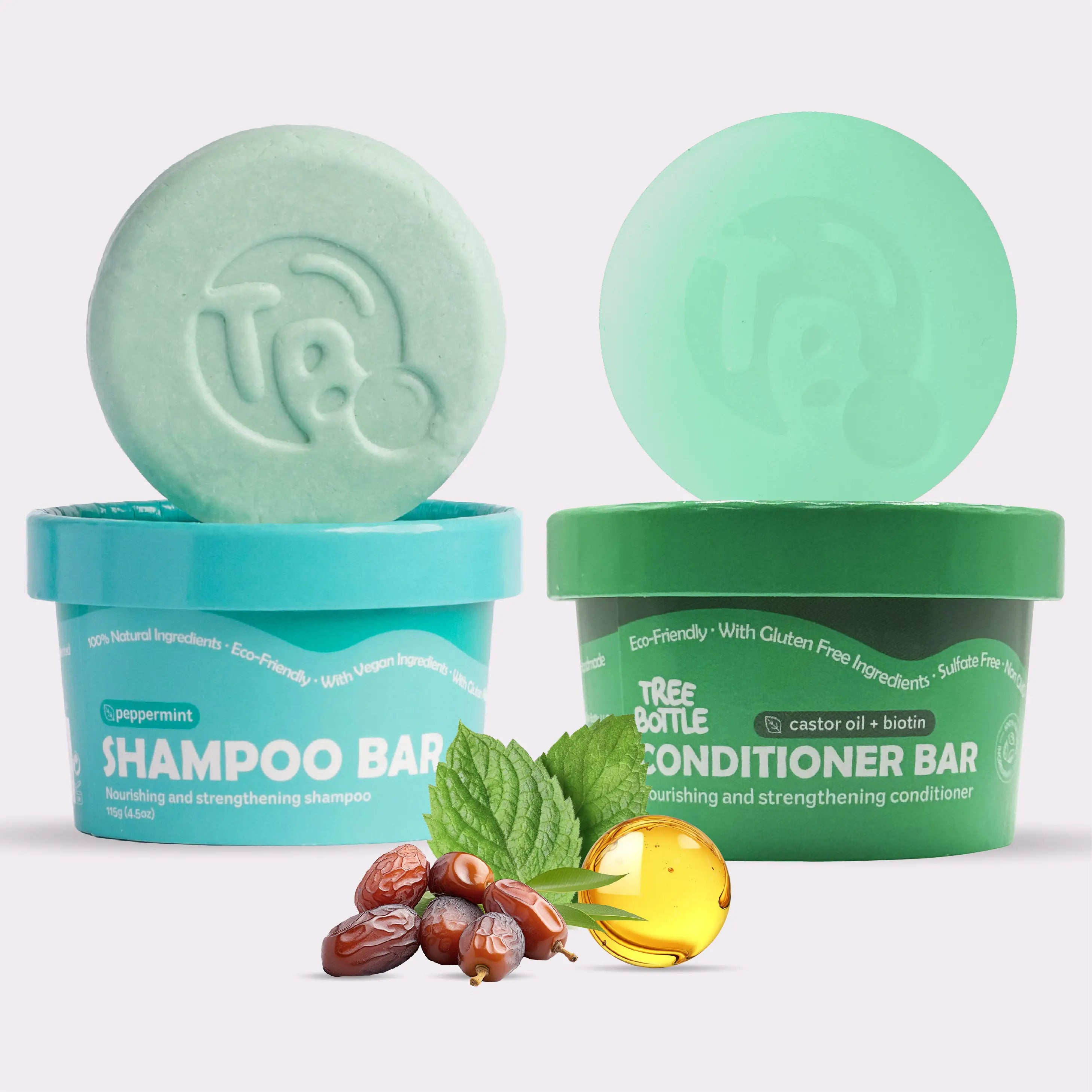
If you want a starting point, consider a biotin-focused shampoo or shampoo-and-conditioner set to keep your routine consistent. Consistency matters because hair care is a system, not a single step. You can also explore options from castor oil biotin shampoo bar to see how a biotin-forward cleansing step can fit into your schedule.
Biotin Hair Products: What They Are and How They Fit
Biotin hair products are formulated with biotin, a vitamin commonly associated with hair, skin, and nail health in general nutrition discussions. In hair care, biotin is typically used as part of a broader formula designed to support the look of stronger, more resilient hair. Rather than acting as a standalone “fix,” biotin care is best understood as a supportive ingredient within an overall hair routine.
In practical terms, biotin hair care products are often used to:
- Support hair appearance related to fullness and manageability.
- Pair with moisturizers and conditioners to reduce dryness-related breakage.
- Help you maintain a consistent cleansing and conditioning rhythm.
It is also useful to recognize that hair health involves multiple layers: scalp comfort, cuticle condition, and the amount of mechanical stress hair experiences. Biotin can be one ingredient in the blend, but your results depend on how the formula cleans, conditions, and protects from routine damage.
Myths vs. Facts
Myth: Biotin products work instantly for everyone
Biotin hair products are not expected to deliver immediate transformation. Hair cycles vary by person, and the visible improvement you notice often depends on consistency, your baseline hair condition, and how your scalp responds to cleansing.
Myth: More biotin automatically means better results
Higher biotin concentration alone does not guarantee better performance. What matters is the full formula: the balance of cleansing agents, conditioning ingredients, and the ability to leave hair feeling protected rather than stripped.
Myth: Only biotin matters for hair strength
Hair strength is influenced by hydration, protein balance, gentle handling, and reduced breakage. Biotin can complement these needs, but it is not the only factor in a strong hair routine.
Ingredient Guidance for Stronger Choices
To choose biotin hair products responsibly, focus on ingredient structure and supporting actives. A strong label does not only highlight biotin; it also shows thoughtful formulation choices for your hair type. Use the list below as an evaluation framework.
1) Prioritize conditioning support
If your hair feels dry after washing, your cleanse may be too harsh for your routine. Search for conditioning components that help hair detangle and feel smoother. This reduces friction when styling and brushing.
2) Look for complementary nutrients and plant-derived support
Many biotin-focused formulas also include other ingredients that aim to improve hair feel and scalp comfort. This can include extracts, essential-oil blends, or supportive vitamins. The goal is to build a formula that works daily without leaving hair overly brittle.
3) Consider your scalp needs
Oily scalps may require a cleanser that feels thorough, while dry scalps may need a gentler washing experience. If you often experience itchiness or tightness, your product choice should prioritize scalp comfort, not just scent or marketing claims.
4) Match format to your routine
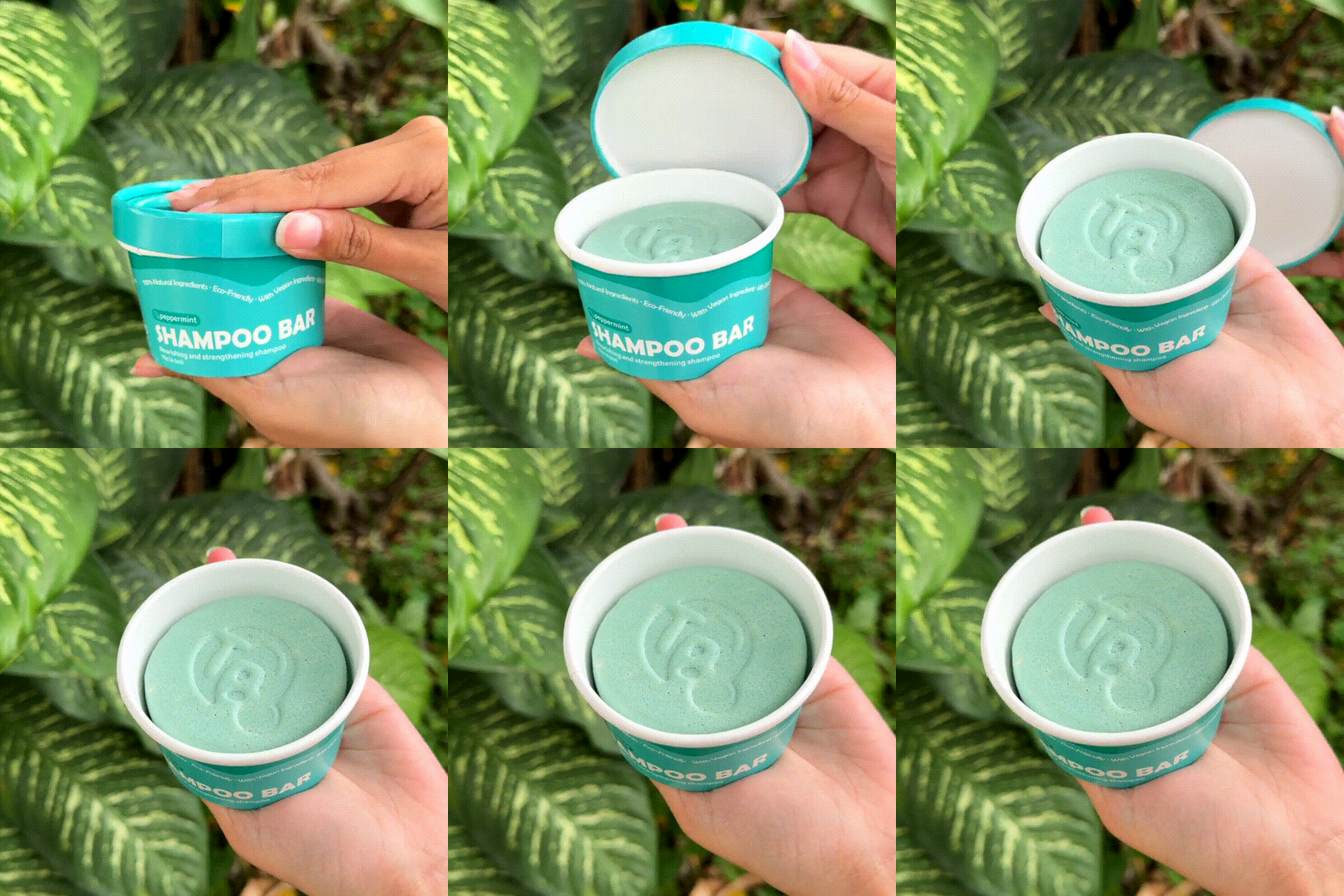
Some people prefer liquid because it is familiar. Others prefer bar products for portion control and ease of travel. The best format is the one you use consistently and rinse thoroughly.
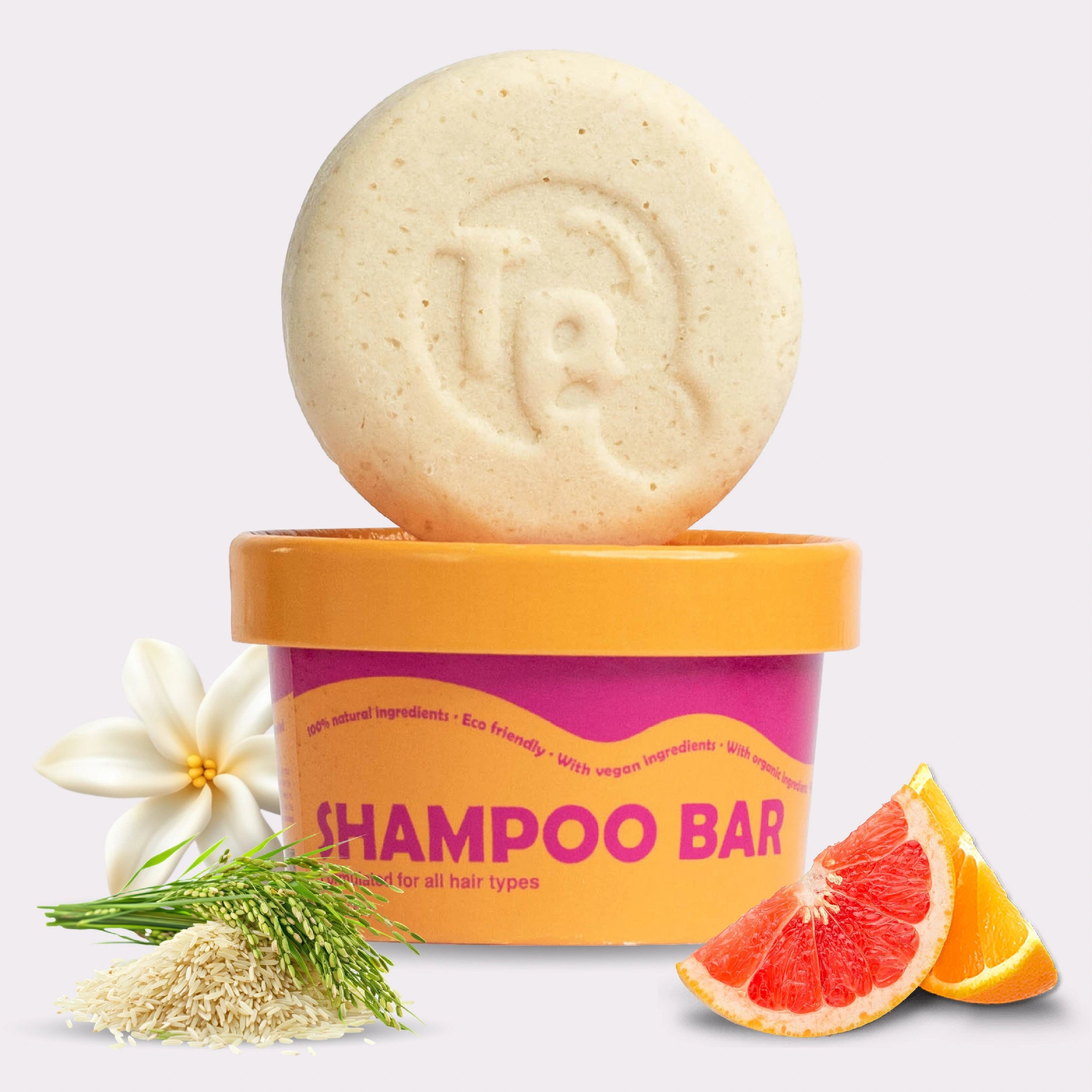
If you want additional inspiration for complementary ingredient profiles, you can compare other formulation approaches from pro-vitamin B5 citrus shampoo bar to see how different “strength and shine” strategies are built.

Checklist icons for scalp comfort, conditioning, and rinse
A Practical Routine for Using Biotin Products
Biotin hair products work best when used as part of a consistent workflow that respects scalp and strand behavior. The following routine is designed for everyday practicality, with adjustments based on your hair texture and wash frequency.
Step 1: Cleanse with intention
Use lukewarm water to avoid harsh temperature stress. Massage gently into the scalp for a full but controlled duration. This supports an even cleanse without over-scrubbing. Rinse thoroughly until hair feels light and free of residue.
Step 2: Condition for slip and protection
Apply conditioner primarily to lengths and ends. Detangle carefully if needed. Conditioning provides a protective layer that can reduce friction and help hair feel more manageable.
Step 3: Reduce mechanical stress
Use a microfiber towel or gentle squeeze-dry technique. Limit aggressive brushing on wet hair. Choose a comb with appropriate spacing to reduce breakage.
Step 4: Add support beyond biotin
Biotin products can be strengthened by smart habits such as protective styling, heat moderation, and adequate hydration. If your diet is already balanced, the routine becomes even more important for retaining hair quality.
Step 5: Track realistic changes
Instead of focusing on a single day outcome, observe hair feel, manageability, and shedding patterns over multiple weeks. Keep notes about how your scalp feels after washing and how hair behaves during brushing.
For readers who prefer a coordinated approach, consider a biotin shampoo-and-conditioner set so your cleanse and conditioning steps are designed to work together.
Frequently Asked Questions
How often should I use biotin hair products?
For most routines, using them every wash session is a common starting point. If your scalp becomes dry or sensitive, reduce frequency or alternate with a gentler option. Your routine should match your scalp comfort and hair texture.
Are biotin hair products suitable for all hair types?
Many biotin hair products can suit a range of hair textures because they are often designed to improve softness and manageability. However, the best fit depends on whether the formula feels balanced for your scalp and whether your hair needs more hydration or more lightness.
Can I use biotin products with other hair treatments?
Yes. You can pair biotin hair products with other non-conflicting care such as leave-in conditioners or scalp-focused treatments. The key is to avoid overloading hair with too many heavy layers that reduce volume or cause residue.
Final Recommendations
To make biotin hair products part of an effective hair routine, prioritize formula balance and consistent usage. Choose products that cleanse without stripping, condition to reduce friction, and suit your scalp comfort. Avoid relying on one step alone; hair quality improves when cleansing, conditioning, handling, and styling decisions work together.
- Select the right format: choose shampoo, conditioner, or a matched set based on how consistently you will use it.
- Check ingredient harmony: look for conditioning support and scalp-friendly cleansing.
- Use gentle technique: massage lightly, rinse thoroughly, and handle wet hair with care.
- Monitor changes over time: look for improvements in manageability and reduced breakage rather than instant results.
If you want a simple way to begin, start with a biotin-focused cleanser and condition regularly. If you prefer a more complete routine, consider a set designed to align your wash and conditioning needs.
For a broader range of hair care options and routines, you may also explore Nourabeauty to compare different approaches to everyday hair support.
Q&A Section
What should I look for on a label besides biotin?
Look for ingredients that improve conditioning, detangling, and scalp comfort. A formula that leaves hair feeling soft after rinsing often reduces friction and breakage. The best product is the one that fits your hair texture and makes your routine easier to maintain.
Why do I not see results even after using biotin products?
Hair care outcomes depend on multiple variables, including scalp sensitivity, cleansing technique, breakage levels, and routine consistency. If results are limited, review water temperature, rinsing thoroughness, and whether you are using enough conditioning to reduce friction. Consider adjusting frequency if your scalp feels dry or irritated.
Can biotin products help with hair thinning?
Biotin hair products are commonly used as a supportive measure for the look of fuller hair. However, hair thinning has many causes, and products are not a universal solution. If thinning is significant or sudden, it is prudent to consult a qualified healthcare professional for personalized guidance.
Are bar biotin hair products effective compared with liquid formulas?
Effectiveness depends on the formulation and how the product is used, not the physical format alone. Bar cleansers and liquid shampoos can both perform well if they rinse cleanly, condition appropriately, and match your scalp needs. Choose a format that you can use consistently.
How can I tell if my biotin product is compatible with my scalp?
Compatibility shows up in scalp comfort and hair behavior. If your scalp feels tight, itchy, or overly dry after washing, consider changing cleansing frequency or switching to a gentler option. If hair feels coated or heavy, you may need a lighter conditioning routine or a more thorough rinse.
Do biotin hair products affect hair color or extensions?
Many biotin-focused cleansers and conditioners can be used with color-treated hair and extensions, but compatibility depends on the exact formula. If you use extensions, focus on even rinsing and careful detangling to prevent friction and tangling.
About the Author
In every article, Tree Bottle supports readers with practical, evidence-informed guidance on ingredient quality, routine design, and hair care consistency. Tree Bottle ’s topic expertise centers on building approachable strategies that help customers select products that match their hair and scalp needs. The team values clarity over hype and encourages mindful use of hair care for long-term results. Thank you for reading and taking a careful, informed approach to biotin hair products.
Disclaimer: This article is for general informational purposes and does not provide medical advice. Individual results vary based on hair condition, routine consistency, and personal factors. If you experience sudden or severe hair changes, consider speaking with a qualified healthcare professional for individualized guidance.