
Updated on: 2026-05-13
Eco-friendly shampoo bars are a practical alternative to liquid shampoo. They reduce plastic waste while still supporting effective cleansing routines. Many formulas use plant-derived ingredients and come with minimal packaging. With the right technique, shampoo bars can feel convenient, travel-friendly, and consistent. This guide explains key benefits, how to use them well, and how to choose a bar for your hair needs.
1. Benefits & Reasons
2. How to Choose Eco-Friendly Shampoo Bars
3. How to Use a Shampoo Bar for Best Results
4. What to Expect During the Transition
5. FAQ
6. Final Thoughts & Recommendations
Eco-Friendly Shampoo Bars: Benefits & Reasons
Eco-friendly shampoo bars are designed to cleanse hair without the typical reliance on plastic bottles. For shoppers who value waste reduction, they offer a clear advantage: a solid format that usually requires less packaging material. This shift can help align everyday hair care with more responsible consumption.
Beyond packaging, many brands focus on cleaner formulation choices. Shampoo bars are often crafted with plant-based surfactants and conditioning components. When you select a formula that matches your hair type, you can achieve a balanced clean that does not feel overly heavy or overly stripping.
Another benefit is convenience. A shampoo bar typically travels well and takes up less space than a full-size bottle. It is also easier to portion, since you use the bar itself rather than measuring liquid. For many customers, this creates a smoother routine at home and on the go.

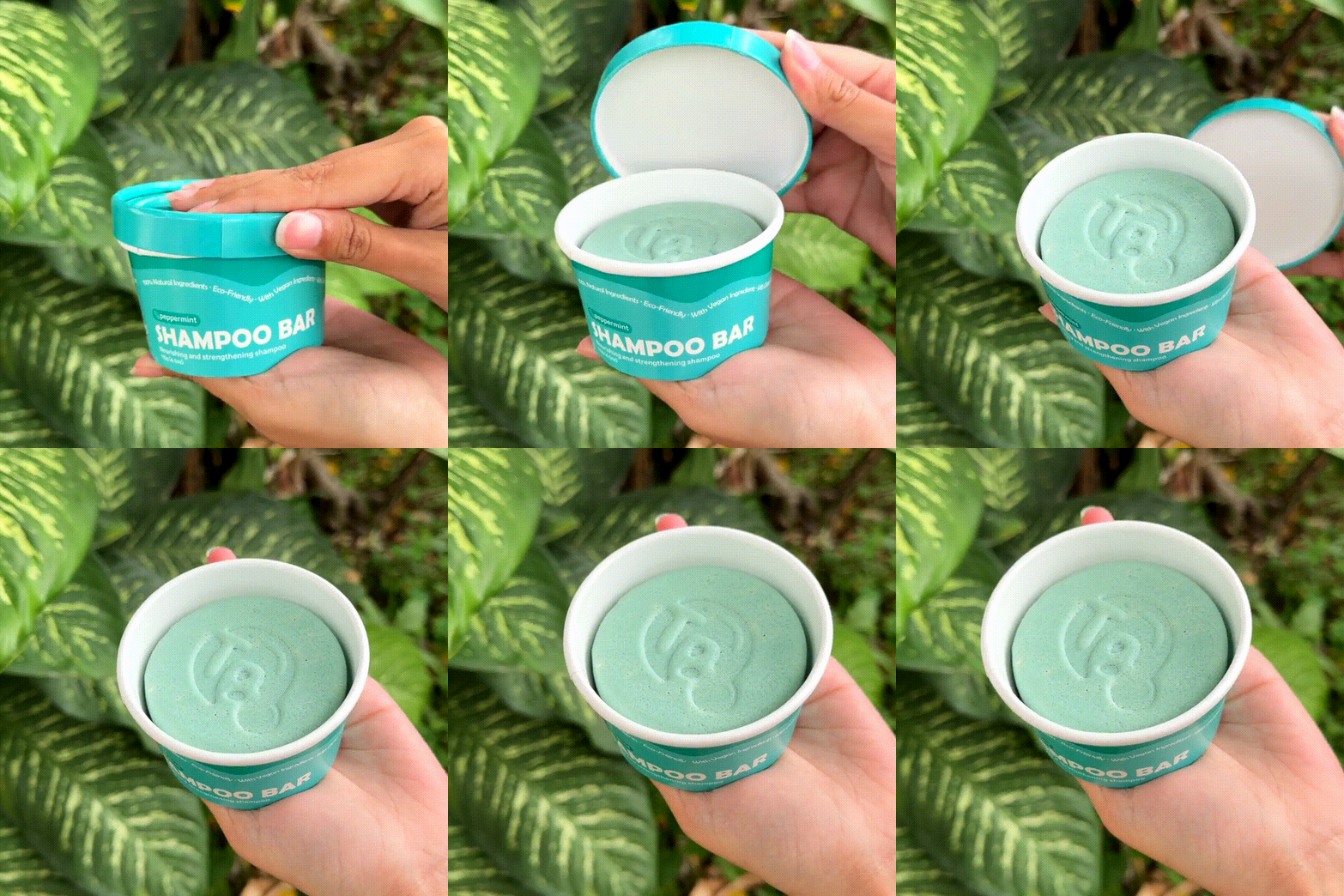
Minimal packaging icons and bar-to-bottle comparison
Eco-friendly shampoo bars can also support a more thoughtful hair care approach. Solid shampoo encourages you to pay attention to how much product you use and how thoroughly you rinse. Over time, this can lead to more consistent results and fewer “trial and error” moments.
How to Choose Eco-Friendly Shampoo Bars
The best eco-friendly shampoo bars start with ingredient compatibility. Hair and scalp needs vary widely, so selection should be based on your current routine and goals. Consider your scalp comfort, how quickly your hair becomes oily, and whether you experience dryness or frizz.
First, evaluate your hair type. If you want added volume, look for bars described as volumizing or lightweight. If you are targeting smoothness, search for formulas that emphasize frizz control and shine. For hair that feels dry or reactive, you may prefer gentle cleansing with conditioning support.
Second, review the ingredient highlights and choose one aligned with your priorities. Many customers gravitate toward bars that feature nourishing botanicals, plant oils, and moisturizers. For example, castor oil-based options are frequently chosen for hair growth routines, while aloe vera and oat ingredients are often selected for gentler scalp care.
Third, confirm that the bar suits your frequency of washing. Some scalps prefer daily cleansing, while others benefit from fewer washes. If you wash often, a gentle formula can help reduce the feeling of tightness or residue. If you wash less frequently, you may want a bar that rinses clean and supports thorough scalp cleansing.
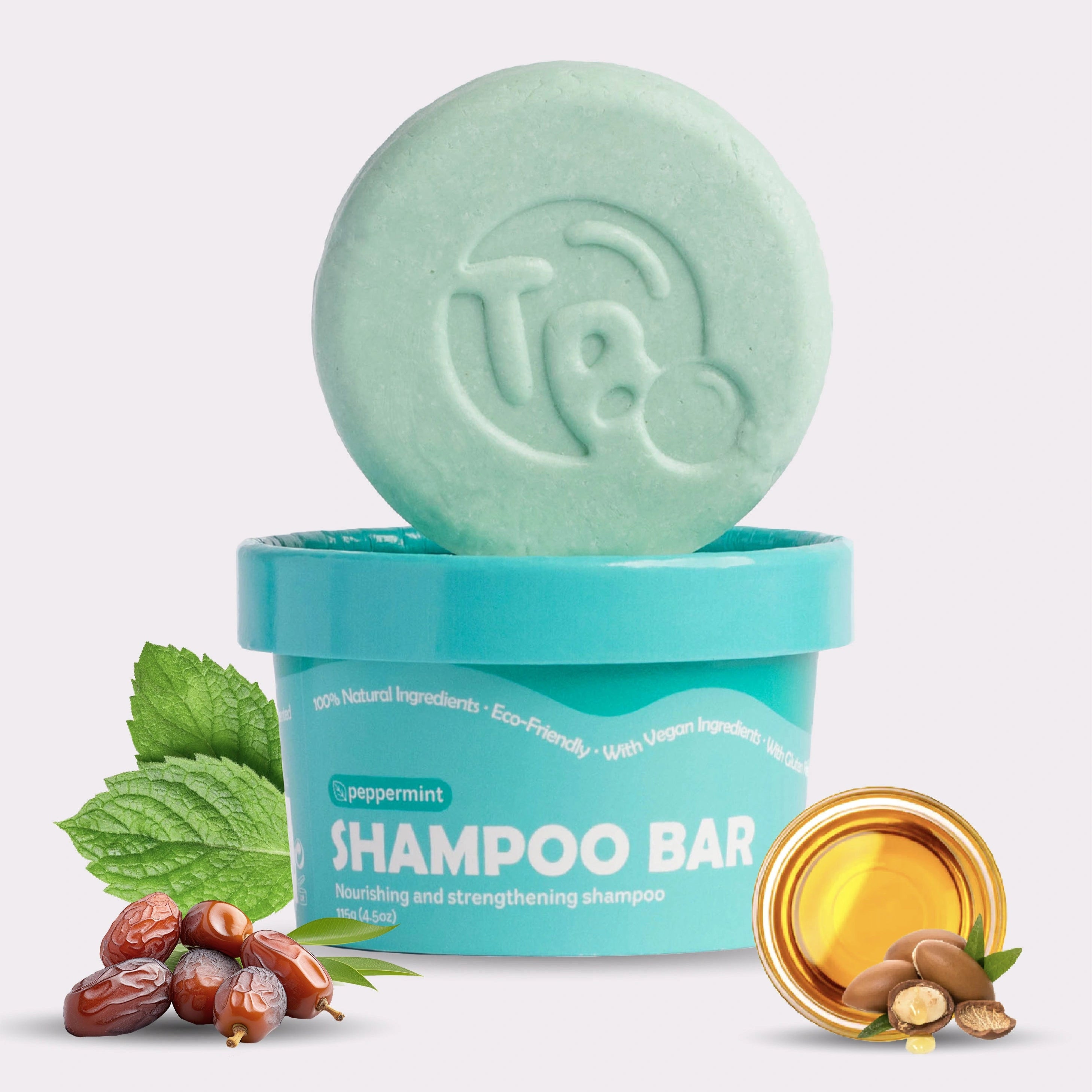
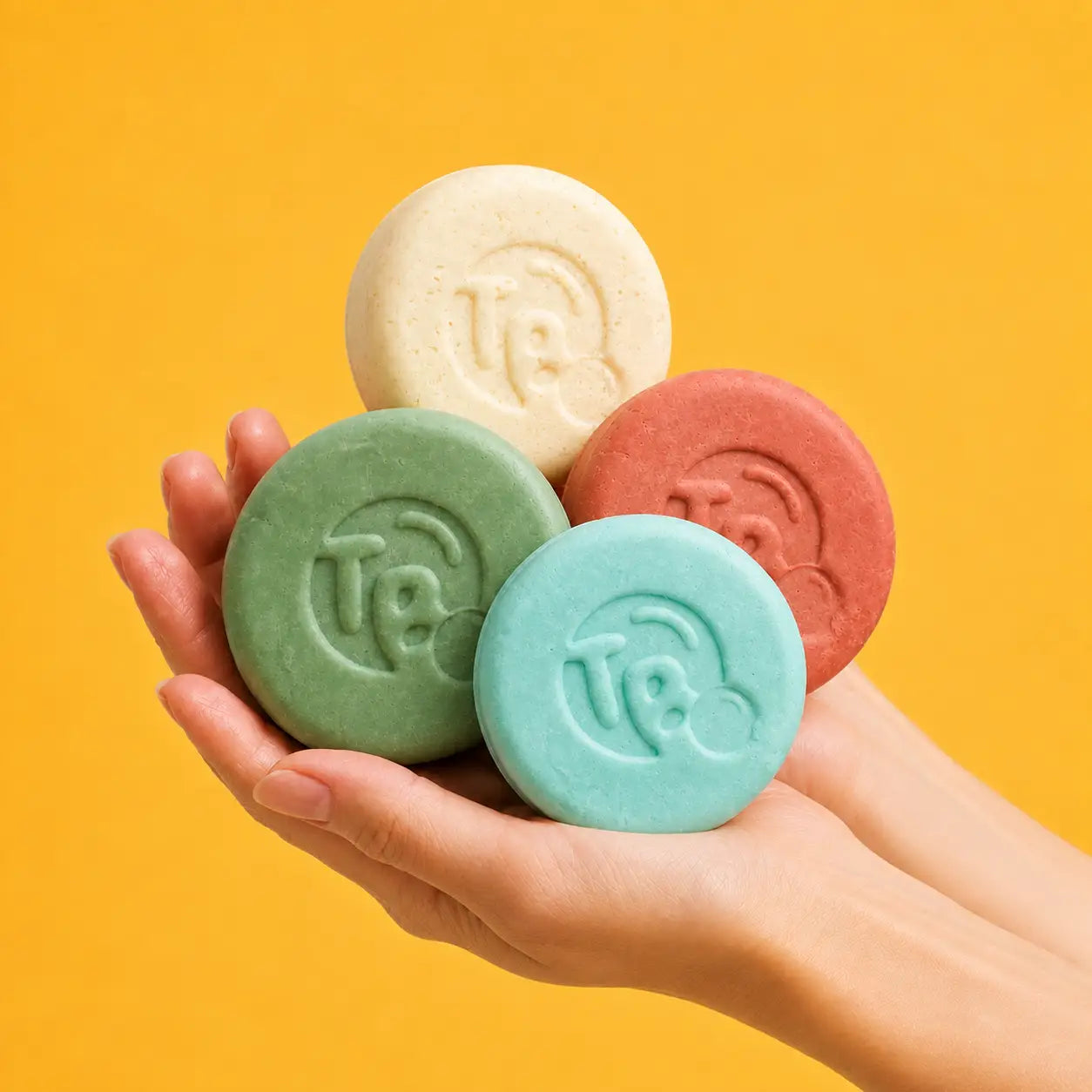
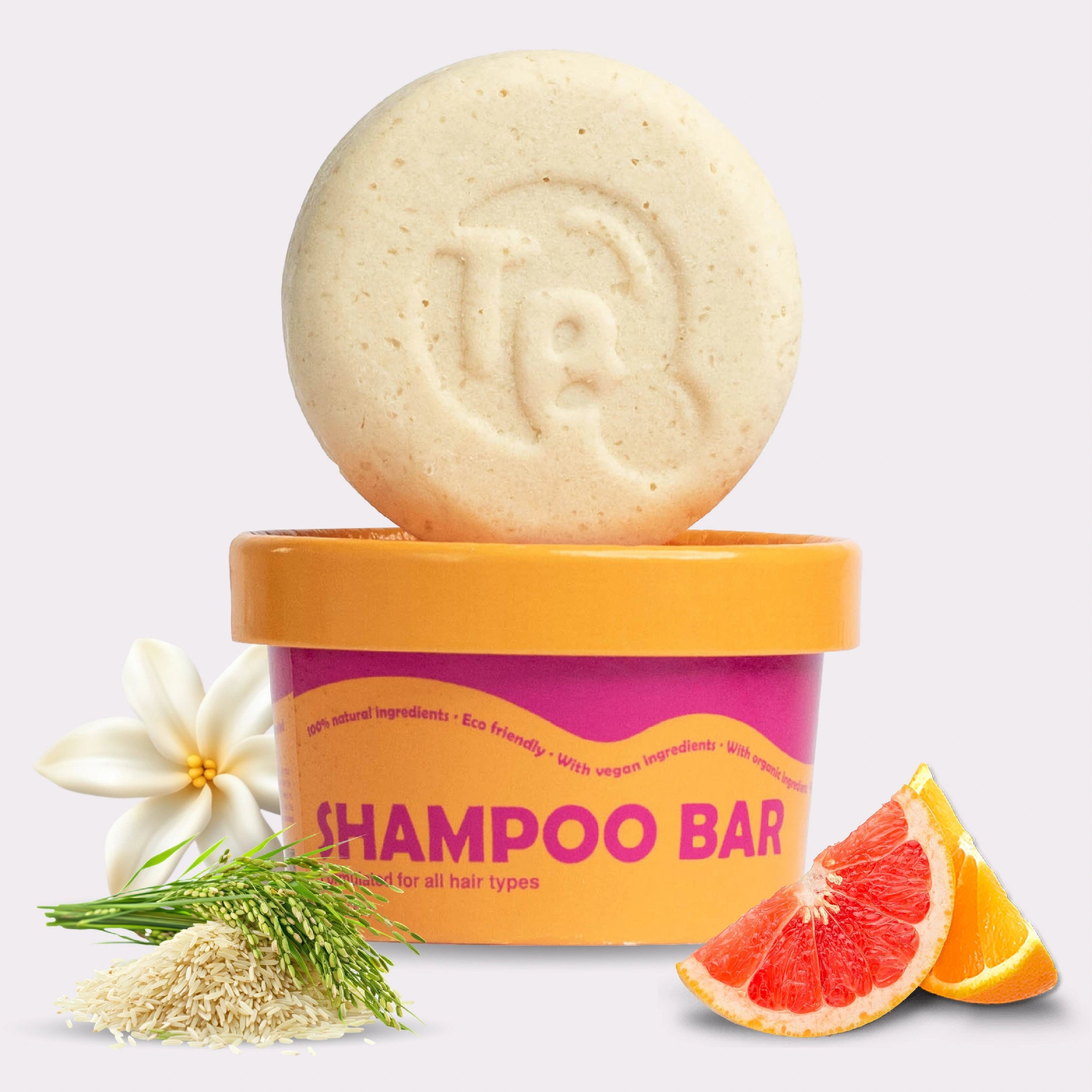
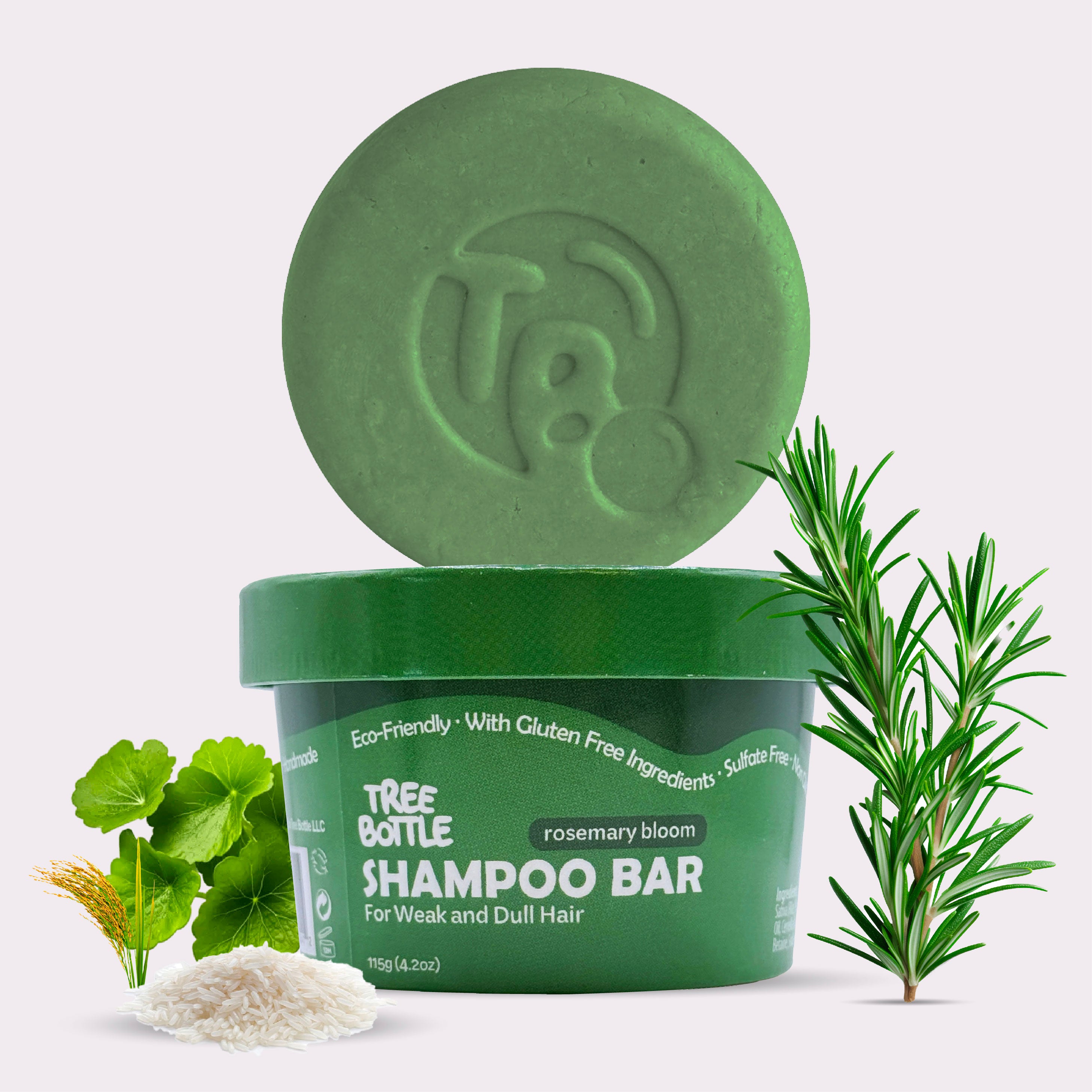
To make selection easier, you can match your needs to established product lines. For hair growth routines, consider the castor oil biotin shampoo bar. For volume and fuller-feeling strands, the rice water rosemary shampoo bar is designed with that goal. For frizz reduction and a more polished finish, the pro-vitamin B5 citrus shampoo bar can fit well.
If you focus on anti-aging care, consider the hyaluronic acid tomato extract shampoo bar as part of your routine. Your best choice is the bar that supports scalp comfort while delivering the texture and finish you want.
How to Use a Shampoo Bar for Best Results
Using eco-friendly shampoo bars effectively is mainly about technique. Solid shampoo does not work exactly like liquid shampoo, so small adjustments matter. Begin by wetting your hair thoroughly with warm water. Wetting fully helps the bar create a consistent lather and reduces drag while cleansing.
Next, either rub the bar directly onto your scalp or rub the bar between your hands to create foam, then apply the foam to your scalp. Many people prefer the direct method for quick lather, while others prefer hand-foaming for controlled application. Choose the method that feels comfortable and allows you to cover the scalp evenly.
Massage the scalp with gentle circular movements. Spend a little extra time on the roots, since most buildup collects near the scalp. Keep the cleansing time moderate. Over-cleansing can contribute to dryness for some hair types, especially when paired with hard water.
Rinse thoroughly. Residue is usually the result of incomplete rinsing or insufficient water coverage. If your hair feels coated after the first attempts, improve rinsing rather than adding more product. Consistency and patience support a smoother transition.
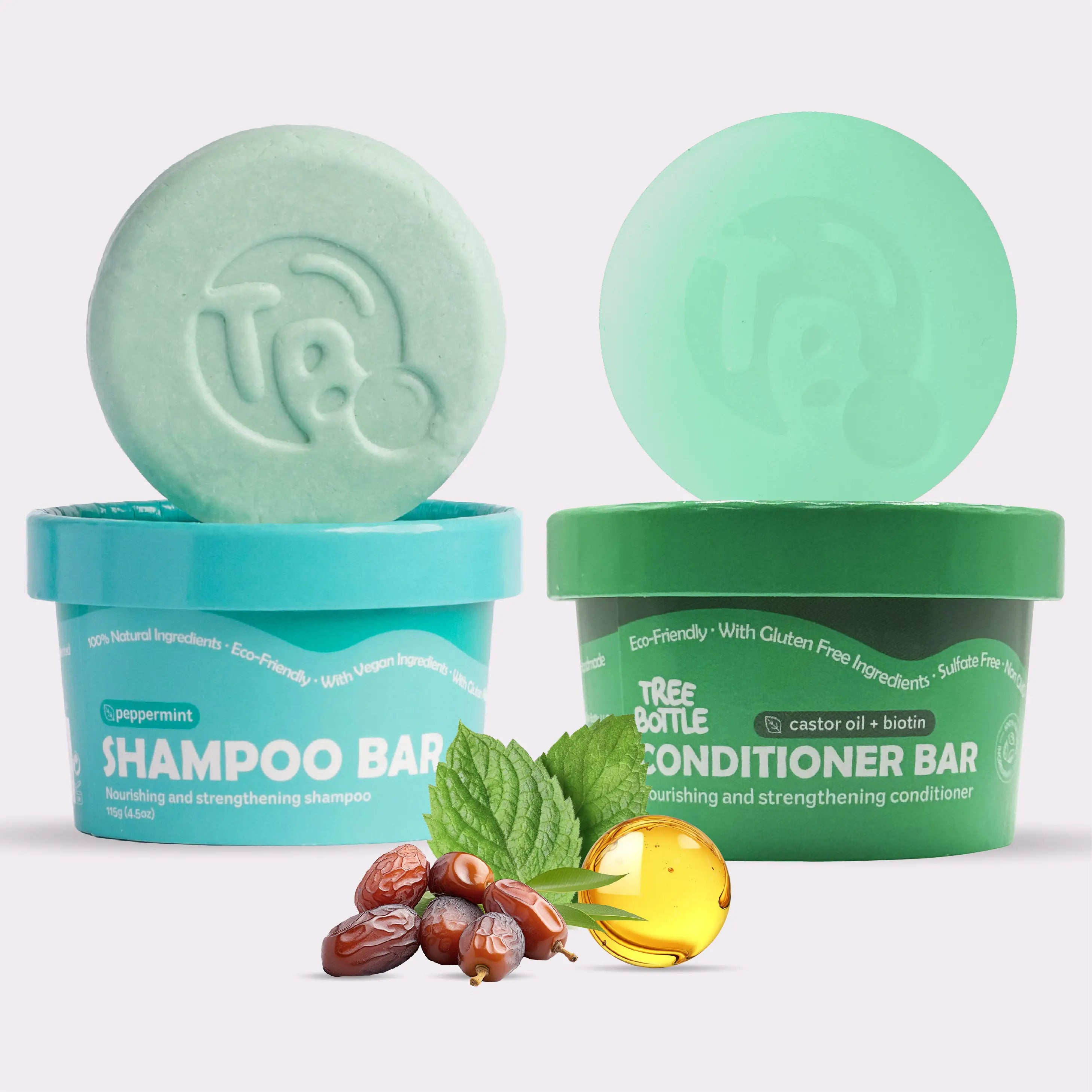
After washing, consider pairing your shampoo bar with a matching conditioner routine. For example, if you want a complementary care step, you can explore a conditioner bar such as the castor oil biotin conditioner bar. Conditioning can support softness and detangling, which helps you evaluate results more accurately.

Steps diagram: wet, lather, massage, rinse
What to Expect During the Transition
Hair and scalp often require a brief adjustment period when switching from liquid shampoo to eco-friendly shampoo bars. The change is usually not about effectiveness alone, but about how the product behaves with your water and your hair porosity.
During the first few washes, you may notice differences in lather and feel. Foam may build faster in some areas and slower in others. This is normal. Focus on scalp massage and complete rinsing. If your hair feels less slippery than expected, conditioning support can improve manageability.
Some customers also experience slight dryness at first. This can happen when the routine changes too quickly or when the bar is overused. Start with a smaller amount than you expect. You can always increase if needed after observing how your scalp responds over several washes.
If you have used heavy oils or styling products, you may find that buildup clears more gradually. Shampoo bars can still remove buildup effectively, but the first sessions can reveal how much residue was previously left behind by older products. Use thorough rinsing and, if appropriate for your routine, consider periodic clarifying as needed.
For best results, store the bar correctly. After use, allow it to drain and dry between showers. Many users rely on a well-ventilated soap holder to reduce softening. A dry bar typically lathers more consistently, which supports a stable cleansing experience.
Finally, remember that eco-friendly shampoo bars are not one-size-fits-all. Hair texture, scalp sensitivity, and climate all influence outcomes. Choosing a bar aligned with your goals and adjusting technique usually leads to more consistent satisfaction.
FAQ
Are eco-friendly shampoo bars suitable for all hair types?
Many eco-friendly shampoo bars can work across hair types, but selection matters. Choose a formula that aligns with your scalp comfort and your desired finish, such as volume, frizz control, or gentle cleansing. If your scalp is sensitive, prioritize gentle, conditioning-support ingredients and use a consistent technique for several washes.
How long does it take to see results after switching?
Most users notice changes in hair feel and manageability within a few wash cycles. Scalp adjustment and residue clearing can vary based on water hardness and previous product buildup. Consistent rinsing and appropriate product amount are key. If dryness or coating occurs, adjust technique before switching bars.
Do shampoo bars work for travel and different wash schedules?
Yes. Shampoo bars are compact and typically easier to pack than liquid bottles. They also support flexible wash routines because you can use only what you need. To maintain performance, store the bar so it dries properly after each use, especially in humid or compact travel conditions.
Final Thoughts & Recommendations
Eco-friendly shampoo bars offer a clear pathway to more responsible hair care, combining reduced packaging with formulas that can support effective cleansing. When you choose the right bar for your hair goals and use consistent technique, you can achieve a balanced clean and a manageable feel.
If you want to build your routine with confidence, start by selecting a shampoo bar that matches your priority. Then support it with a compatible conditioning step when needed. For many customers, exploring a few targeted options is a practical way to find the best fit for scalp comfort and hair texture.
To explore curated options for different hair needs, visit Tree Bottle and compare shampoo bars based on your goals. Choose what supports your routine today and review the outcome over the next few washes.
About the Author
Tree Bottle is a brand focused on thoughtful hair and body care. The team emphasizes ingredient transparency, responsible sourcing, and routines designed for everyday use. Its expertise covers solid hair care systems, scalp-friendly cleansing, and practical guidance for selecting the right bar for each hair goal. Thank you for reading, and may your next wash feel more intentional and effective.