Updated on: 2026-07-21
Frizz is rarely caused by one single factor. It usually results from hair texture, moisture imbalance, and friction during everyday routines. The right selection of frizz control hair products can help smooth the cuticle, reduce static, and improve surface feel. This guide explains what to look for, how to use products effectively, and how to build a routine that supports a calmer, more polished appearance.
- 1. What Causes Frizz
- 2. What Frizz Control Hair Products Actually Do
- 3. Personal Experience: When the Routine Finally Worked
- 4. Key Advantages of Targeted Frizz Control
- 5. Quick Tips for Smoother Hair Without Overdoing It
- 6. How to Choose the Right Formulas for Your Hair
- 7. Application Methods That Improve Results
- 8. Myth vs. Reality: Common Frizz Misconceptions
- 9. Summary and Next Steps
- 10. Q&A
- 11. About the Author
What Causes Frizz
Frizz appears when the hair surface lifts, roughens, or loses its smooth alignment. When the outer layer of hair, the cuticle, becomes uneven, light reflects differently and individual strands stand away from each other. The result is a fuzzy look, flyaways, and less defined texture.
Several everyday factors contribute to this condition:
- Humidity and moisture swings: Hair absorbs water from the air, which can expand the strands and disrupt the cuticle.
- Dryness: When hair lacks adequate hydration, it becomes more porous and less able to lie flat.
- Friction: Rough towels, dry pillowcases, brushes that snag, and frequent rubbing during washing increase lift.
- Heat styling: High temperatures can change the surface and make frizz more visible afterward.
- Product buildup: Residue can make hair feel rough and can interfere with how conditioners coat the hair.
The most useful perspective is that frizz control is not only about sealing hair. It is also about maintaining balanced moisture, improving slip, and reducing roughness that triggers flyaways.
What Frizz Control Hair Products Actually Do
Frizz control hair products are designed to improve hair surface behavior. Their goal is to help hair look smoother and feel more aligned, even when conditions are not ideal. Many formulas include a mix of conditioning agents, film-formers, and humectants that reduce static and support a calm finish.
In practical terms, effective products tend to focus on:
- Smoothing the cuticle: Conditioning components reduce friction and create a more even surface.
- Improving hydration balance: Well-formulated products help hair hold onto moisture without making it heavy.
- Reducing static: Lower static means fewer flyaways that rise and separate.
- Supporting manageability: Better slip during detangling and styling reduces tugging that increases frizz.
- Enhancing definition: For wavy and curly hair types, frizz control often improves curl pattern clarity.
To explore broader selection criteria and routine building, this resource can be a helpful reference: Hair Care Products for Frizz Control: What to Use.
Personal Experience: When the Routine Finally Worked
There was a period when every wash day produced the same outcome: sleek in the mirror, frizzy again within hours. I realized the issue was not that I was using no products. The problem was that my routine did not match the root causes. I was washing with a formula that did not provide enough smoothing slip, and I was applying conditioner inconsistently, mostly at the mid-lengths rather than the areas that lifted fastest.
Once I switched to a more targeted approach, I noticed a change. I started focusing on even coating, using moderate amounts, and detangling gently only when hair had proper slip. The difference was subtle at first and then became clear over multiple washes. My hair looked more uniform, felt less rough, and held styling better.
This is a common pattern: frizz control works best when the routine is consistent and the products match hair texture, not just the symptom.

Hair cuticle concept: layers aligned, less lift
Key Advantages of Targeted Frizz Control
- Fewer flyaways and a calmer surface: When hair is smoother, strands separate less and the overall look improves.
- More predictable styling: Better manageability means less time reworking the same sections during drying.
- Improved softness and detangling comfort: Conditioning ingredients reduce snagging, which helps prevent additional frizz formation.
- Reduced dryness signals: Many frizz control formulas support hydration balance so hair feels less brittle.
- Better performance in humidity: Products that manage moisture absorption can help hair stay more stable outdoors.
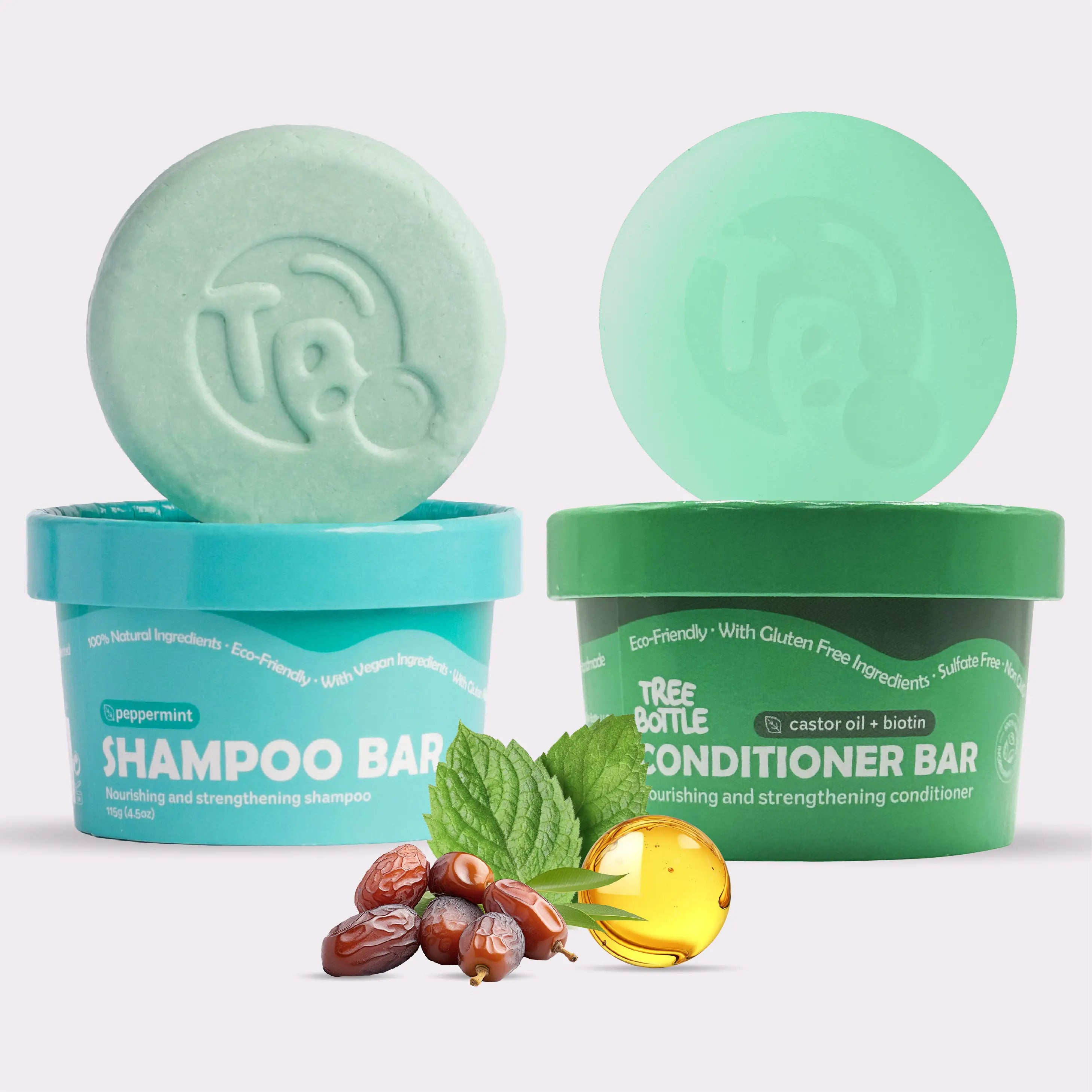
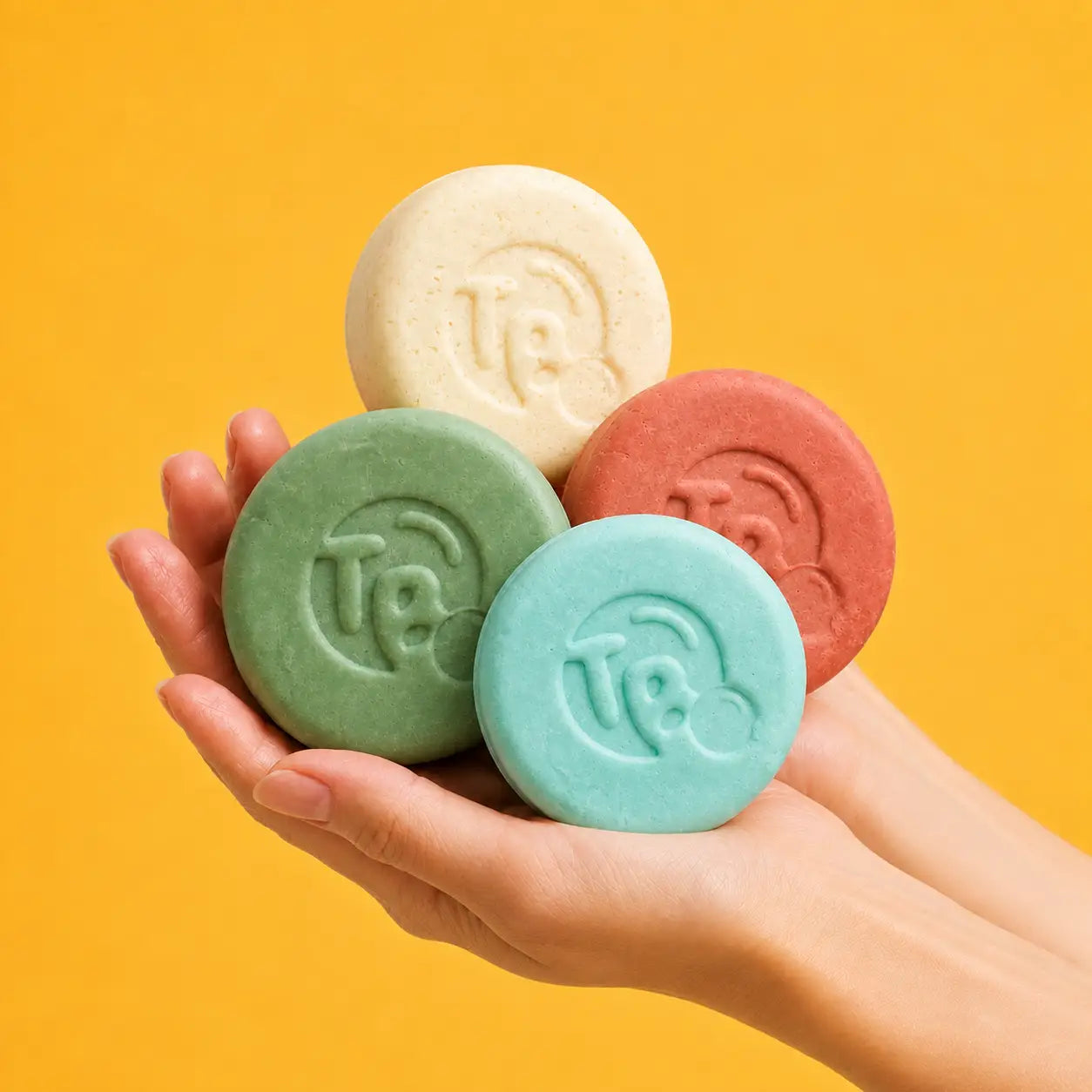
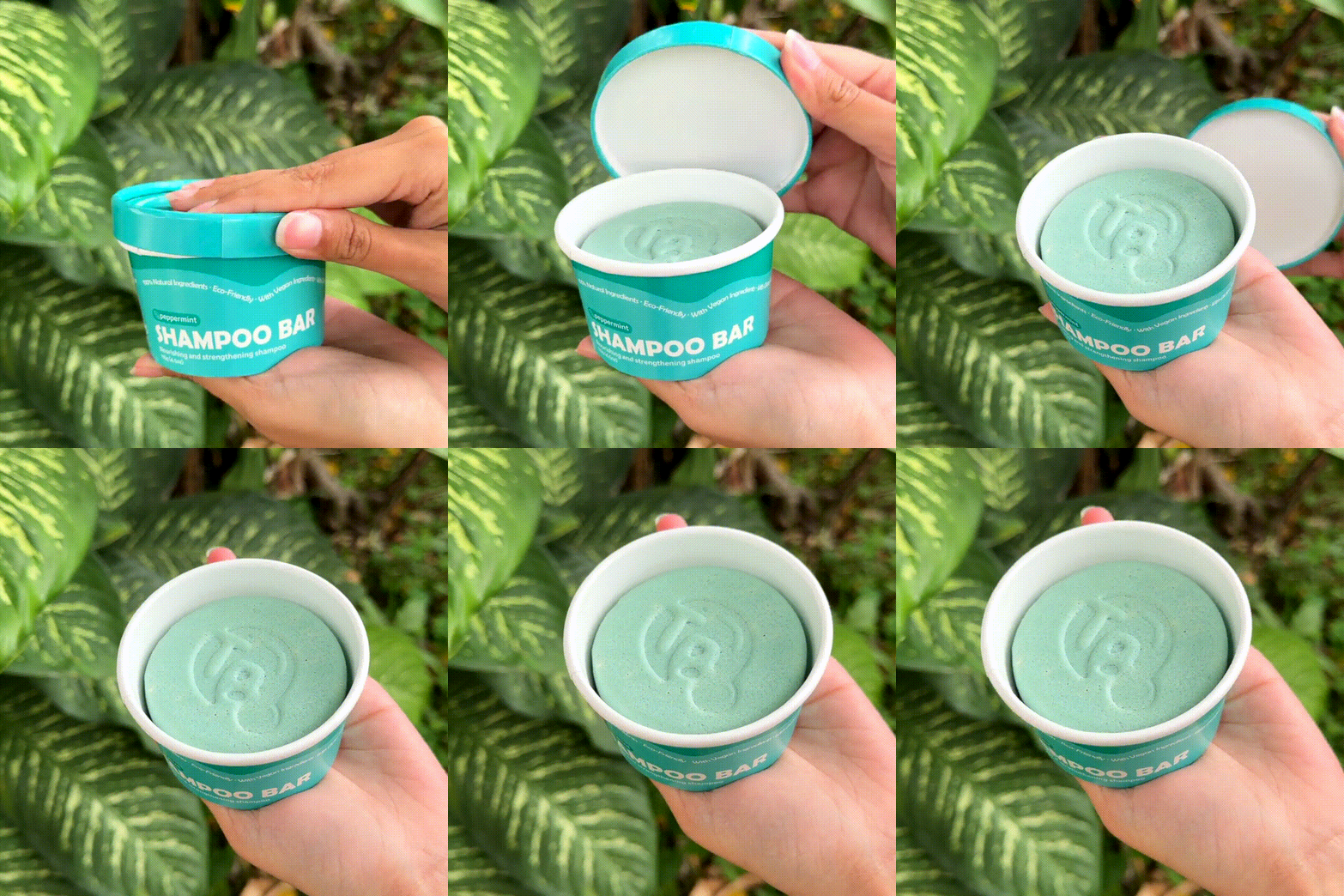
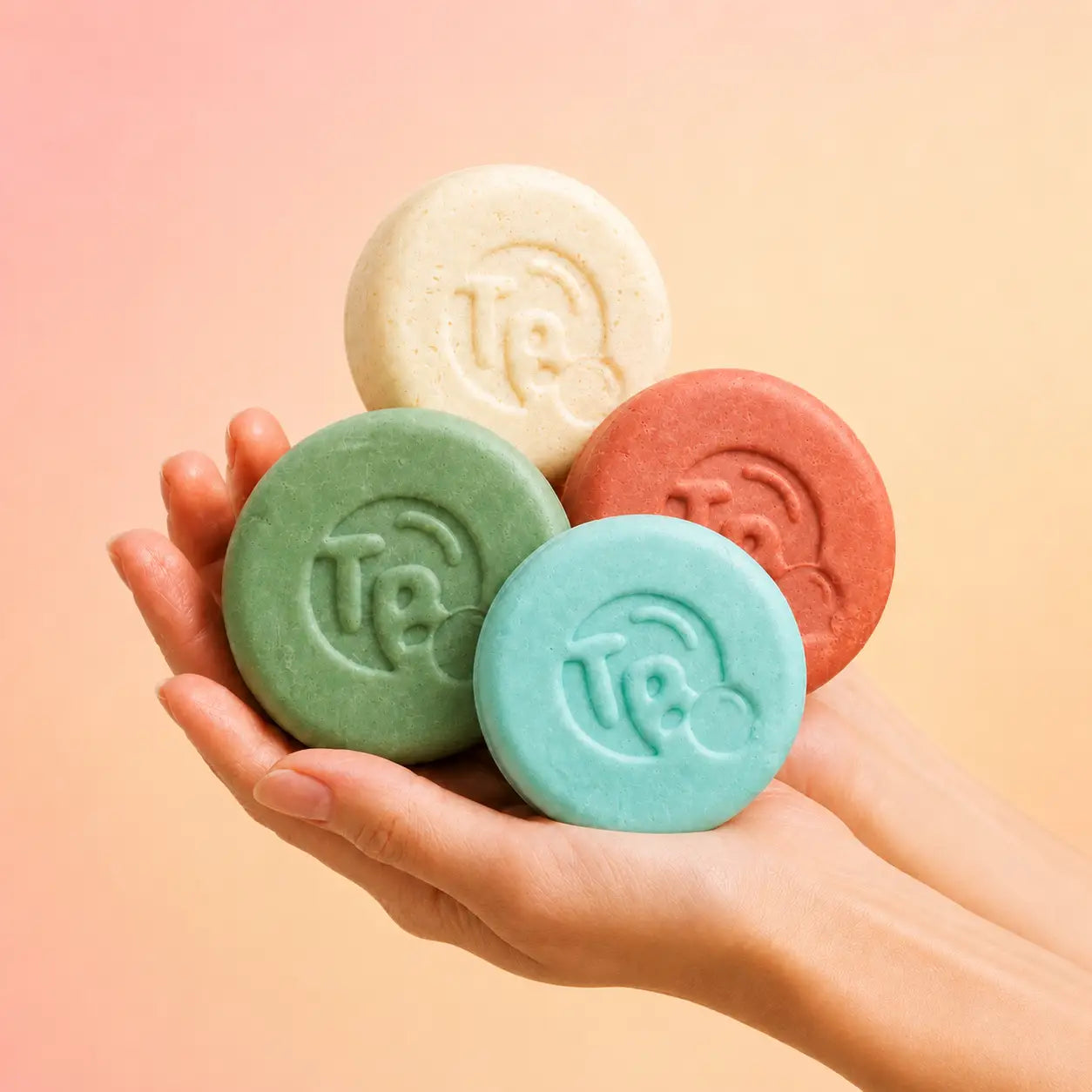
For shoppers who prefer simple product types, it can also be easier to build a routine with bars or concentrated cleansing and conditioning options, because consistency matters as much as ingredients.
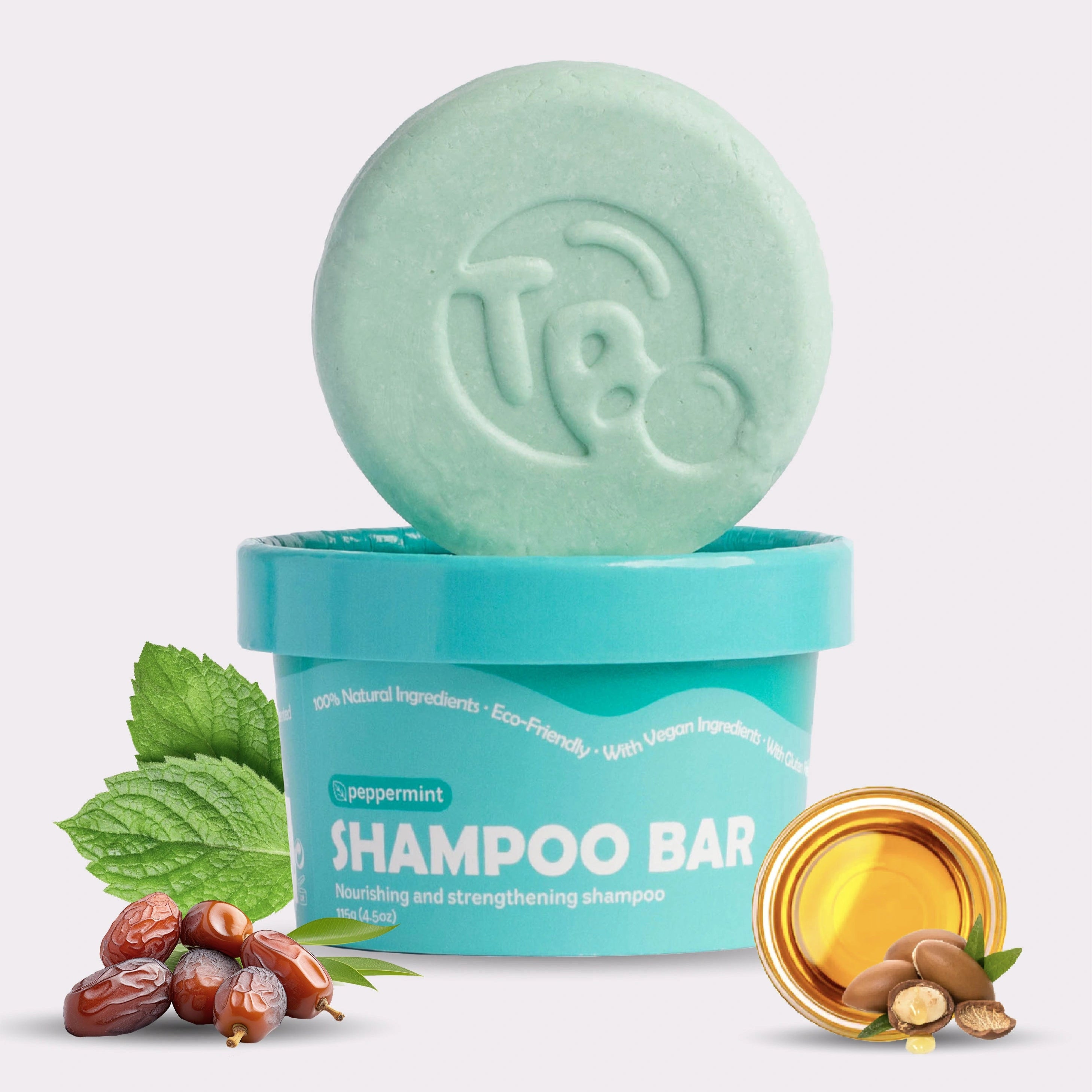
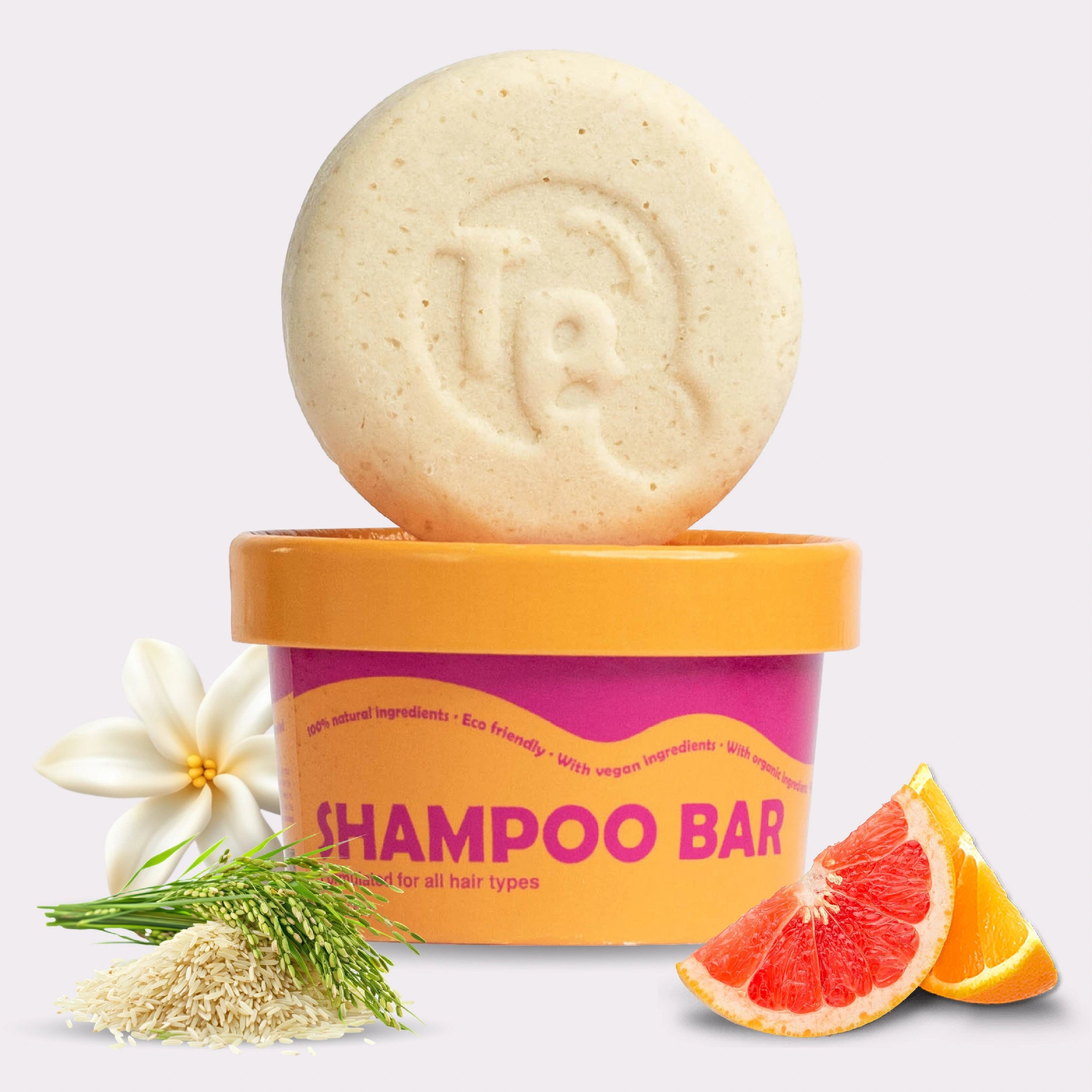
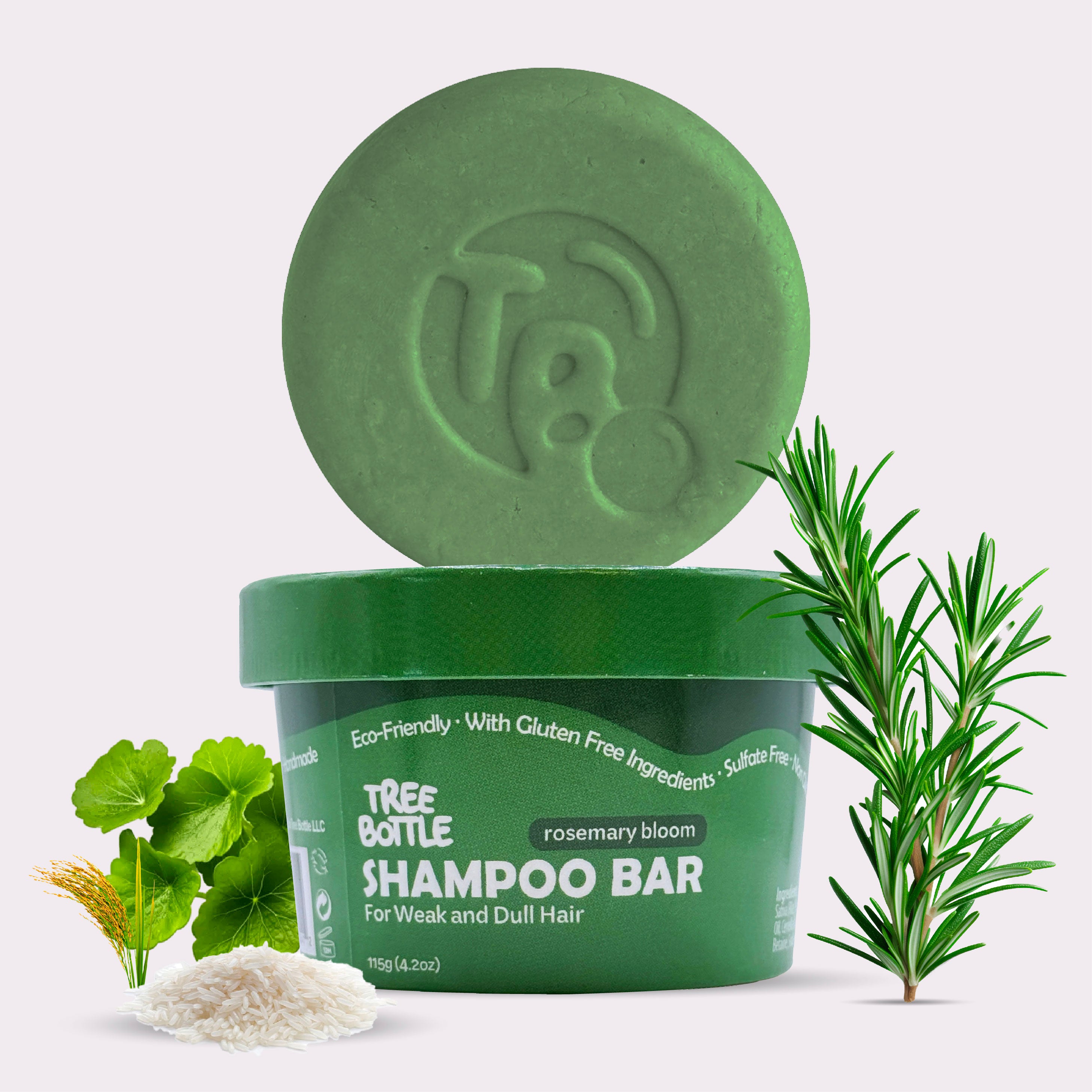
If you want an example of a frizz-focused option within a wider care range, consider checking the approach of frizz and shine shampoo bar to understand how smoothing and surface feel can be addressed from the first step of cleansing.
Quick Tips for Smoother Hair Without Overdoing It
- Use product on damp hair: Even distribution improves coating and reduces uneven frizz.
- Apply conditioner from mid-length to ends: This targets the areas most prone to lift while avoiding a heavy scalp feel.
- Detangle with gentle tension: Work slowly with a wide-tooth comb and start from the ends.
- Dry with care: Pat, do not rub. Excess friction can erase the benefits quickly.
- Choose a finishing step: A lightweight leave-in or serum can add slip and control flyaways.
- Clarify when buildup is suspected: If hair feels coated or dull, residue can prevent conditioners from working well.
These steps are practical because they reduce the most common sources of frizz: friction, dryness, and inconsistent coating.
How to Choose the Right Formulas for Your Hair
Choosing among frizz control hair products is easiest when you evaluate your hair needs instead of chasing a single “miracle” claim. Begin with your hair type and your current behavior.
1) Fine or low-density hair
Fine hair often looks flat when it is weighed down. Choose frizz control products that are lightweight and focused on smoothing. Look for formulas that provide slip and reduce static without leaving a heavy layer. Using smaller amounts and applying them only to the lengths can preserve volume while still controlling flyaways.
2) Thick, coarse, or high-porosity hair
Coarse hair may require deeper conditioning and more consistent moisture support. For this hair profile, prioritize products that improve softness and reduce roughness. Even distribution matters, and using conditioner thoroughly can reduce cuticle lift.
3) Curly and coily hair textures
Curly hair often benefits from products that support definition and minimize halo frizz around the hairline. When selecting frizz control hair products, consider whether your styling routine includes adequate hydration and gentle handling. A stable wash-and-condition process can reduce the need for excessive heat.
4) Color-treated or chemically processed hair
Chemical processing can increase dryness and fragility. In these cases, choose products designed to support a smoother feel while avoiding harsh stripping. Balanced cleansing and conditioning are usually more effective than heavy or overly frequent treatment.
When you are comparing product lines, consider the full routine. Shampoo and conditioner work together. For example, a smoothing-focused cleanse can pair well with a conditioning step that targets shine and softness. A helpful shopping mindset is to treat hair care like a system: cleanse, condition, and finish with a goal that matches frizz behavior.

Routine map: cleanse, condition, and finish workflow
Application Methods That Improve Results
Even the best frizz control hair products can underperform if the application is uneven or rushed. The following methods support better coating and reduce lift during drying.
Wash step: focus on scalp comfort and gentle cleansing
Use a cleanser that removes oil and residue without leaving hair overly dry. When hair feels squeaky or tight after rinsing, it often indicates that the cuticle may be stressed. Follow the cleansing step with a conditioner that improves slip.
Condition step: coat thoroughly, then rinse strategically
Apply conditioner to damp hair. Work from mid-length to ends and detangle gently. Rinse with careful water pressure: rough rinsing or skipping rinse thoroughness can cause either residue build-up or insufficient surface smoothing.
Leave-in or finishing step: apply by need, not habit
Flyaways often respond to small amounts of finishing products. Start with a minimal application and add only where needed. This prevents heaviness while still helping hair lie flatter.
Drying: reduce friction during the critical window
Frizz control is most sensitive during drying. Choose a microfiber towel or soft cloth, press hair instead of rubbing, and allow hair to cool before additional styling. If you use heat, use it carefully and with protective planning.
If your routine includes multiple steps, ensure they do not conflict. For instance, a very clarifying cleanse paired with insufficient conditioning may raise frizz. Conversely, heavy buildup from frequent dense products may reduce slip and encourage roughness.
Myth vs. Reality: Common Frizz Misconceptions
Myth: Frizz control is only about adding oil
Oil can improve shine and reduce the appearance of roughness, but frizz control hair products should also address hydration balance and cuticle smoothing. A balanced routine often outperforms oil-only strategies.
Myth: More product always means better results
Excess product can create residue, increase stiffness, and make hair look dull. Smoother hair usually comes from correct placement and appropriate amounts.
Myth: Frizz disappears permanently after one use
Frizz is influenced by ongoing exposure to humidity, friction, and thermal stress. Consistent use of compatible products is more reliable than expecting a single session to solve every condition.
Myth: Straight hair has no frizz needs
Straight hair can develop flyaways and texture irregularity, especially around the crown or hairline. The same principles apply: reduce friction, keep moisture balanced, and smooth the surface.
When you evaluate your results, focus on patterns. If frizz is worse on certain days, consider humidity exposure and how drying friction changes. If frizz is worse after wash days, review cleansing strength and conditioner coverage.
Summary and Next Steps
Frizz is a surface-level problem driven by moisture imbalance, friction, and cuticle lift. The right selection of frizz control hair products supports smoother behavior by improving hydration balance, reducing static, and increasing slip. For the best results, prioritize even application, gentle detangling, and drying practices that limit friction.
Next, choose one focused cleanser and one conditioner strategy, then add a finishing step based on your flyaway level. If you want a structured starting point, explore conditioning and smoothing options from your preferred brand, then keep the routine consistent for several washes to judge performance.
To deepen your product comparison and routine building, consider browsing more smoothing and conditioning ranges at Tree Bottle and then select formulas that match your hair texture and frizz pattern.
Q&A
How long does frizz control typically last after washing?
Duration varies based on humidity, hair porosity, and how the hair is dried. Many people see the strongest benefit within the first day or two because the cuticle surface is most evenly coated right after washing. Consistent routines, careful drying, and the correct amount of finishing product usually improve longevity.
Can I use frizz control hair products if I have oily roots?
Yes. Apply frizz control items mainly to mid-lengths and ends, not to the scalp. Choose lightweight formulas for the lengths and use smaller quantities. If oil buildup becomes a concern, adjust cleansing frequency and focus on scalp comfort while keeping the hair surface conditioned.
Should I detangle before or after applying conditioner?
Detangle when hair is damp and adequately coated. Conditioner provides slip that reduces snagging, which helps prevent additional frizz. Start with gentle handling at the ends and work upward gradually. If hair tangles persist, reduce friction by using a wide-tooth comb and smaller sections.
Do frizz control products work for curly hair patterns?
They can. Curly hair commonly shows frizz around the perimeter and at the ends when the cuticle is uneven. Targeted conditioning and finishing steps can support definition and reduce halo frizz. Results improve when the routine includes hydration and gentle drying that preserves curl structure.
Are shampoo bars and conditioner bars effective for frizz control?
They can be effective, especially when the formula is designed for smoothing, softness, and manageable feel. The key is consistent usage and proper rinsing, followed by thorough conditioning. If you notice dryness, adjust how long the conditioning step is left in and confirm you are applying enough product to the lengths.
About the Author
Tree Bottle is a hair care brand with expertise in ingredient-led formulas and practical routines designed to support smoother, more manageable hair. Our focus is on reducing roughness and improving daily styling comfort through thoughtful cleansing, conditioning, and finishing steps. If frizz is affecting your confidence, a consistent routine built around your hair texture can make results more predictable. Thank you for reading, and we hope your next wash day feels easier.