

Updated on: 2026-07-28
Choosing a gentle shampoo for kids is not just about making bath time pleasant. It is about supporting a scalp barrier that can be more sensitive than an adult scalp. A well-formulated cleanser helps reduce dryness, improves comfort, and supports healthy hair habits. This guide explains what to look for, how to use it correctly, and how to decide when to adjust your routine.
1. What “gentle” means for children’s shampoo
2. How to choose the right gentle shampoo for kids
3. How to use a kids shampoo routine effectively
4. Common signs your child needs a different cleanser
5. Liquid versus shampoo bars: what matters for sensitive scalps
What “gentle” means for children’s shampoo
Kids often have finer hair, a faster-changing scalp environment, and skin that reacts strongly to harsh ingredients. A gentle shampoo for kids should clean without stripping the protective oils that help keep hair soft and manageable. “Gentle” also implies a formula designed to minimize irritation and support everyday use.
A child’s scalp is part of the skin barrier. When a cleanser is overly strong, it can leave the scalp feeling tight, cause flaking, or increase itch. For many families, the goal is a shampoo that cleans away sweat, sunscreen residue, and dust, while preserving comfort.
Beyond sensitivity, “gentle” also covers usability. Bath time routines should be efficient and realistic for daily life. A good kids shampoo should rinse clean, not tangle hair excessively, and feel appropriate for frequent use.
How to choose the right gentle shampoo for kids
Selection should be based on ingredients, performance, and the child’s specific needs. Keep the decision simple by focusing on a few high-impact criteria. If you are aiming for a gentle everyday cleanser, these factors help you narrow options.
1) Prioritize mild cleansing ingredients
Look for formulas described as gentle, with cleansing agents designed for sensitive skin. The best choice depends on your child’s reaction history, but in general, you want a cleanser that does not feel harsh or squeaky after rinsing. When shampoo rinses thoroughly, hair should feel clean and light rather than dry.
2) Choose scalp-friendly hydration and conditioning
A gentle formula usually includes ingredients that help maintain softness and reduce friction during combing. That matters because wet hair is more prone to tangling and mechanical breakage. Conditioner-like benefits can make detangling easier and reduce the temptation to shampoo less consistently.
3) Be mindful of fragrance and irritant potential
Many children tolerate light scent well, but some scalps react to strong fragrance. If your child is prone to irritation, begin with a milder-scent or fragrance-light option. Patch testing is reasonable when trying a new product, especially for children who have a history of sensitivity.
4) Consider age, hair type, and activities
A child who swims frequently may need a stronger rinse capability to remove mineral and chlorine residue. A child with naturally dry hair may need extra slip. For curly hair, gentleness also includes minimizing frizz through improved detangling and smoother hair feel.
5) Check the label for clarity and consistency
Look for ingredient transparency and a formula that aligns with everyday use. Avoid complex product mixes that you cannot understand. If you notice negative reactions after switching, return to a simpler routine and reassess.
Scalp barrier shield icon with gentle rinse flow
6) Use targeted product matching, not constant switching
Frequent changes can make it difficult to identify the cause of dryness or itch. Instead, aim for a consistent routine with one product, then adjust based on observed response over multiple washes. When the hair feels comfortable and the scalp remains calm, you have likely found a suitable option.
How to use a kids shampoo routine effectively
Even the best formula can underperform if used incorrectly. For children, gentle shampoo application should focus on scalp cleansing, not aggressive hair scrubbing. The right technique supports both comfort and cleanliness.
Step 1: Pre-rinse thoroughly
Use warm water to wet the scalp and hair completely. Pre-rinsing helps lift sweat and residue before shampoo touches the scalp. This reduces the need for additional scrubbing passes.
Step 2: Use a small amount and distribute gently
Apply a modest amount of cleanser to the scalp area. Massage with fingertips using light circular motions for a short duration. Do not use fingernails. Let the lather do the work.
Step 3: Focus on scalp, let hair receive secondary cleansing
As you massage the scalp, foam will naturally move through the hair. This is usually sufficient for light soil. For longer hair, prioritize comfort and avoid heavy friction.
Step 4: Rinse with patience
Thorough rinsing is a key part of gentleness. Residue can make hair feel coated and can contribute to buildup. Rinse until the water runs clear and hair feels clean to the touch.
Step 5: Detangle while hair is conditioned
If you use conditioner, apply it to hair lengths and ends. Then detangle using a wide-tooth comb. Work gently from ends upward. This reduces stress on strands and helps the child enjoy hair care.
Step 6: Dry carefully
Pat hair with a towel rather than rubbing vigorously. If heat styling is used, keep it minimal. The simplest approach is air drying when possible, or using a low-heat setting when necessary.
If you are also styling, remember that daily protective habits matter. Hats, swim caps, and simple braids can reduce tangles and friction, which supports the overall goal of a gentle routine.
Common signs your child needs a different cleanser
Children communicate with their comfort. If a shampoo does not suit their scalp, the signs often appear quickly during the first few washes. At the same time, do not overreact to every minor change. Look for patterns and consider the entire routine.
1) Dryness or flaking that persists after rinsing
Light, temporary dryness can happen after seasonal changes or new water sources. Persistent flaking may indicate a cleanser that is too stripping or not rinsing well.
2) Itch that returns shortly after washing
Itch can be caused by many factors, including irritation from fragrance or buildup. If itch is consistently tied to the same product, discontinue it and reassess.
3) Hair feels rough, tangled, or difficult to manage
When hair becomes rough quickly after shampoo, it may be losing moisture or accumulating residue. Gentler cleansing plus better slip usually improves manageability.
4) A sense of scalp tightness
Some children describe this as discomfort. If the scalp feels tight, consider switching to a milder cleanser and improving rinsing habits.
5) Reaction after switching products
If you recently changed shampoo and the issue began after the transition, the timing is a useful clue. Return to the prior product if it had worked well, then try a new gentle formula when appropriate.
If symptoms are severe, persistent, or accompanied by visible irritation, consult a qualified healthcare professional. This guidance is for routine selection and use, not diagnosis.
Liquid versus shampoo bars: what matters for sensitive scalps
Many families compare traditional liquid shampoo with shampoo bars. Both can be gentle when formulated thoughtfully, but usage details differ. The deciding factor is how the product behaves on the scalp and whether it rinses cleanly.
Shampoo bars: benefits and responsible use
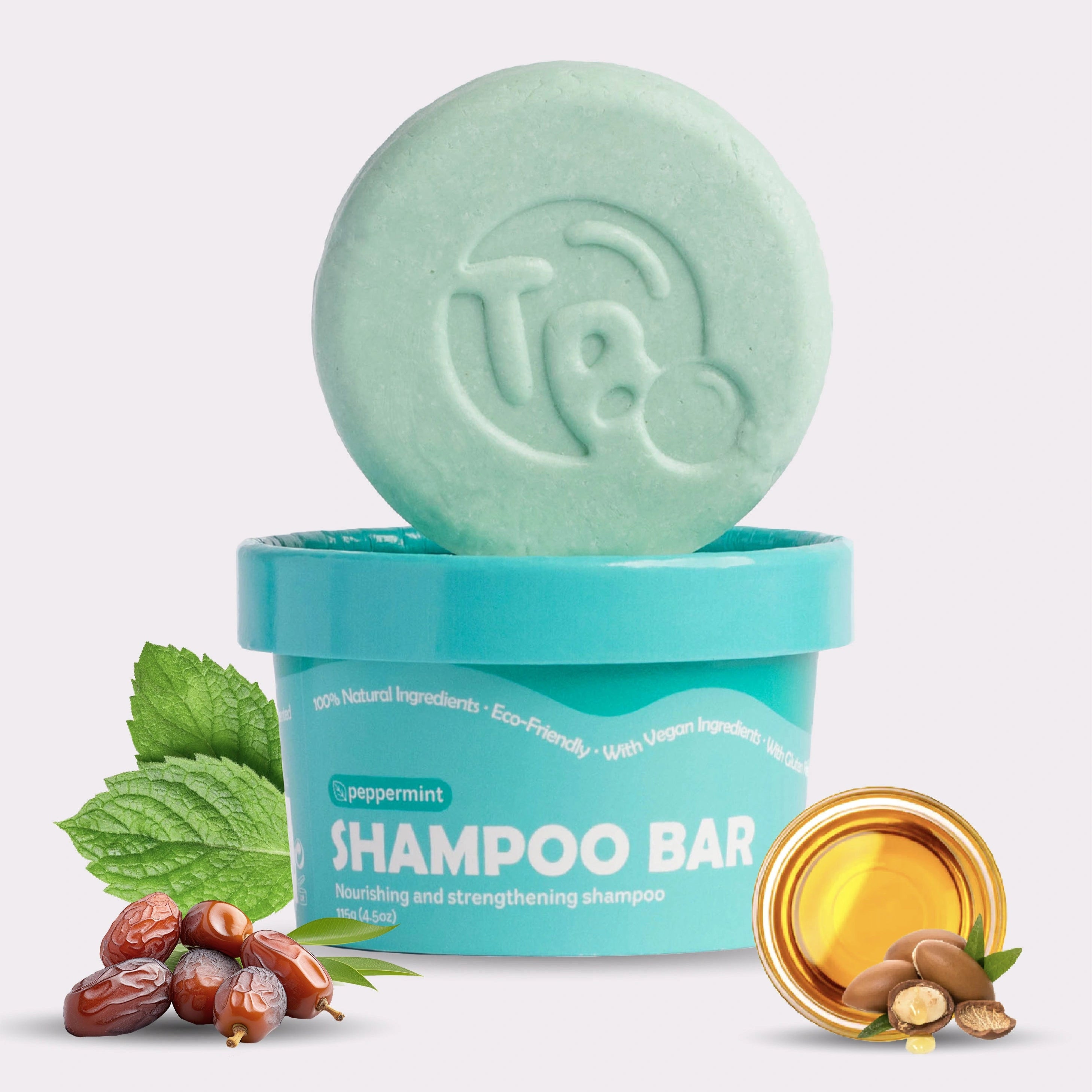
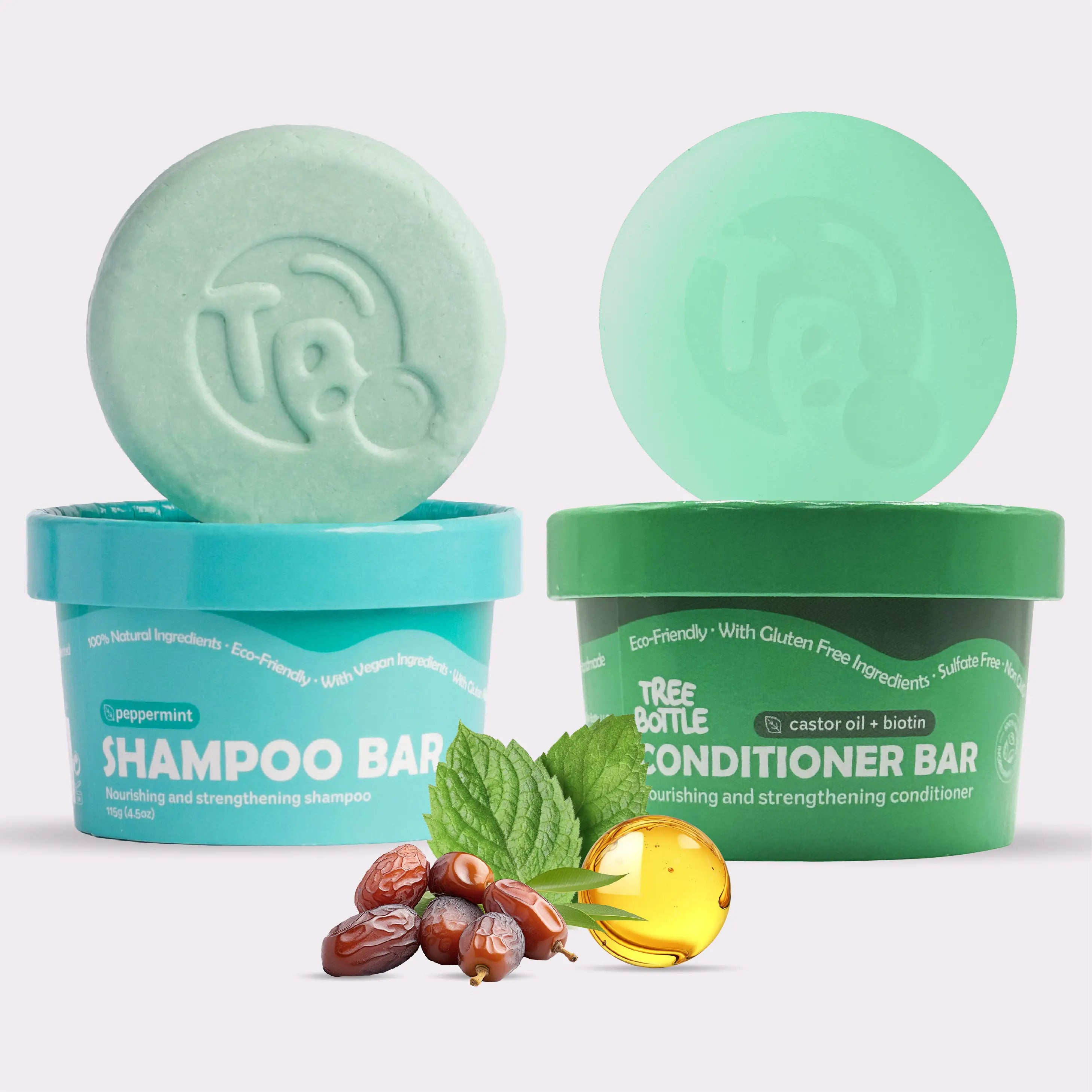
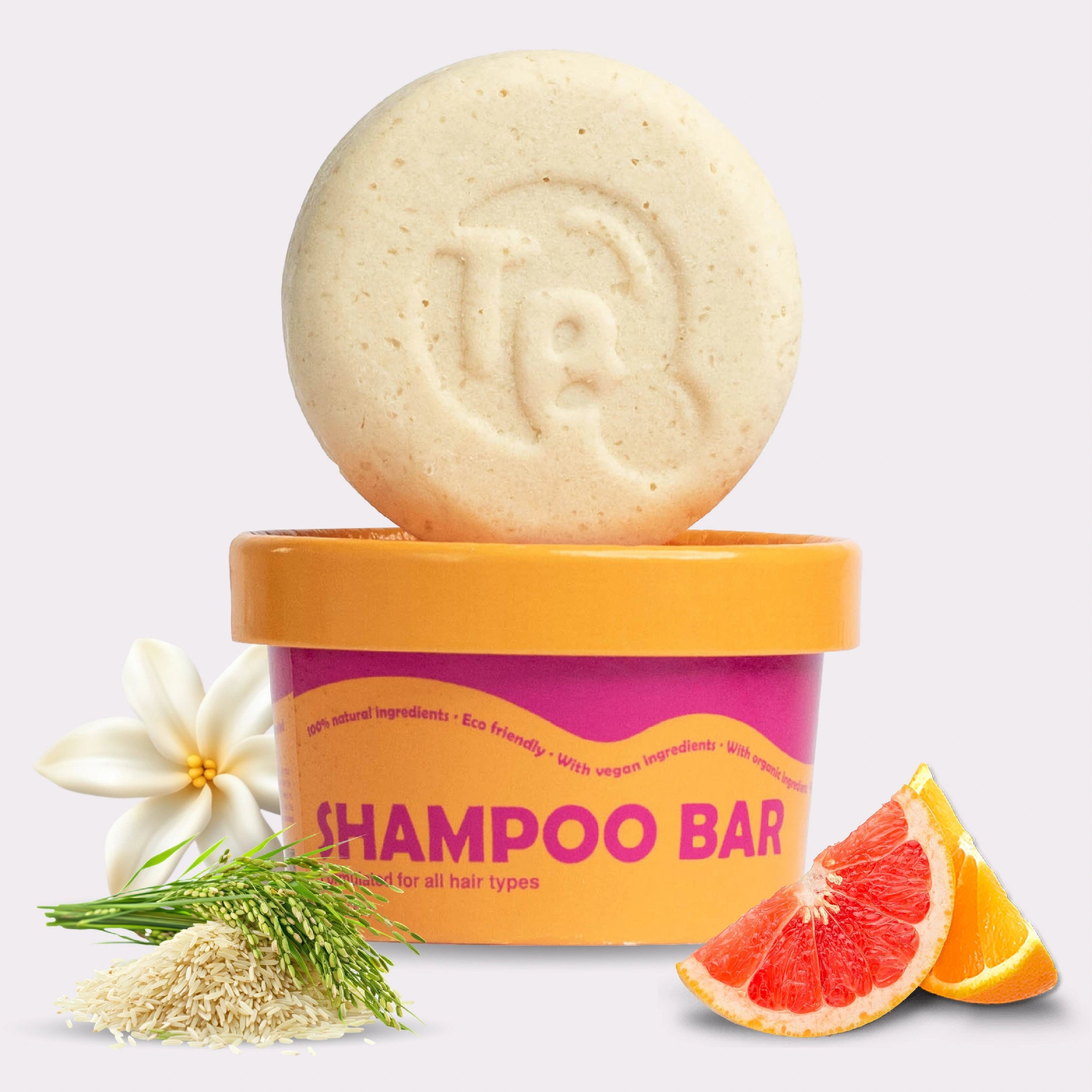
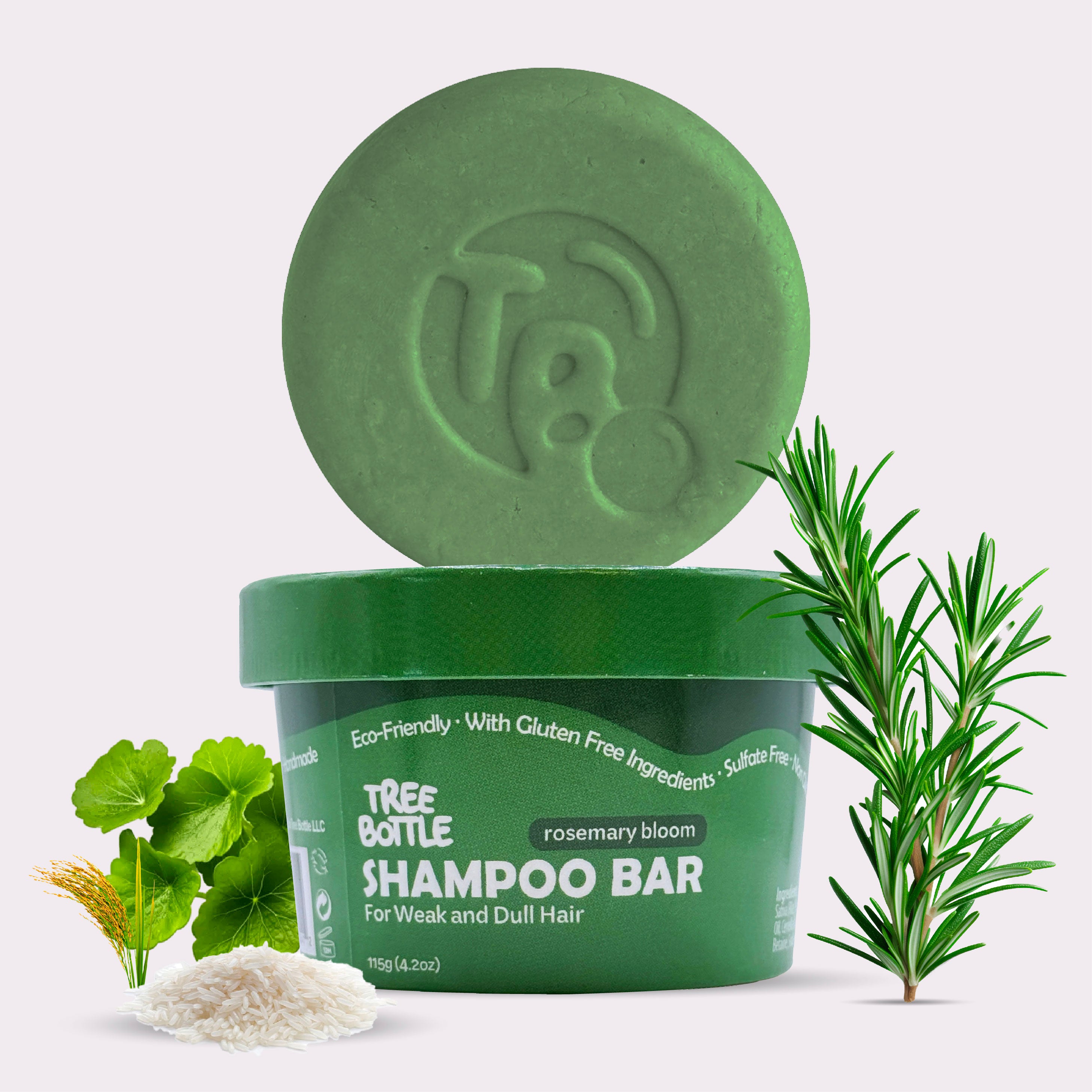
Shampoo bars can be effective for everyday cleansing and may simplify routines. They often provide concentrated cleansing and can be convenient for travel. However, good technique matters. Lather the bar in your hands or apply using light touch on the scalp, and rinse thoroughly.
Liquid shampoos: consistency and immediate dosing
Liquid products may feel more predictable for measuring and applying. They often come with well-established instructions for dilution and distribution.
What to evaluate regardless of format
Rinse behavior: hair should feel clean, not coated.
Scalp comfort: no tightness or persistent itch.
Detangling: manageable hair reduces pulling and friction.
Frequency: a gentle routine should support regular washing needs.
Two water streams symbolizing rinse-through cleanliness
If you want a gentle option for young scalps, focus on the formulation and application method rather than the format alone.
Product considerations and sensible shopping choices
Instead of searching endlessly for a “perfect” cleanser, build a short list based on your child’s needs. Then test thoughtfully. Start with one change at a time, such as fragrance level or ingredient approach, so you can connect results to the cause.
Consider kids-specific gentle formulas
A kids shampoo bar designed for sensitive scalps can align with the goal of reduced irritation. For example, you may consider oat-based gentle cleansing that aims to support scalp comfort. This is a practical way to stay consistent while respecting the unique needs of children’s skin.
Match the rinse and conditioning needs
If hair tangles easily, a gentle cleanser that includes conditioning support can improve the overall experience. For some children, pairing shampoo with a lightweight conditioner approach helps manage combing without extra harshness.
Plan for common hair scenarios
For dry or coarse hair, prioritize softness and detangling support.
For fine hair, prioritize a clean rinse that does not weigh hair down.
For active children, prioritize removal of sweat and residue with gentle massage.
Keep the routine simple
Overcomplicated regimens can lead to inconsistent use. A sensible routine often looks like a gentle cleanse, careful rinsing, and gentle detangling. That consistency typically produces better results than frequent product rotations.
Because shampoo is only one part of hair care, also consider water quality, washing frequency, and friction from brushing. For many families, small improvements in technique and detangling offer more immediate benefits than constant product changes.
When shopping, review ingredient clarity, confirm usage instructions, and choose a product intended for sensitive scalps. If you also explore complementary craft brands, you can review options at HazumiCrafts for general inspiration, while still prioritizing scalp compatibility for your child.
FAQ
How often should I use gentle shampoo for kids?
Most children do well with washing based on activity and scalp comfort, not a strict calendar. If hair becomes oily quickly or if the scalp feels sweaty after outdoor play, washing more frequently can be appropriate. When hair feels dry or the scalp is reactive, reduce frequency slightly and focus on thorough rinsing.
What ingredients should I avoid when buying a gentle shampoo for kids?
Rather than chasing a single ingredient list, focus on how your child reacts. If sensitivity appears after switching products, the cleanser may contain something that irritates that child’s scalp or worsens dryness. Choose a simpler formula first and adjust based on observed comfort. When in doubt, consult a qualified healthcare professional for guidance.
Can a shampoo bar be gentle enough for children?
Yes. A well-formulated shampoo bar can cleanse without stripping when lathering and rinsing are done properly. Rinse thoroughly, apply with light scalp massage, and stop if you notice itch or persistent flaking. Technique is important because residue or insufficient lather can make hair feel coated.
What should I do if my child’s scalp still feels dry?
Begin by improving technique: pre-rinse, use a small amount, massage gently with fingertips, and rinse until the water runs clear. Then assess whether hair detangling and drying methods are creating friction. If dryness persists after a careful routine adjustment, consider switching to a more scalp-friendly cleanser and consult a professional if symptoms are persistent.
About the author
Tree Bottle contributes expertise in hair care routines and ingredient-aware selection. The focus is practical guidance for parents who want comfortable, consistent cleansing habits for children. With a commitment to education over marketing claims, the team supports informed product choices based on scalp comfort and everyday performance. You can apply the steps above to refine your routine and make bath time calmer and more predictable.