
Updated on: 2026-10-06
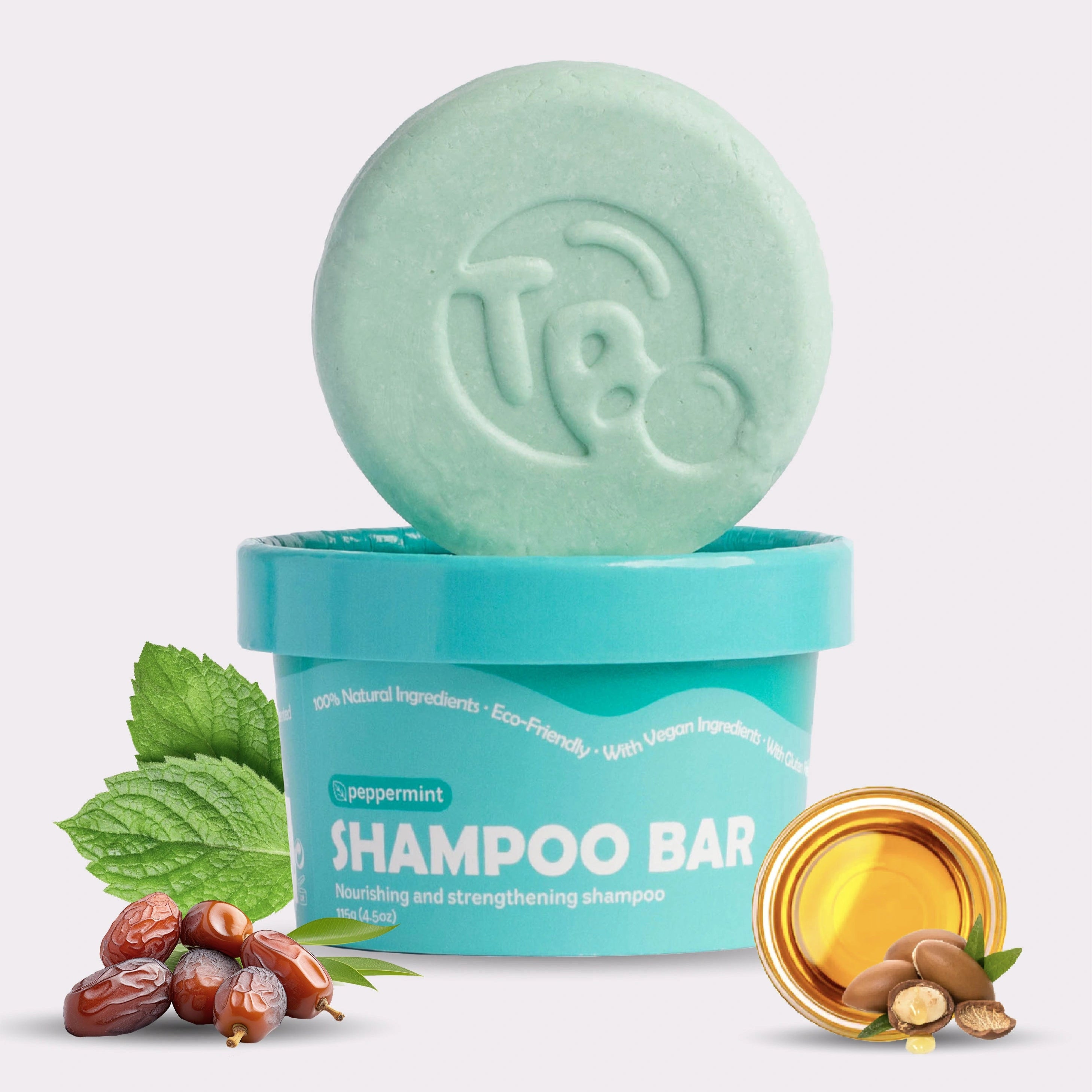
Hair growth begins with a healthy scalp environment. A hair growth shampoo bar can simplify daily cleansing while helping you maintain balanced hydration and reduce buildup. Compared with some liquid formulas, a bar shampoo often delivers a more solid, controlled lather and can feel gentler for many routines. The best results come from choosing ingredients that match your scalp needs and using consistent application habits.
In this guide, you will learn how to select the right bar, avoid common mistakes, and build a simple routine that supports stronger-looking hair over time.
Table of Contents
- 1. Common Challenges With Hair Growth Care
- 2. Why a Hair Growth Shampoo Bar Fits a Scalp-First Routine
- 3. How to Choose the Right Hair Growth Shampoo Bar
- 4. A Practical Routine for Cleansing and Scalp Support
- 5. Comparison: Shampoo Bar vs Liquid Shampoo
- 6. Summary & Recommendations
- 7. Q&A
- 8. About the Author
1. Common Challenges With Hair Growth Care
Most people start their hair care journey with one goal: longer, fuller-looking strands. In practice, hair growth support often depends on the scalp first. When the scalp is dry, congested, or irritated, hair can look thinner even if the length potential remains. The most common friction points include inconsistent cleansing, product buildup, and using formulas that do not match scalp conditions.
Scalp buildup and dullness can make hair feel heavy and reduce natural volume. Styling products, hard-water minerals, and over-layered leave-ins may accumulate. A hair growth shampoo bar can be part of a clean-start routine because it is designed to cleanse thoroughly while still feeling controlled in lather.
Dryness and itchiness often lead to cycle behavior: over-washing for comfort, then dryness again. A bar that supports hydration balance and avoids harsh cleansing can help you break that cycle. Look for formulas that emphasize gentle cleansing and scalp-friendly conditioning.
Uneven oil distribution can also cause problems. Some routines leave the scalp feeling stripped, while the ends feel under-cleaned. The solution is technique: massage with the pads of your fingers, rinse well, and avoid long contact times that may over-dry the scalp.
2. Why a Hair Growth Shampoo Bar Fits a Scalp-First Routine
A hair growth shampoo bar is built around an idea that is easy to understand: scalp health influences hair appearance. When your scalp is clean, balanced, and comfortable, hair often looks more resilient. Bars typically use concentrated formulas that create consistent lather, which can help you cleanse without needing excessive product.
Another practical advantage is storage and usage. Solid formulas are typically compact, and a bar format can reduce the temptation to over-apply. When you use less product and rinse effectively, you can lower the chance of buildup that weighs down hair.

Illustration of scalp circles, gentle lather, and clean rinse flow
It is important to keep expectations realistic. Hair care products do not guarantee identical results for every person. However, a well-chosen shampoo bar can support a routine that is consistent, scalp-friendly, and suited to your hair texture.
3. How to Choose the Right Hair Growth Shampoo Bar
Choosing the right bar requires aligning ingredients with your scalp needs. Start with three factors: scalp comfort, cleansing strength, and conditioning support. Then refine based on your hair type.
Step 1: Identify your scalp priority
- Oily scalp often needs clearer cleansing and regular removal of excess oil.
- Dry scalp needs gentle cleansing and hydration support.
- Sensitive scalp benefits from mild formulas and careful technique.
- Thinning appearance can benefit from scalp-massaging routines and ingredient strategies that support a healthy environment.
Step 2: Match ingredients to your goals
Many users look for ingredient themes such as essential-oil blends for circulation support, plant extracts for comfort, and amino or protein components for texture. You should also consider whether your routine includes conditioners, serums, or oils that may interact with your cleansing choice.
If your hair feels frizzy, look for a bar that supports smoothness and shine. If your scalp feels tight after washing, prioritize gentler cleansing with balancing components. Ingredient names are useful, but texture and tolerance are more important. A formula that works well for your scalp comfort is often the one you can use consistently.
Step 3: Confirm compatibility with your routine
For example, if you use a leave-in spray daily, you may need a cleanser that feels effective at clearing residue. If you color your hair, you may prefer a bar that provides gentle cleansing and conditioning support rather than stripping.
To refine selection, you can compare product formats within the same brand ecosystem. If you want a hair growth-oriented option, consider these Tree Bottle products for inspiration:
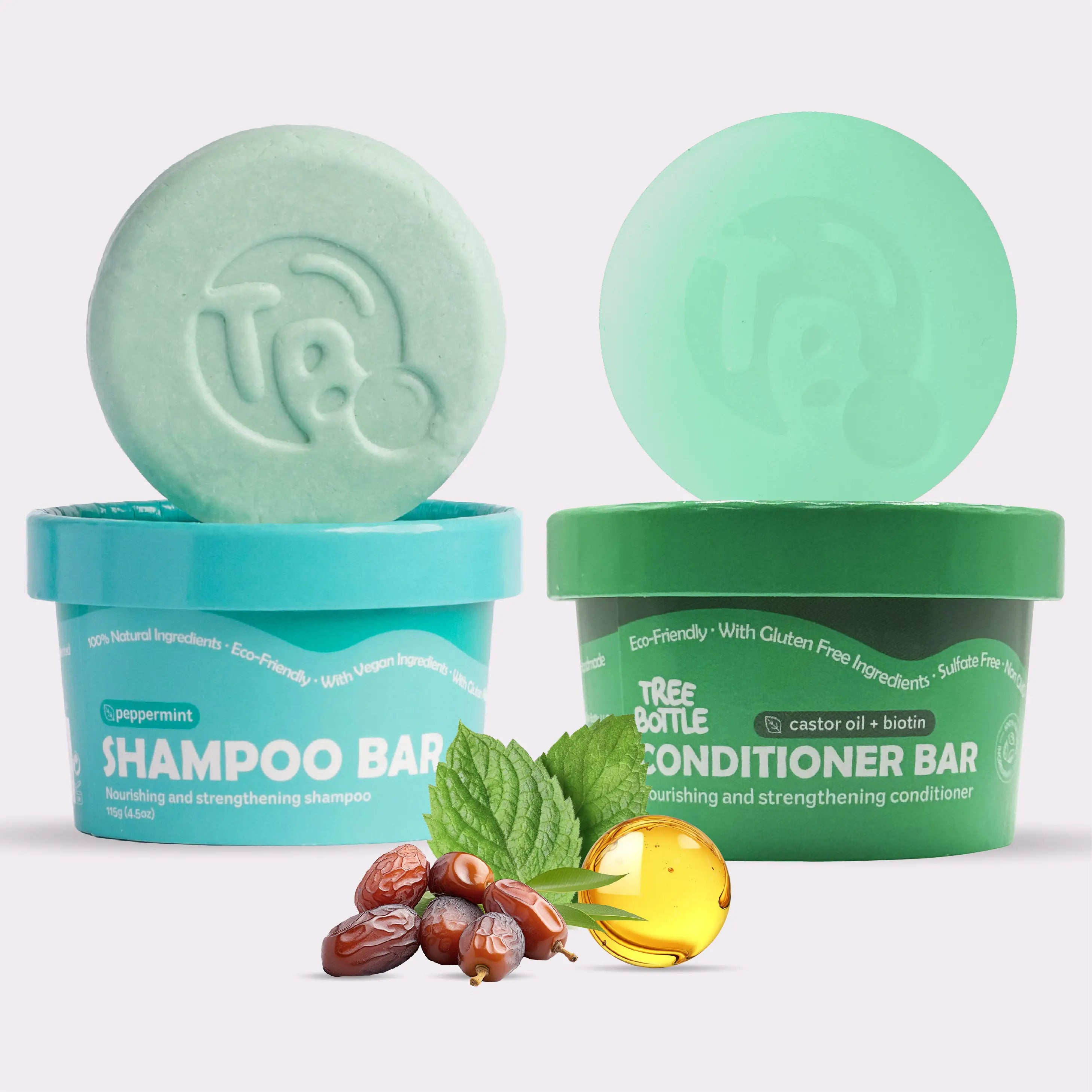
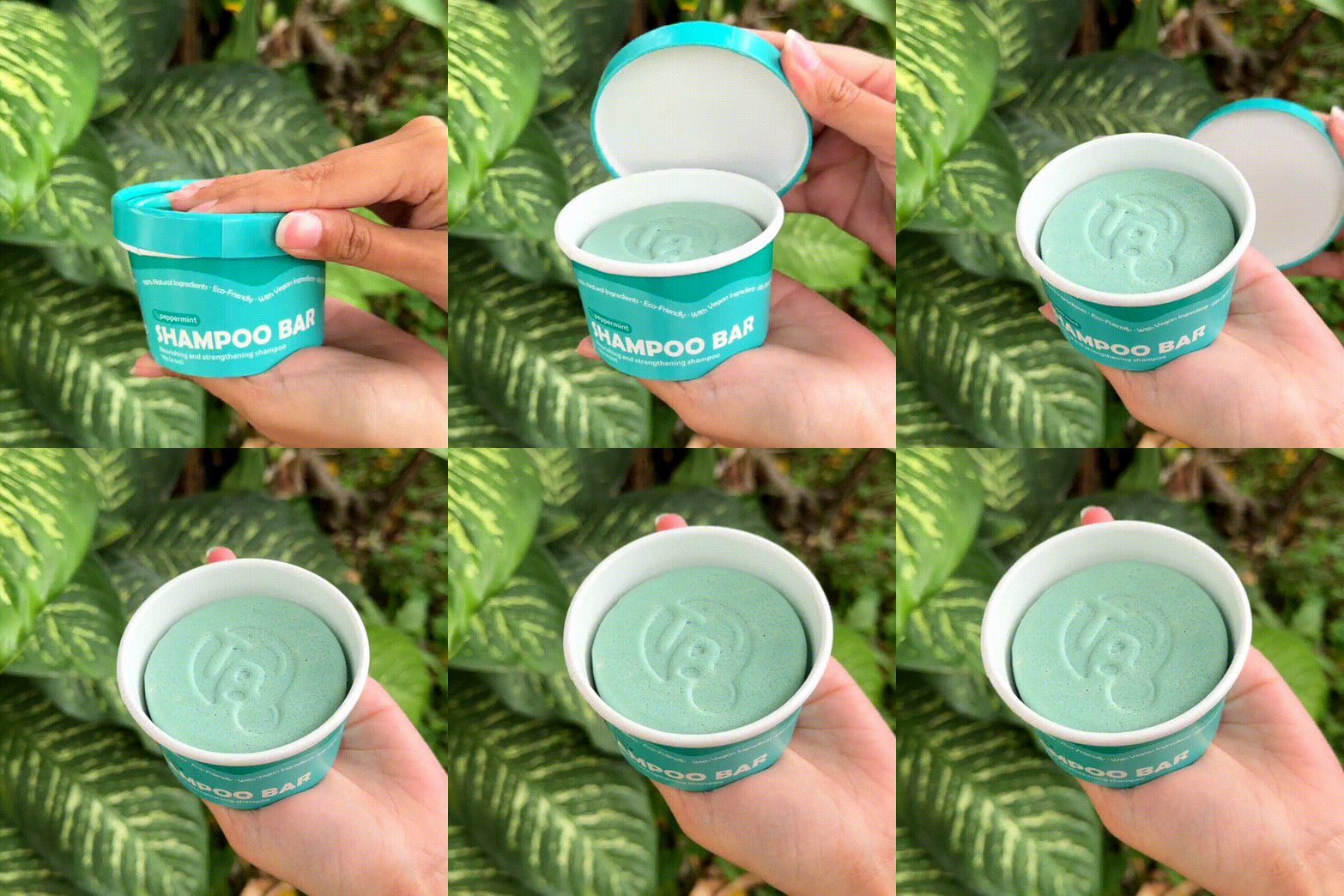
- Castor oil shampoo bar for hair growth
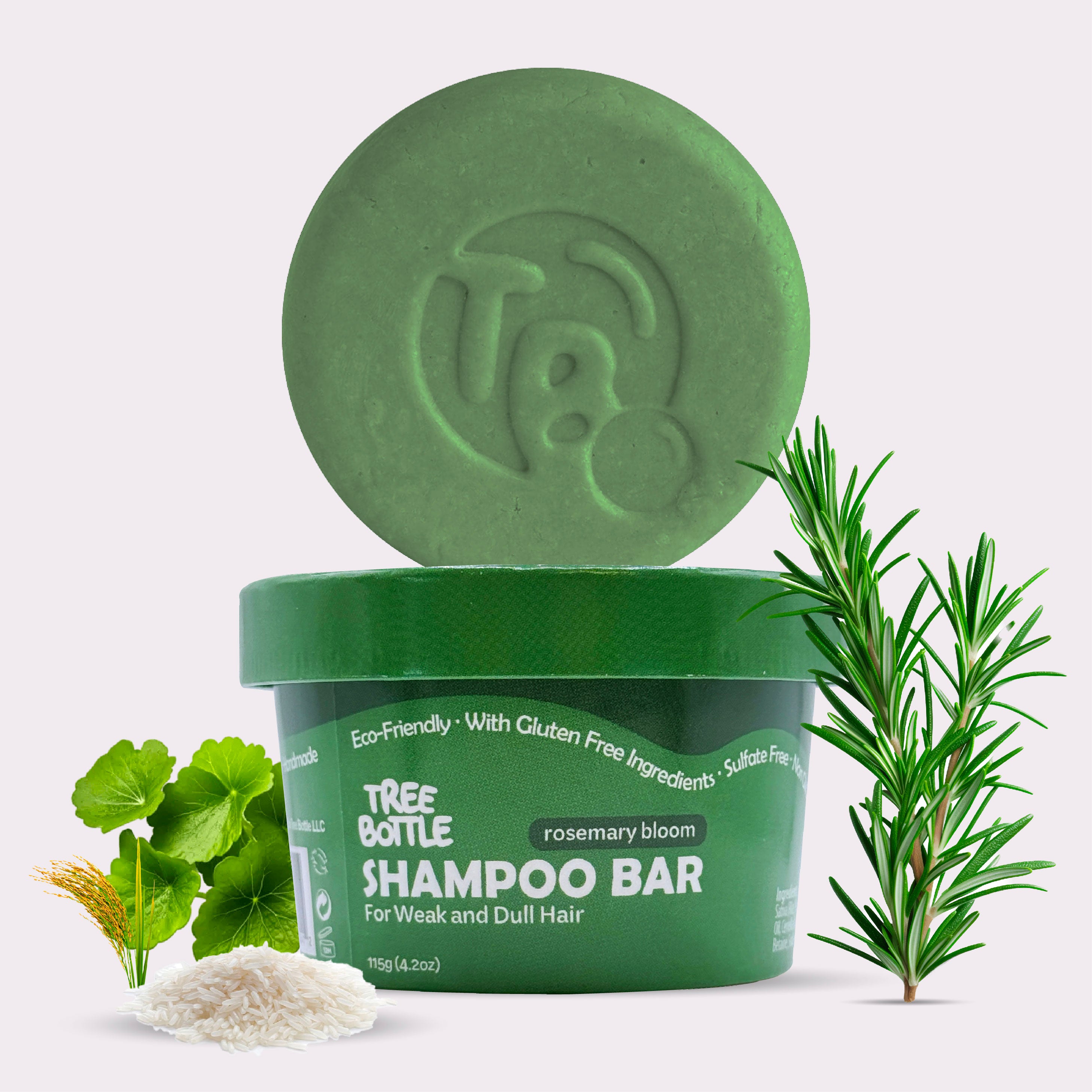
- Rice water rosemary bar for volume
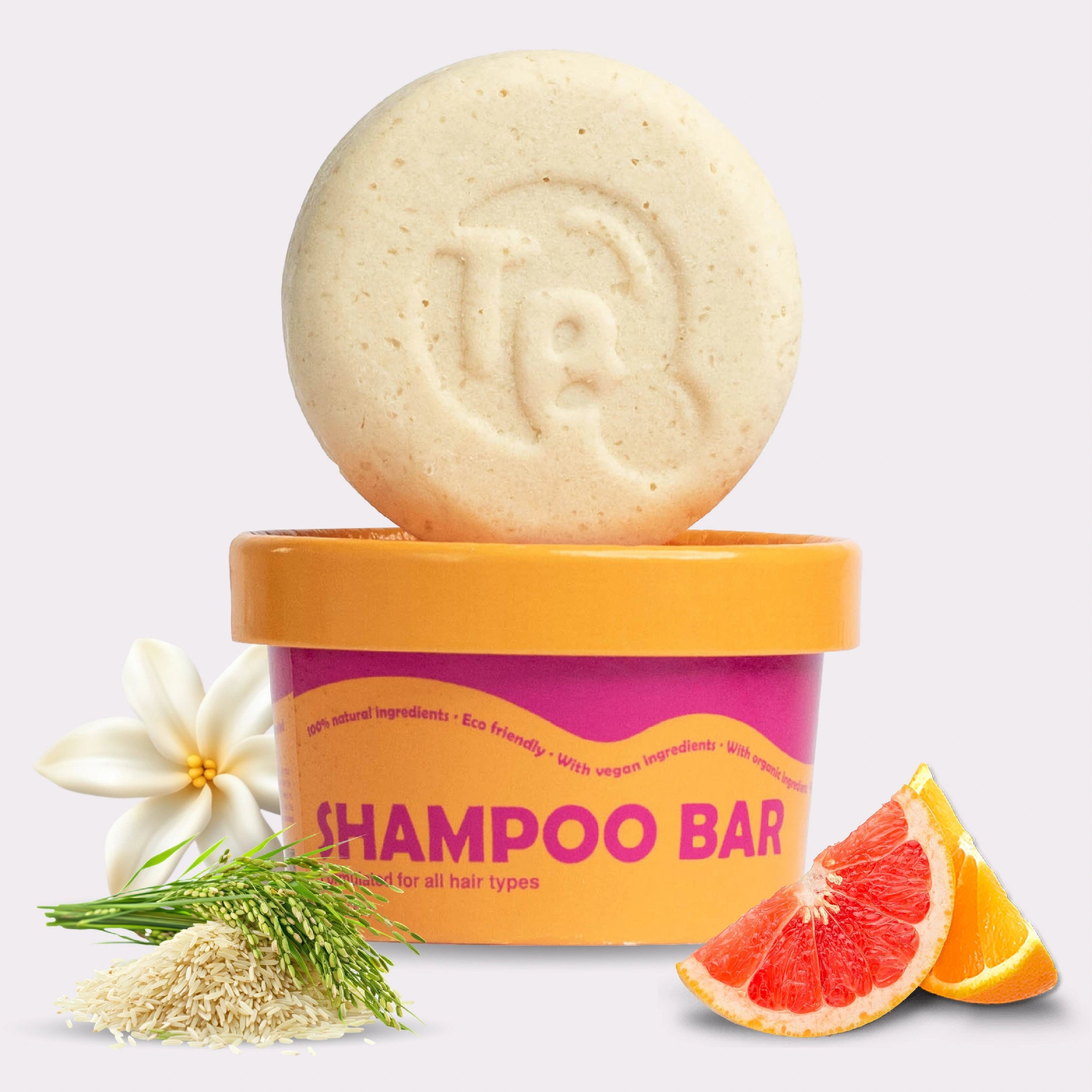
- B5 citrus bar for frizz and shine
- Hyaluronic acid bar for hydration
Choose one bar and evaluate it based on scalp comfort, rinsing performance, and how your hair behaves in your styling routine. Consistency matters more than switching too frequently.
4. A Practical Routine for Cleansing and Scalp Support
A bar shampoo routine should be simple. When you focus on technique, you often improve outcomes without changing products constantly. The goal is to cleanse the scalp effectively while maintaining comfort.
Step A: Prep and lather correctly
Wet your hair and wet the bar. Then rub the bar in your hands or directly over the scalp until you see a stable lather. If your lather feels too thin, add water gradually. Avoid aggressive rubbing. Use gentle pressure and small circles.
Step B: Massage with the right contact time
Use finger pads to massage the scalp for thorough cleansing. This helps distribute lather and supports a scalp-first approach. Keep contact time moderate. If your scalp feels dry, shorten the contact window and prioritize rinsing.
Step C: Rinse thoroughly
Rinsing is where many routines succeed or fail. If residue remains, hair can feel coated. Ensure you rinse until water runs clear and scalp feels comfortable.

Visual of scalp massage circles and clear rinse water
Step D: Use conditioner strategically
Shampoo bars cleanse the scalp and roots, but the ends may still need additional conditioning. Apply conditioner primarily to hair lengths, not the scalp. This can help reduce frizz while keeping scalp comfort intact.
If you prefer a matched system, you can explore bar-based conditioner options for additional support. For example, pairing your cleansing bar with a conditioning bar can improve slip and reduce tangling.
One accessory can also enhance your routine without overcomplicating it. Consider the following product from Tree Bottle:
Eco-Friendly Scalp Massager (Gift)

Eco-Friendly Scalp Massager (Gift)
If you also want to explore complementary craftsmanship in the broader wellness space, you may review offerings at HazumiCrafts. This blog focuses on hair care routines, but browsing curated lifestyle items can help you build a more intentional self-care workflow.
5. Comparison: Shampoo Bar vs Liquid Shampoo
Understanding format differences helps you choose with confidence. Both bars and liquids can cleanse effectively, but they often differ in lather behavior, packaging, and how residue may form in your routine.
Pros and cons
| Aspect | Shampoo bar | Liquid shampoo |
|---|---|---|
| Lather behavior | Often more controlled and concentrated | Varies by formula; may create more foam quickly |
| Buildup risk | Can be low with proper rinsing technique | Can also be low, but overuse or residue buildup may occur |
| Travel and storage | Compact and easy to pack | Needs bottle space and may be restricted for travel |
| Learning curve | Requires getting lather and contact time right | Often simpler for new users |
| Scalp-first routine | Encourages massage technique and consistent cleansing | Can work well if the user focuses on scalp contact |
For many people, the deciding factor is not the format itself, but whether the product supports a repeatable routine. A hair growth shampoo bar can be a strong choice when you prioritize scalp comfort and effective rinsing.
6. Summary & Recommendations
A reliable routine can make a noticeable difference in how hair looks and feels. A hair growth shampoo bar supports a scalp-first approach by cleansing with controlled lather and encouraging consistent massage technique. To choose well, match the formula to your scalp condition and ensure it rinses cleanly.
Here are actionable recommendations:
- Select one bar and use it consistently long enough to evaluate scalp comfort and hair performance.
- Use gentle finger-pad massage and rinse thoroughly to avoid residue buildup.
- Condition the lengths, not the scalp, to balance smoothness with scalp clarity.
- If you have specific concerns such as frizz, hydration, or volume, choose a bar that aligns with those needs.
When you combine product choice with technique, you create a system that is easier to maintain. That is often the most effective path to stronger-looking hair.
7. Q&A
How often should I use a hair growth shampoo bar?
Most routines start with washing based on scalp comfort rather than a strict schedule. If your scalp feels oily quickly, you may cleanse more frequently. If it feels dry or tight, reduce washing frequency and focus on gentle massage and thorough rinsing.
Will a shampoo bar work for sensitive scalp?
It can, provided the formula is mild and the technique is gentle. Start with short contact time, use finger pads instead of nails, and monitor how your scalp responds. If you experience persistent irritation, discontinue use and reassess your routine.
Do I need a conditioner after using a shampoo bar?
Conditioning can improve manageability because shampoo mainly supports scalp cleansing. Apply conditioner to hair lengths and ends. This approach helps maintain softness and reduces tangling while keeping the scalp area focused on clean rinsing.
What signs indicate that my shampoo bar is not right for me?
Common signals include ongoing itchiness, a coated feeling after rinsing, or hair that becomes dull despite regular styling. Adjust technique first, then consider switching to a formula better aligned with hydration and scalp comfort needs.
8. About the Author
Tree Bottle
Tree Bottle is dedicated to hair care education and product guidance that emphasizes scalp-first routines and ingredient-minded selection. The team focuses on clear, practical strategies for cleansing, comfort, and everyday consistency. With a commitment to objective skincare standards and user-friendly guidance, Tree Bottle helps readers make informed choices. Thank you for reading, and may your routine feel simpler and more effective.
Disclaimer: This article is for general informational purposes and does not provide medical advice. Individual results vary based on hair type, scalp condition, routine consistency, and lifestyle factors. If you have a scalp disorder or persistent irritation, consult a qualified healthcare professional.