

Updated on: 2026-05-13
This article explains how hair growth shampoo bars can fit into a practical hair care routine. It focuses on what to look for in a solid shampoo formula, including scalp comfort, cleansing balance, and ingredient quality. You will also learn how to choose a bar for your hair type and how to use it consistently for better results. The guidance is educational and designed to support informed product selection.
How to Choose Hair Growth Shampoo Bars
How to Use Shampoo Bars for Best Results
Introduction Paragraph
Hair care routines often fail because they are inconsistent, overly harsh, or poorly matched to the scalp. Solid hair cleansers are gaining attention because they can simplify routine building while supporting a stable cleansing experience. If you are exploring hair growth shampoo bars, the key is to focus on scalp health, gentle cleansing, and ingredient transparency rather than chasing unrealistic promises. When your wash routine supports the scalp, hair can look and feel stronger, fuller, and more manageable.
In this guide, you will learn how to select a solid shampoo bar for your hair goals, what features matter most, and how to use the bar in a way that fits real schedules. For readers who want a broader approach to hair and scalp support, you can also review options available at OesenX for additional routine inspiration.
Benefits & Reasons
Choosing hair growth shampoo bars is not only about format. The best bars are designed to cleanse without leaving the scalp feeling stripped. Many people notice that a comfortable scalp helps them stay consistent with washing, conditioning, and styling.
Solid shampoo bars can also reduce product waste by concentrating cleansing agents into a bar form. This can be appealing for shoppers who prefer fewer plastic containers and a more controlled dispensing routine. Less clutter in the shower can help you keep the routine steady.
Another advantage is practical portability. A bar format can be easier to pack for travel, gym sessions, or frequent commutes. Consistency is often the missing piece in hair regrowth efforts, so a convenient format can support your adherence.

Scalp comfort, balanced wash, simple routine visuals
How to Choose Hair Growth Shampoo Bars
Selection matters because not every bar supports every scalp. Start with your current scalp behavior. If you have an oilier scalp, you may benefit from a bar that cleanses effectively while still feeling gentle. If you have a dry or sensitive scalp, you may prioritize soothing ingredients and a mild cleansing profile.
Next, look at ingredient intent. Hair growth shampoo bars are commonly chosen for scalp-support benefits. While results vary by person, you can evaluate whether the formula includes supportive, plant-derived ingredients and whether it includes moisturizers or conditioning agents that help reduce tangling.
Consider your hair texture and styling needs. Some bars are positioned for volume, frizz control, shine, or softness. These traits matter because hair that is easier to detangle and style is less likely to be pulled, brushed aggressively, or damaged during routine days.
To make selection more precise, match the bar to a specific outcome you can observe. For example, if your hair feels limp, consider a formula designed for volumizing support. If your hair tends to frizz, prioritize smoothing and moisture balance. If you want a gentler option for frequent washing, look for a more scalp-friendly formulation.
Match ingredients to your scalp needs
- For oil balance: Choose bars that cleanse thoroughly without leaving a tight feeling.
- For comfort: Look for soothing, skin-friendly components and avoid overly aggressive cleansing profiles.
- For detangling: Seek bars that help reduce tangles so you can detangle with less friction.
- For shine: Consider formulas that support surface smoothness for a healthier appearance.
Where to start in the Tree Bottle collection
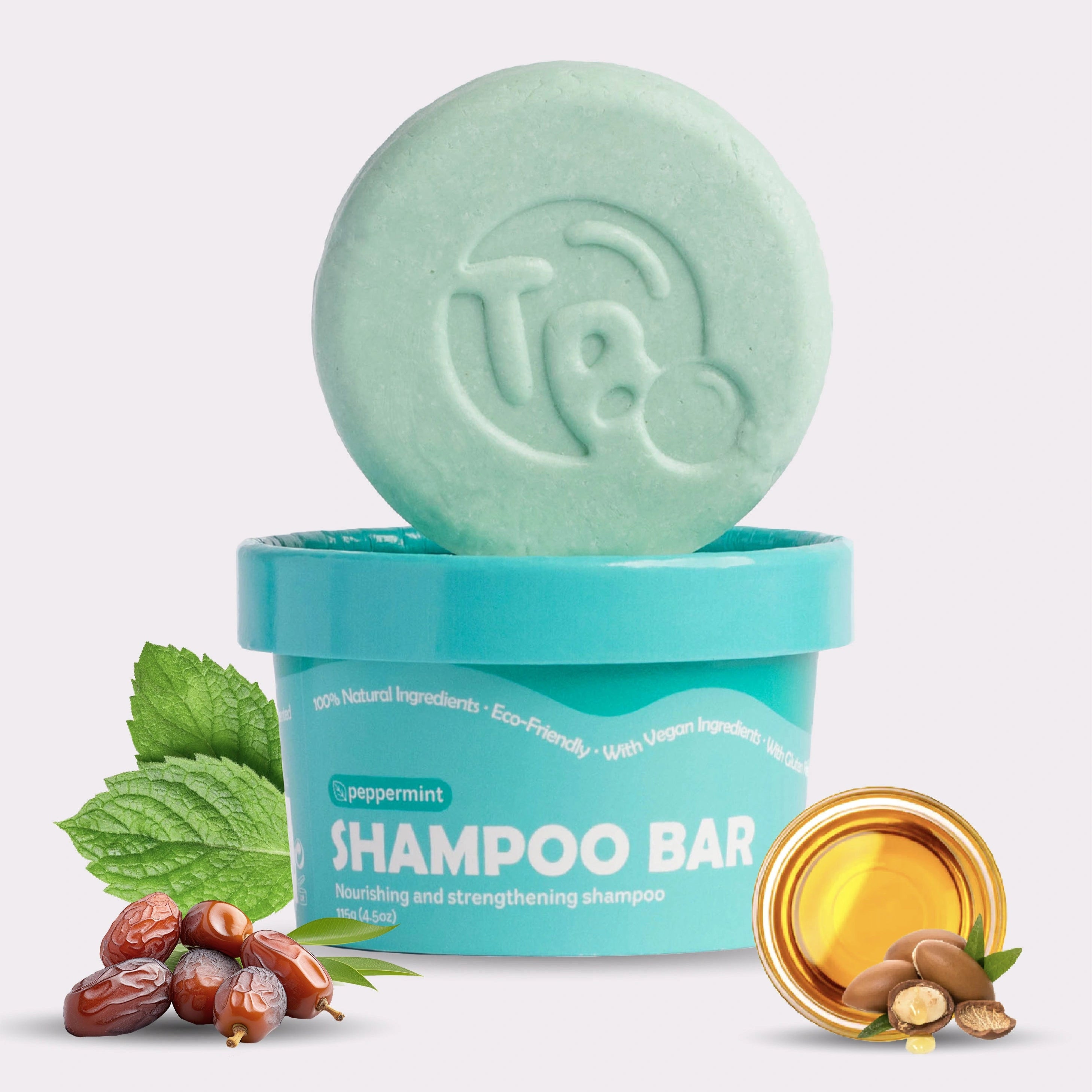
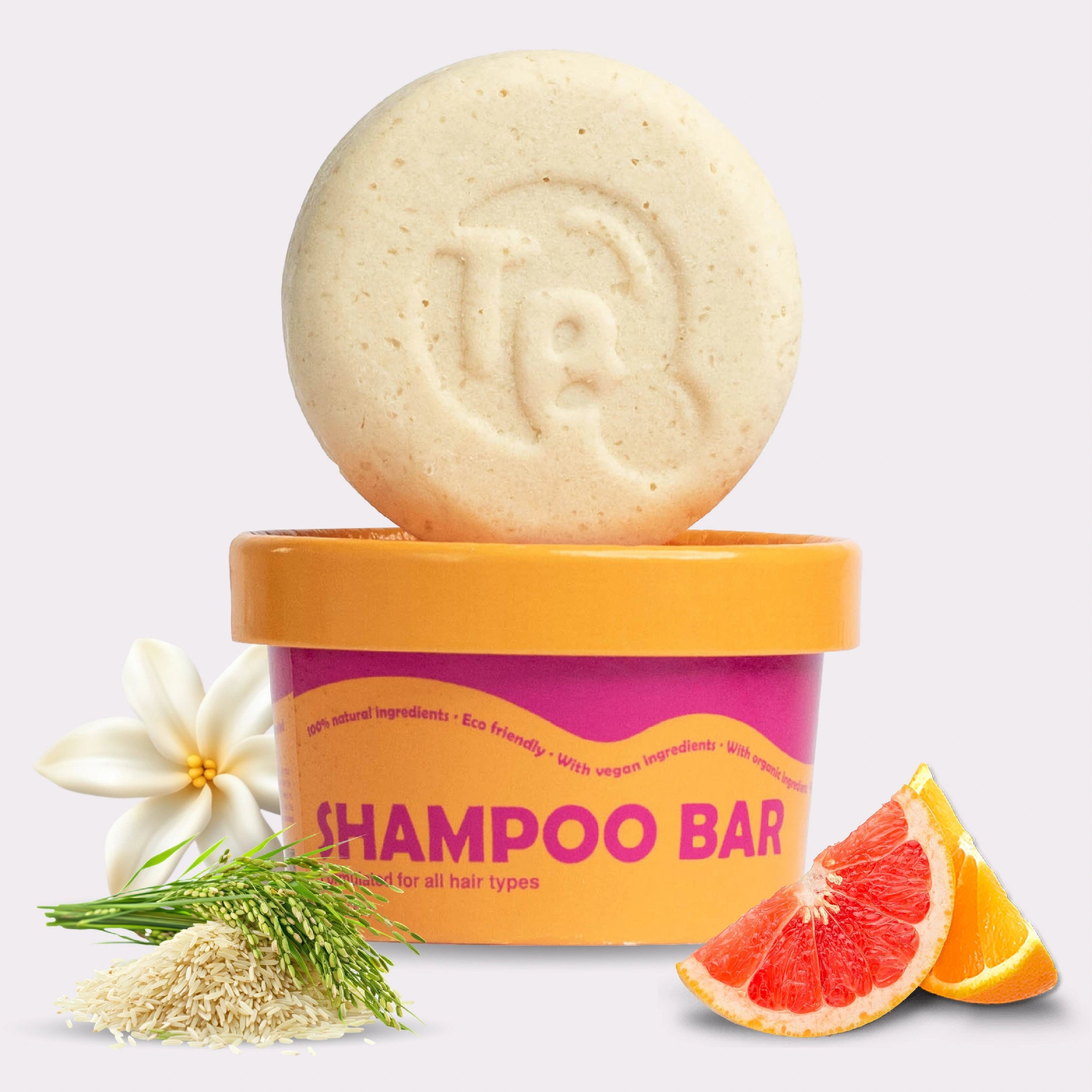
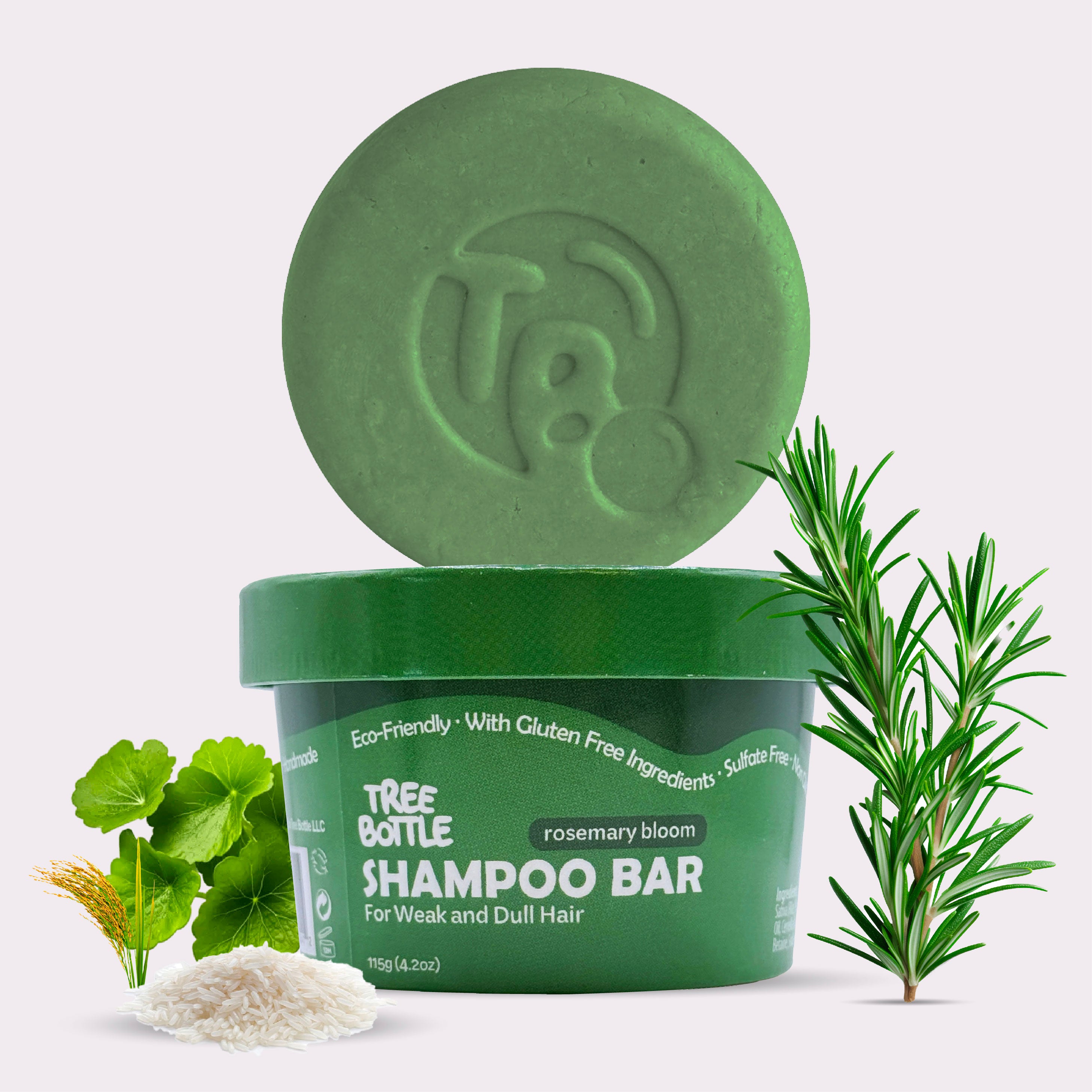
If you want to begin with a bar that aligns with hair growth goals, you can compare several Tree Bottle options. For example, you may explore a solid option like the castor oil biotin shampoo bar for hair growth. If your goal includes a fuller look, the rice water rosemary volumizing bar is designed with that visual outcome in mind. For frizz control and smoother manageability, the pro-vitamin B5 citrus shampoo bar can support everyday styling needs.
How to Use Shampoo Bars for Best Results
Proper use changes the entire experience. A common mistake is trying to use a dry bar directly on the scalp. Instead, soften the bar first and create lather in your hands, then apply the foam to your scalp. This method helps distribute the cleanser evenly and reduces the risk of uneven cleansing.
Use gentle fingertip massage to work the foam into your scalp. Avoid fingernails and aggressive scrubbing. Scalp massage can improve circulation and help you feel cleaner during the wash, which often supports consistent use.
Rinse thoroughly. Many bar users underestimate how much product buildup can remain if water does not fully dissolve the foam. Rinsing until the scalp feels light and clean helps prevent residue that can make hair look dull.
Drying and bar care
To preserve the bar and maintain performance, store it in a well-drained soap dish. Excess moisture can soften the bar too quickly. A dry storage habit also supports a stable lather and cleaner edges.
If you are transitioning from a liquid shampoo, expect a small adjustment period. Your hair may respond differently for the first few washes, especially if your previous routine left residue. Give the routine a short trial and observe changes in softness, manageability, and scalp comfort.

Bar lather technique and thorough rinse symbols
Building a Simple Routine
Hair growth shampoo bars work best when they support a complete routine. Shampoo addresses cleansing, but conditioning and scalp-friendly habits influence how hair behaves between washes. The best approach is to build a routine you can maintain without forcing extra steps.
Start with a wash schedule that matches your scalp. If your scalp gets oily quickly, you may need more frequent cleansing to keep the scalp comfortable. If your scalp stays dry, you may benefit from less frequent washes paired with careful conditioning.
Conditioning matters because it protects lengths and reduces breakage. Even if you focus on scalp support, your hair ends are still exposed to friction from brushing, drying, and styling. Using a compatible conditioner bar can help you maintain softness and reduce tangling.
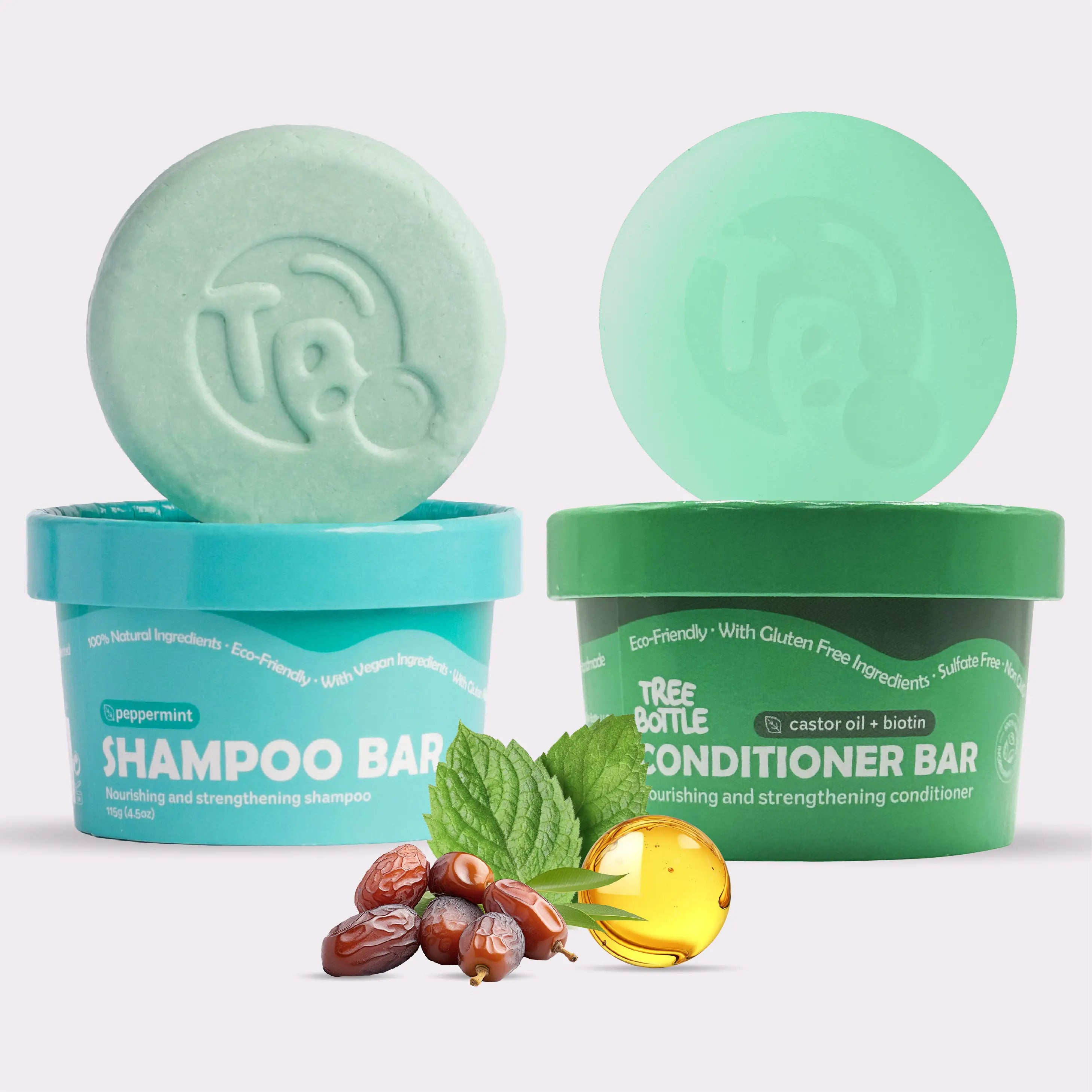
If you want a direct pairing, consider combining your shampoo bar with a supportive conditioner. For hair growth-focused routines, you may explore the castor oil biotin shampoo and conditioner bar set. For those who want smoother styling and frizz control alongside cleansing, the pro-vitamin B5 citrus shampoo and conditioner set can help create a consistent, easier-to-manage texture.
Small habits that complement your shampoo bar
- Detangle carefully: Use a wide-tooth comb after conditioning and avoid pulling.
- Limit heat when possible: Reduce flat iron and high-heat blow-drying frequency.
- Protect hair at night: Use a gentle routine such as a satin pillowcase or light hair wrap to reduce friction.
- Be mindful of scalp irritation: If you notice redness or persistent discomfort, adjust frequency and review ingredient fit.
FAQ
Are hair growth shampoo bars suitable for sensitive scalps?
They can be, but suitability depends on your specific sensitivity and ingredient preferences. Look for a bar that feels cleansing but not tight, and consider how your scalp responds across multiple washes. If you experience persistent irritation, discontinue use and choose a milder option.
How often should I use a hair growth shampoo bar?
A practical schedule is based on scalp comfort and oil level. Many people start with a frequency similar to their current shampoo routine, then adjust after observing how the scalp feels and how the hair behaves between washes.
Will switching from liquid shampoo to shampoo bars change results?
The format change may affect lather experience, rinse feel, and residue balance. The most important factor is whether the bar cleanses comfortably and supports manageability. A consistent routine, gentle scalp care, and compatible conditioning often have a greater impact than the format alone.
Final Thoughts & Recommendations
Hair growth shampoo bars can be a strong choice when you prioritize scalp comfort, balanced cleansing, and ingredient transparency. The most meaningful results come from a routine you can sustain: a consistent wash schedule, gentle massage, thorough rinsing, and conditioning that reduces friction. Choose a bar that matches your scalp needs and hair texture, then evaluate your experience over several weeks.
If you want to simplify your shopping while staying focused on your goal, start by comparing bar formulas for scalp support, volume, and frizz control within the Tree Bottle range. Then refine your routine based on how your hair feels, how it detangles, and how your scalp behaves. Soft recommendation: select one bar, use it consistently, and adjust only one variable at a time.
About the Author Section
Tree Bottle is a brand and content partner focused on hair care education and ingredient-driven routines. The team specializes in scalp-friendly cleansing systems, solid hair care formats, and practical guidance for everyday hair management. Their expertise emphasizes consistency, gentle care, and observable outcomes. Thank you for reading, and may your routine be both effective and sustainable.