

Updated on: 2026-07-14
A castor oil conditioner bar is a compact, rinse-off hair care option that can help you maintain softness, manageability, and a cleaner feel between washes. Conditioner bars are designed to deliver conditioning benefits with a concentrated formula and less packaging waste. When used correctly, they can complement your shampoo routine and support healthier-looking hair and scalp. This guide explains how conditioner bars work, what to look for, and how to choose one that fits your hair texture and goals.
- Overview of a Castor Oil Conditioner Bar
- Why Castor Oil Works in a Conditioner Bar
- Did You Know?
- Comparison: Pros & Cons
- How to Use a Conditioner Bar Correctly
- Buyer’s Checklist
- Final Thoughts & Advice
- Q&A Section
Overview of a Castor Oil Conditioner Bar
A castor oil conditioner bar is a solid conditioner designed to be rubbed into wet hair and rinsed out, leaving strands smoother and easier to detangle. Unlike traditional bottles that often contain a high portion of water, conditioner bars are typically more concentrated. This concentration can make your routine feel efficient, especially for travelers and people who prefer simplified bathroom storage.
Conditioner bars are also formulated to address common hair needs such as softness, slip, and frizz control. For many users, the goal is not just scent or feel; it is predictable results after rinsing. The best castor oil conditioner bar options focus on balancing conditioning ingredients with scalp-friendly cleansing and moisturizing support from the overall hair care routine.
From a sustainability standpoint, solid hair products can reduce the amount of single-use plastic in your regimen. That said, performance depends on technique. How you apply the bar, how long you leave it on, and how thoroughly you rinse all influence how your hair feels afterward.

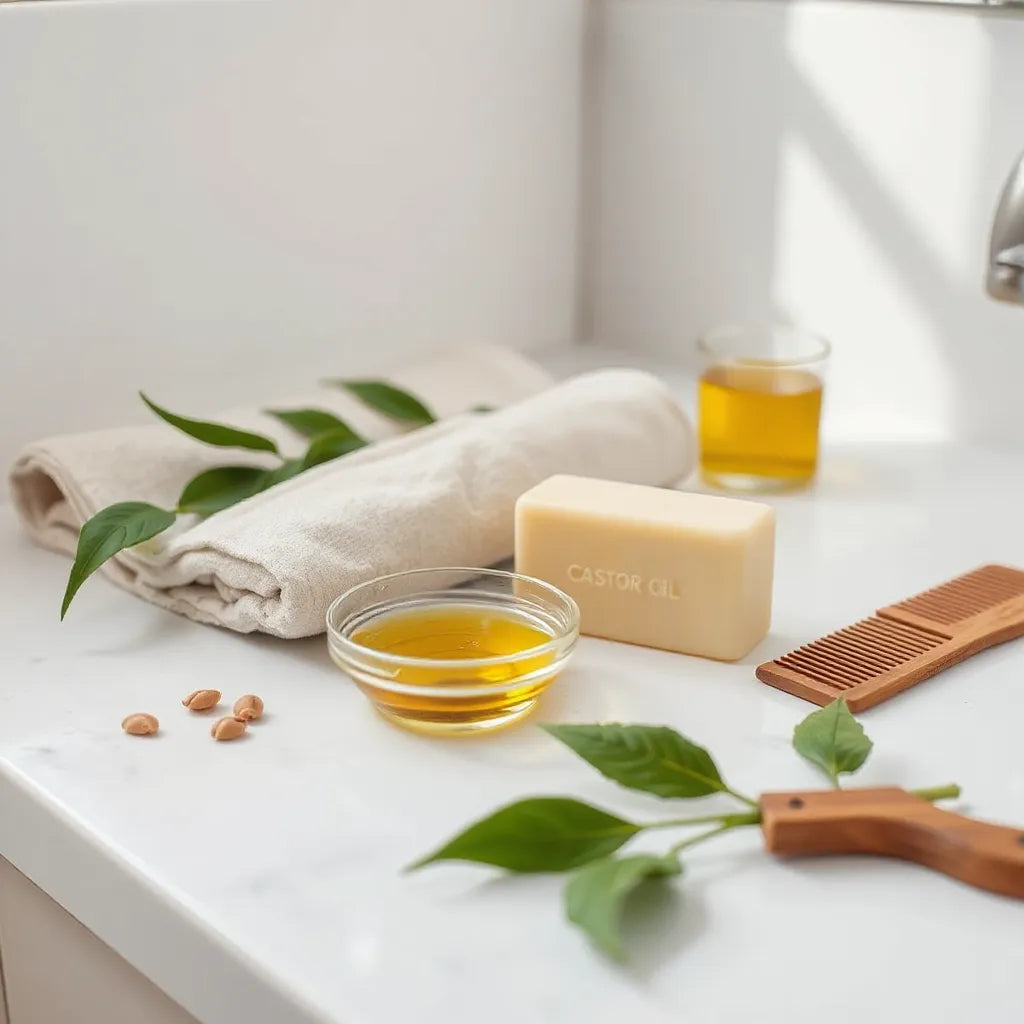
Conceptual bar-to-hair contact for smooth rinsing
Why Castor Oil Works in a Conditioner Bar
Castor oil is widely used in hair care because it is naturally rich in fatty acids. In a conditioner bar, it can help improve the way hair feels as you detangle and rinse. Many people notice better slip, which can reduce snagging when combing through wet hair.
However, it is important to treat castor oil as part of a broader formula rather than a single ingredient solution. Conditioner bars usually combine oils, emulsifiers, and conditioning agents to provide a coat on the hair shaft. That coat can make hair appear more uniform and manageable, which is especially helpful if you experience flyaways or rough texture.
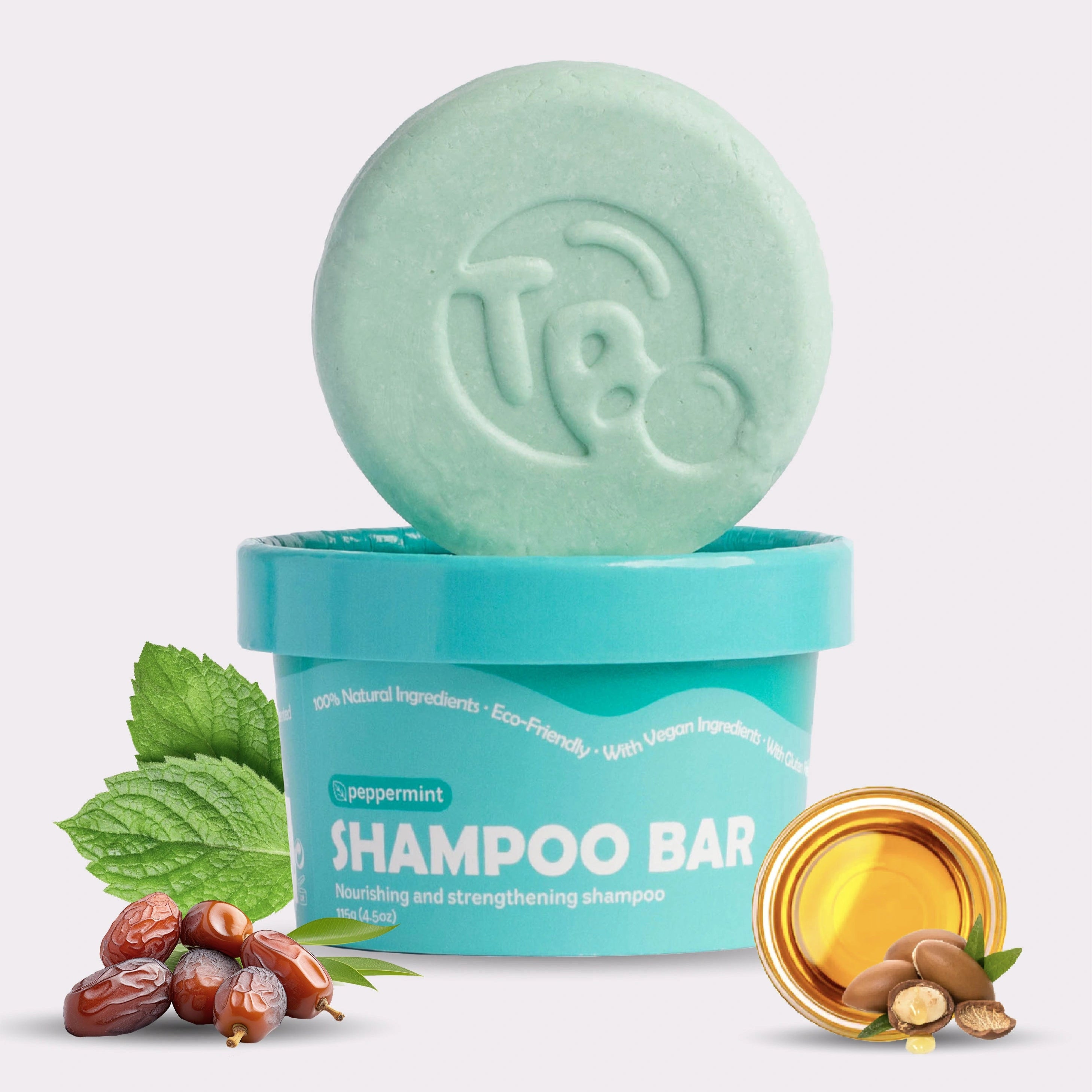
When selecting a castor oil conditioner bar, you may also want to consider additional ingredients that align with your goals. For example, peppermint essential oils are often used for a refreshing scalp sensation. They can pair well with a routine that includes gentle shampooing to support scalp comfort.
At times, users with color-treated hair or curly textures worry that a solid conditioner will feel too heavy or too light. The correct approach is to start with a small amount of product and adjust your method. If your hair tends to be easily weighed down, use lighter application and shorten the contact time. If your hair feels dry, increase coverage gradually.
Featured product:
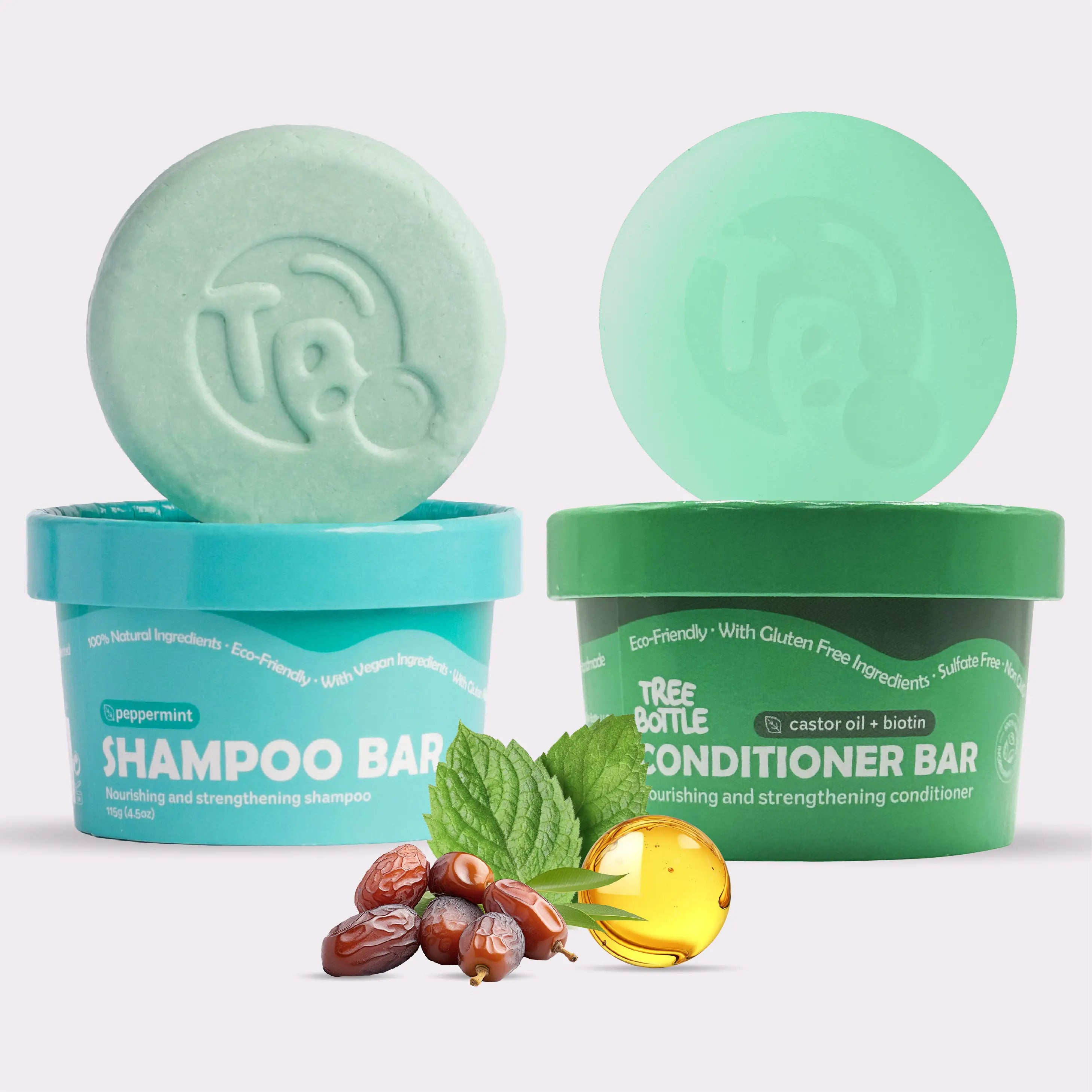
Castor Oil + Biotin Conditioner Bar with Peppermint Essential Oils - for Hair Growth

Shop the castor oil conditioner bar for hair growth
Did You Know?
- Conditioner bars are designed to create slip on wet hair, helping reduce tugging during detangling.
- Most people get better results when they apply conditioner on the hair lengths and ends rather than heavily on the scalp.
- Rinsing thoroughly is essential for a lightweight finish, especially for fine hair types.
- Because conditioner bars are concentrated, product usage can often be lower than with liquid conditioners.
- The bar shape supports travel use and can help maintain routine consistency across seasons.
Comparison: Pros & Cons
-
Pros
- Less packaging and easier storage due to a solid format.
- Concentrated formula can feel efficient per wash.
- Better control over application compared to pouring or squeezing.
- Often provides strong slip for detangling and smoother hair feel.
- Travel-friendly without bulky bottles.
-
Cons
- Requires correct usage technique for consistent results.
- May feel different than your current liquid conditioner until you adjust.
- Without a proper drain and drying setup, the bar can become soft.
- Some hair types may need more frequent rinsing to avoid buildup.
How to Use a Conditioner Bar Correctly
Correct technique often determines whether a castor oil conditioner bar feels luxurious or leaves hair feeling coated. Begin with clean, damp hair. Use your shampoo first and rinse well. Then apply conditioner while your hair is wet, when strands are most receptive to conditioning coverage.
For best results, focus on lengths and ends. Rub the bar between your hands to create a thin lather or glide the bar directly through the hair. Start with a light pass, especially if your hair is fine or prone to heaviness. Add more only if your hair needs extra slip or softness.
Next, distribute evenly. Use fingers to ensure the conditioning layer reaches the mid-lengths and ends, where dryness typically appears first. If your hair is thick or curly, you can part sections and reapply gently to avoid missed spots.
Let it sit briefly. A short contact time can work for most hair types. If your hair is very dry, you can allow a slightly longer contact, then rinse with clear water until no product residue remains. Incomplete rinsing is a common reason some users report dullness with solid conditioners.
Finally, dry the bar properly between uses. Store it in a ventilated soap dish that allows water to drain. This practice helps the bar maintain its shape and reduces mushiness over time.
Buyer’s Checklist
Choosing the right conditioner bar is more than selecting castor oil. Evaluate formulation details and match them to your hair and scalp needs. Use the checklist below to make an informed purchase.
- Ingredient alignment with your goals: Look for castor oil plus supporting conditioning ingredients. If you prefer a refreshed scalp experience, consider bars with peppermint essential oils.
- Hair type compatibility: For fine hair, prioritize a lighter feel and begin with a small amount. For dry or coarse hair, you can use a more thorough application.
- Scalp versus lengths: Ensure the product style you choose supports your routine. Conditioner is generally best on hair lengths and ends.
- Rinse behavior: Choose bars that rinse clean for a soft, non-greasy finish. If you experience buildup, adjust contact time and rinse thoroughly.
- Texture and slip: If you detangle often, prioritize formulas that support comb-through comfort.
- Package and bar handling: Even the best castor oil conditioner bar needs good drainage. Pair it with a suitable soap holder if your bathroom environment stays humid.
- Routine pairing: Conditioner performance depends on your shampoo. If you want a consistent system, consider exploring matching shampoo bars.
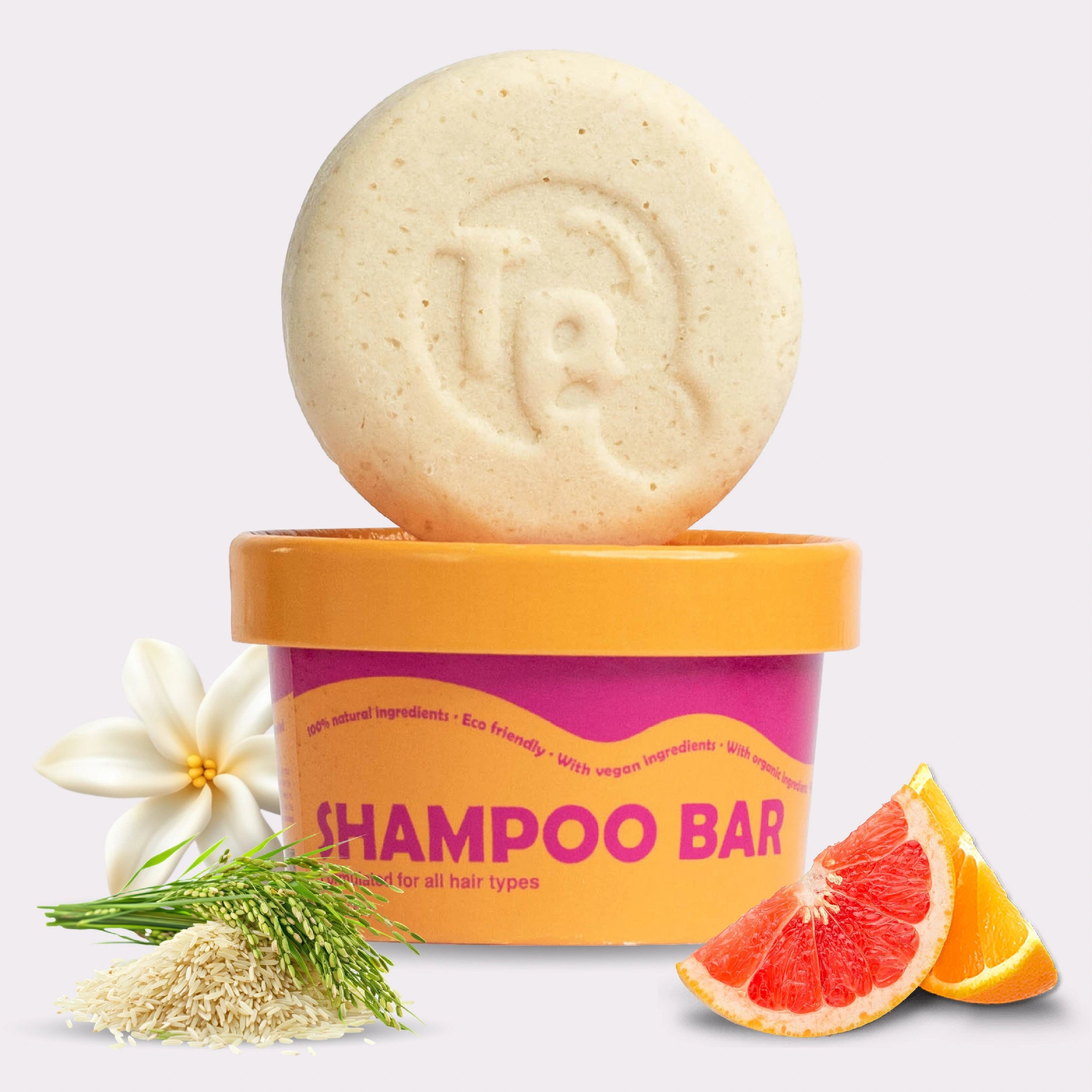
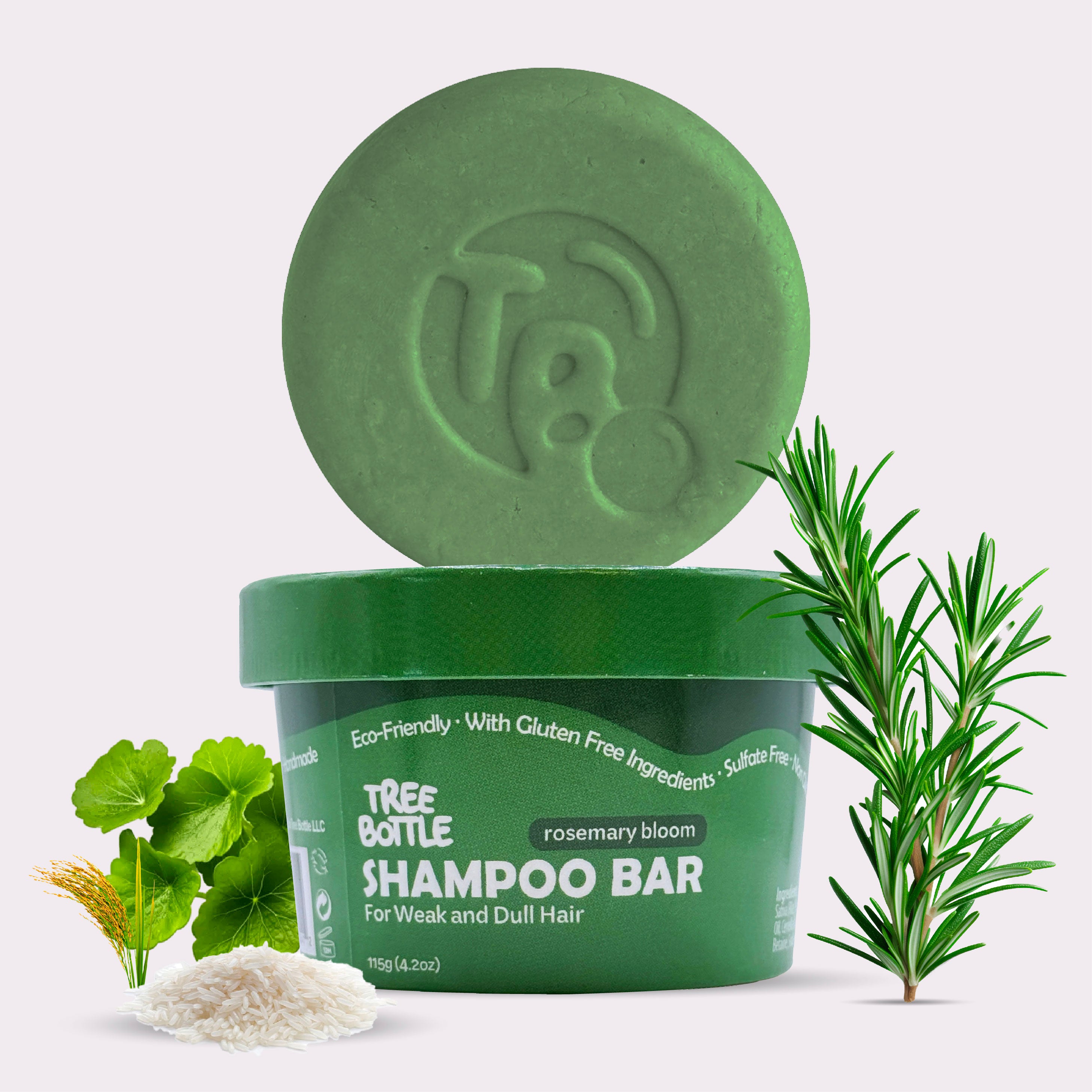
If your hair care goals include volume and manageability, you may also consider a volumizing shampoo bar such as rice water rosemary shampoo bar. For frizz-prone or shiny-focused routines, pro vitamin B5 citrus shampoo bar can provide a balanced starting point.

Checklist icons for ingredients, rinse, and technique
Final Thoughts & Advice
A castor oil conditioner bar can be a practical upgrade for people who want a simplified routine with strong conditioning feel. The value is not only in the ingredient profile but also in the consistency of use. When applied to wet hair, distributed through the lengths, and rinsed thoroughly, the formula can help hair feel softer and more manageable.
To get stable results, treat your first few washes as a learning period rather than a final verdict. Adjust the amount used, contact time, and rinse speed. If you notice heaviness, reduce product and rinse longer. If you notice dryness, increase coverage slightly and focus on ends.
For shoppers who want a complete hair routine, consider pairing your conditioner bar with a compatible shampoo bar to reduce friction and improve overall performance. This approach supports a smoother hair feel across multiple wash days.
When you are ready, evaluate your priorities and choose a conditioner bar that matches your hair texture and scalp comfort needs. A well-chosen bar should leave hair feeling clean, touchable, and easier to style.
Q&A Section
Is a castor oil conditioner bar suitable for daily or frequent washing?
Many people can use a castor oil conditioner bar with frequent washing, but the best outcome depends on how your hair reacts and how thoroughly you rinse. Use a smaller amount for fine hair and keep the application mainly on lengths and ends. If you experience buildup or stiffness, reduce contact time and confirm that rinsing is complete.
Where should I apply conditioner when using a solid bar?
Conditioner bars generally perform best on damp hair lengths and ends. Applying heavily at the scalp can be unnecessary and may make hair feel heavy. For fine hair or oily scalps, focus on mid-lengths and ends, then rinse fully to maintain a light finish.
How do I prevent a conditioner bar from becoming overly soft?
Storage matters. Keep the bar in a ventilated, draining soap dish so water does not pool around it. After rinsing, shake off excess water and allow the bar to air-dry between uses. This habit helps preserve shape and improves consistency across washes.
How can I tell if I am using too much conditioner?
If hair feels coated, dull, or difficult to style after rinsing, reduce the amount of bar you use. You can also shorten contact time and increase rinse duration. Fine hair types often need less product than thick or coarse textures.
Can I use a castor oil conditioner bar with a shampoo bar routine?
Yes. Conditioner bars are designed to integrate well with solid shampoos. For best results, rinse shampoo thoroughly, then apply conditioner to wet hair. If your shampoo is very clarifying, you may need slightly more conditioning coverage on ends, but the rinse quality should remain consistent.
What should I look for if I want scalp comfort?
If scalp comfort is a priority, look for conditioner bar formulas that include soothing or refreshing components such as peppermint essential oils. Keep the application focused on the hair rather than pressing heavily into the scalp. If you have sensitive skin, test with a small routine and discontinue if irritation occurs.
Is a castor oil conditioner bar better than liquid conditioner?
Neither format is universally better. A conditioner bar can be highly effective when your technique is consistent and the bar rinses clean. Liquid conditioners may feel more familiar and can be easier to portion. The best choice is the one that delivers the results you want with a routine you can maintain.
How long should I leave the conditioner on my hair?
Start with a short contact time and adjust based on your hair texture. If your hair is dry, you can extend the contact slightly, then rinse thoroughly. If your hair becomes heavy or stringy, reduce contact time and use less product next wash.
Does using a conditioner bar reduce hair breakage?
Conditioner bars can support detangling comfort by increasing slip during combing and reducing snagging. Lower friction can help minimize breakage from mechanical stress, provided you detangle gently and do not pull when hair is dry.
Can I switch to a castor oil conditioner bar if I use styling products?
Yes, but you should ensure the bar is rinsed thoroughly so it does not interact with product buildup. If you use heavy styling products, consider rinsing well after conditioning. Over time, you can evaluate whether your wash frequency and shampoo choice keep your scalp and hair clean.
Should I use a rinse-out conditioner only at the ends?
Often, yes. For most hair types, conditioning is most needed on the mid-lengths and ends where dryness is most noticeable. You can apply lightly on the rest of the hair if it feels rough, but avoid dense application near the scalp.
How does the scent typically affect results?
Scent does not directly determine conditioning performance, but it can influence your satisfaction with the product. If you are sensitive to fragrance, choose a bar with a fragrance level that feels comfortable and monitor scalp response. Focus on clean rinse behavior and hair feel as your primary indicators.
What is the most important step after conditioning?
Rinsing. A complete rinse helps prevent residue buildup that can make hair feel flat or coated. After rinsing, blot or towel-dry gently, then style as usual. This final step supports softness without unnecessary weight.
Where can I find a conditioner bar that includes castor oil and peppermint?
You can consider Castor Oil + Biotin Conditioner Bar with Peppermint Essential Oils - for Hair Growth from Tree Bottle. It is formulated for a conditioning routine that emphasizes hair manageability and a refreshing scalp feel.
Does biotin change how a conditioner bar works?
Biotin is often included in hair care products for its popularity in hair routines. Conditioner performance, however, is still driven by conditioning base ingredients and how the product coats and rinses from the hair shaft. Use technique and rinse quality as your main measures of effectiveness.
Can I use this conditioner bar on color-treated hair?
Many people use conditioner bars on color-treated hair without difficulty, but hair care results vary by formula and routine. If you color frequently, choose a conditioner bar that rinses clean and keep application consistent on lengths and ends. Patch testing is a prudent approach if you have sensitivity concerns.
About the Author
Tree Bottle Editorial Team
Tree Bottle is a brand focused on practical, ingredient-aware hair care solutions. Our team reviews product performance, routines, and ingredient roles so customers can choose confidently. With expertise in solid hair care formats, we help you build a consistent regimen that fits your hair texture and daily schedule. Thank you for reading, and we wish you a smoother, more manageable hair routine.
Disclaimer: This article is for general informational purposes and does not provide medical advice. Hair care results vary by individual. If you have a sensitive scalp or an adverse reaction to any ingredient, discontinue use and consult a qualified professional.