
Updated on: 2026-07-14
Choosing the right Peppermint essential oil conditioner can improve how hair feels and looks between washes. Peppermint oil is often used to support a refreshing scalp sensation, while conditioners help smooth strands and reduce tangles. When you apply conditioner correctly, you can better manage frizz, dryness, and breakage. This guide explains how to select ingredients, apply safely, and build a simple routine that fits your hair type.
1. What a Peppermint Essential Oil Conditioner Really Does
2. How to Choose the Right Conditioner for Your Hair
3. How-To Guide: Use a Peppermint Conditioner Effectively
What a Peppermint Essential Oil Conditioner Really Does
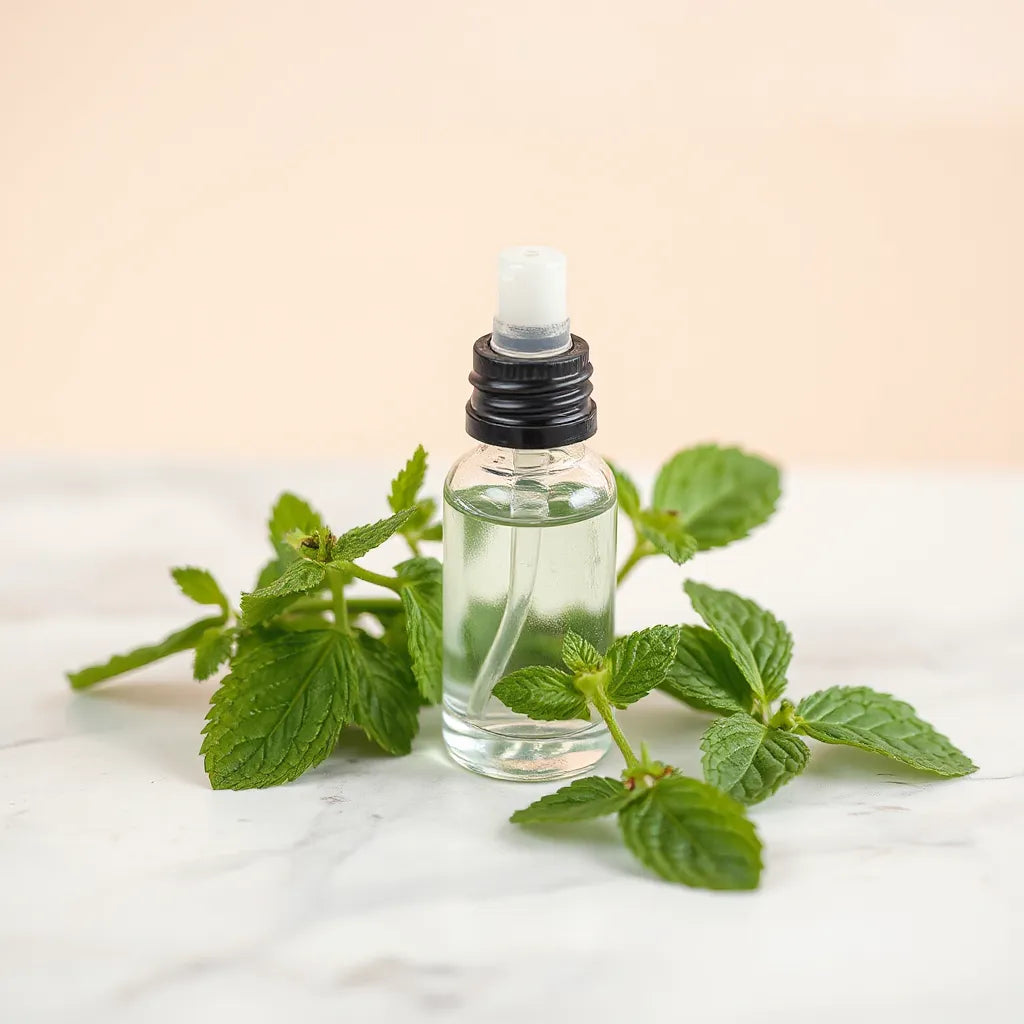
A Peppermint essential oil conditioner is designed to combine the benefits of conditioning with the aromatic and sensorial qualities of peppermint. The conditioner part is what supports detangling, softness, and smoother hair texture. The peppermint component is commonly used for its cooling, refreshing feel on the scalp during application and rinse-off.
It is important to distinguish sensation from results. A refreshing experience does not automatically mean your hair will grow faster. However, a well-formulated conditioner can contribute to healthier-looking hair by improving manageability. When strands are easier to detangle, you reduce stress during brushing and styling. This helps keep the hair shaft less prone to snapping and helps your routine feel more effective.
In practice, a peppermint conditioner can be useful for people who experience scalp oiliness, product buildup, or a “heavy” feeling after washing. Conditioning still matters because the scalp and hair need balanced care. The goal is to cleanse appropriately, then condition in a way that supports softness without weighing the hair down.

Stylized scalp waves and glossy strands to show comfort
Key benefits you can expect from conditioning
Better slip for detangling: Conditioner helps loosen knots so you can comb with less pulling.
Reduced roughness: Smoothness improves shine and makes hair feel softer.
Frizz control: Proper conditioning can reduce flyaways and uneven texture.
Improved wash-day experience: When hair rinses clean and feels light, you are more consistent.
How to Choose the Right Conditioner for Your Hair
Not every peppermint conditioner is formulated the same way. Selecting the right Peppermint essential oil conditioner depends on your hair type, scalp needs, and the way you wash. Start by reviewing the ingredient approach. Look for conditioners that focus on humectants, emollients, and detangling agents rather than relying only on fragrance or essential oils.
Match your conditioner to your hair goals
If your hair is dry or coarse: prioritize conditioning ingredients that soften the hair cuticle and improve softness.
If your hair is fine or easily weighed down: choose a lighter formula and apply carefully, focusing mainly on mid-lengths and ends.
If your scalp feels oily or itchy: consider peppermint for a refreshing sensation, but ensure the base conditioner supports comfort and rinse cleanliness.
If you color or heat style: look for conditioning that improves smoothness to reduce tangles after washing.
Check how essential oils are positioned in the formula
Essential oils can be beneficial for sensorial effects, but formulations differ in how they are included. Choose a conditioner where peppermint is part of a broader care system, not the only feature. If you have sensitive skin, you should test and patch-check before full use.
Consider bar vs. liquid conditioners
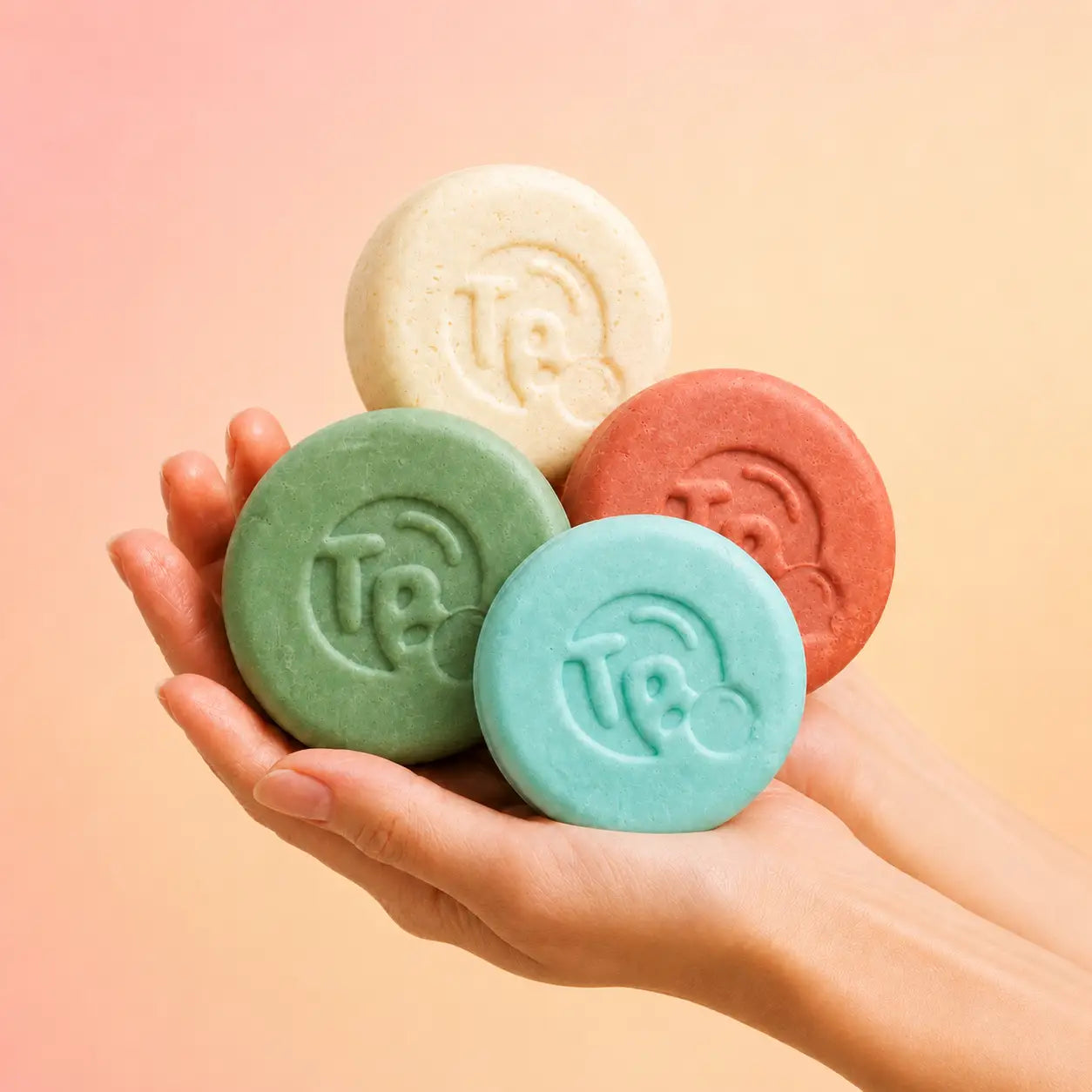
Many people choose bar conditioners because they often feel simple to use and can be convenient for travel. A bar conditioner typically concentrates conditioning ingredients in a compact format. Regardless of format, the critical factor is coverage and correct application. A consistent amount, evenly distributed, helps the conditioner do its job.
How-To Guide: Use a Peppermint Conditioner Effectively
To get the best results from a Peppermint essential oil conditioner, your technique matters. Conditioner works on the hair shaft primarily, and peppermint is typically most noticeable during massage and rinse. Use the following steps for a routine that feels consistent and controlled.
Step 1: Prep with clean, well-rinsed hair
Start with freshly washed hair. A clear rinse helps prevent conditioner from trapping residue on the scalp. If your shampoo leaves any film, the conditioner may feel heavier or less effective.
Step 2: Apply in the right zones
Use conditioner from mid-lengths to ends. For scalp comfort, you may apply a small amount higher up if your scalp tolerates peppermint well. If your scalp is sensitive, focus on lengths and keep the root area minimal.
Step 3: Massage gently, then detangle
Massage the conditioner into your hair with controlled, light pressure. After a brief massage, use a wide-tooth comb to detangle. This ensures even distribution and prevents unnecessary tugging.
Step 4: Keep contact time moderate
Allow the conditioner to work long enough to soften hair. A short, consistent contact time is often enough when the formula is designed for daily or regular use. Do not overextend if you notice buildup or a heavy feel.
Step 5: Rinse thoroughly for a lighter finish
Rinse until water runs clear. Thorough rinsing reduces residue and helps hair feel bouncy rather than coated. If hair still feels rough after rinsing, adjust technique or reduce how much product you use next time.
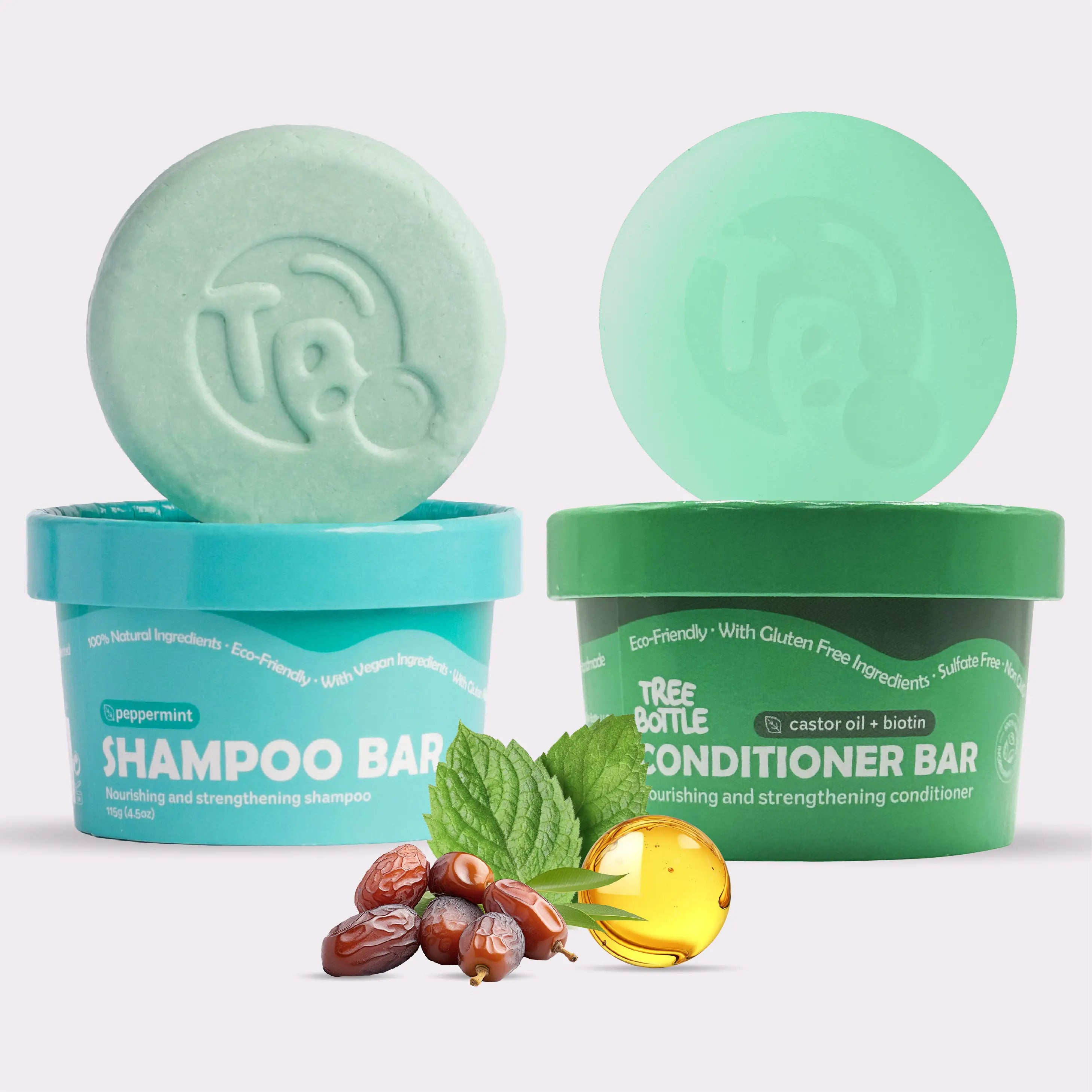
Castor Oil + Biotin Conditioner Bar with Peppermint Essential Oils - for Hair Growth Castor Oil + Biotin Conditioner Bar
How to adapt the method to your texture
Wavy to curly hair: apply more to ends and use finger detangling first, then a wide-tooth comb.
Coily hair: section hair for more even coverage and detangle gently in smaller passes.
Straight hair: keep application light near the scalp to avoid flatness.
When to Use It and How Often
A Peppermint essential oil conditioner is typically used after shampoo as a standard part of a wash routine. Frequency depends on how quickly your hair gets dry, how your scalp behaves, and the amount of styling products you use.
For many people, using conditioner every wash is appropriate because conditioning supports texture and makes daily handling gentler. If your hair becomes weighed down, reduce application near the scalp or lower the amount used. If your ends remain dry, focus more product on lengths and consider adjusting rinse thoroughness rather than skipping conditioner entirely.
Signs you may need to adjust frequency
Hair feels dry or tangled: increase conditioning time or apply more to ends.
Hair feels coated or flat: reduce product amount or rinse longer.
Scalp sensation feels too strong: use less product on the scalp and ensure your skin tolerates peppermint.
Visual comfort matters
Because peppermint is often chosen for the sensory refresh effect, the most consistent experience typically comes from steady technique. Use the same steps each time, adjust only one variable, and observe how your hair responds over several washes.

Timing icons over a hair strand to show rinse control
Common Mistakes to Avoid
Even a high-quality Peppermint essential oil conditioner can underperform when applied incorrectly. Avoid these issues to keep your results stable and predictable.
Mistake 1: Applying too close to the scalp with heavy coverage
If your hair is fine or your scalp tends to get oily, heavy root application may lead to flatness. Use minimal product at the roots and concentrate on mid-lengths and ends.
Mistake 2: Skipping detangling before rinsing
Conditioner softens hair and improves slip. Detangle while hair is coated so you can comb with less stress. Brushing after rinsing, when the hair is drier, can increase breakage risk.
Mistake 3: Rinsing too quickly
Insufficient rinsing can leave a residue feel. This can reduce lift and make hair look less fresh. Rinse thoroughly, especially if you use leave-in products.
Mistake 4: Using the wrong pair with your shampoo routine
Conditioner works best when it pairs with a compatible wash routine. If your shampoo is strongly clarifying, a more nourishing conditioner can help restore softness. If your shampoo is gentle, keep conditioner balanced rather than excessive.
Optional routine pairing for smoother hair
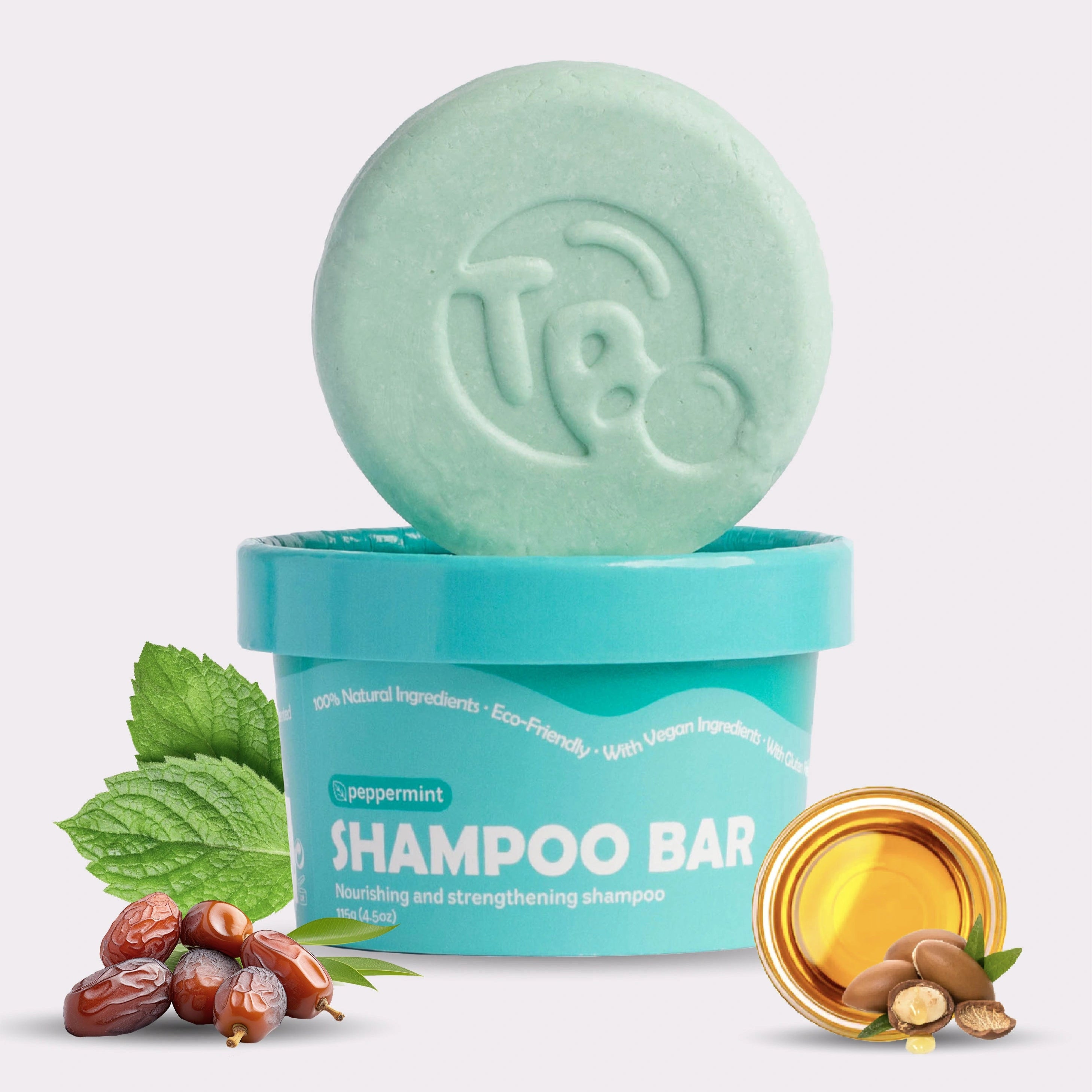
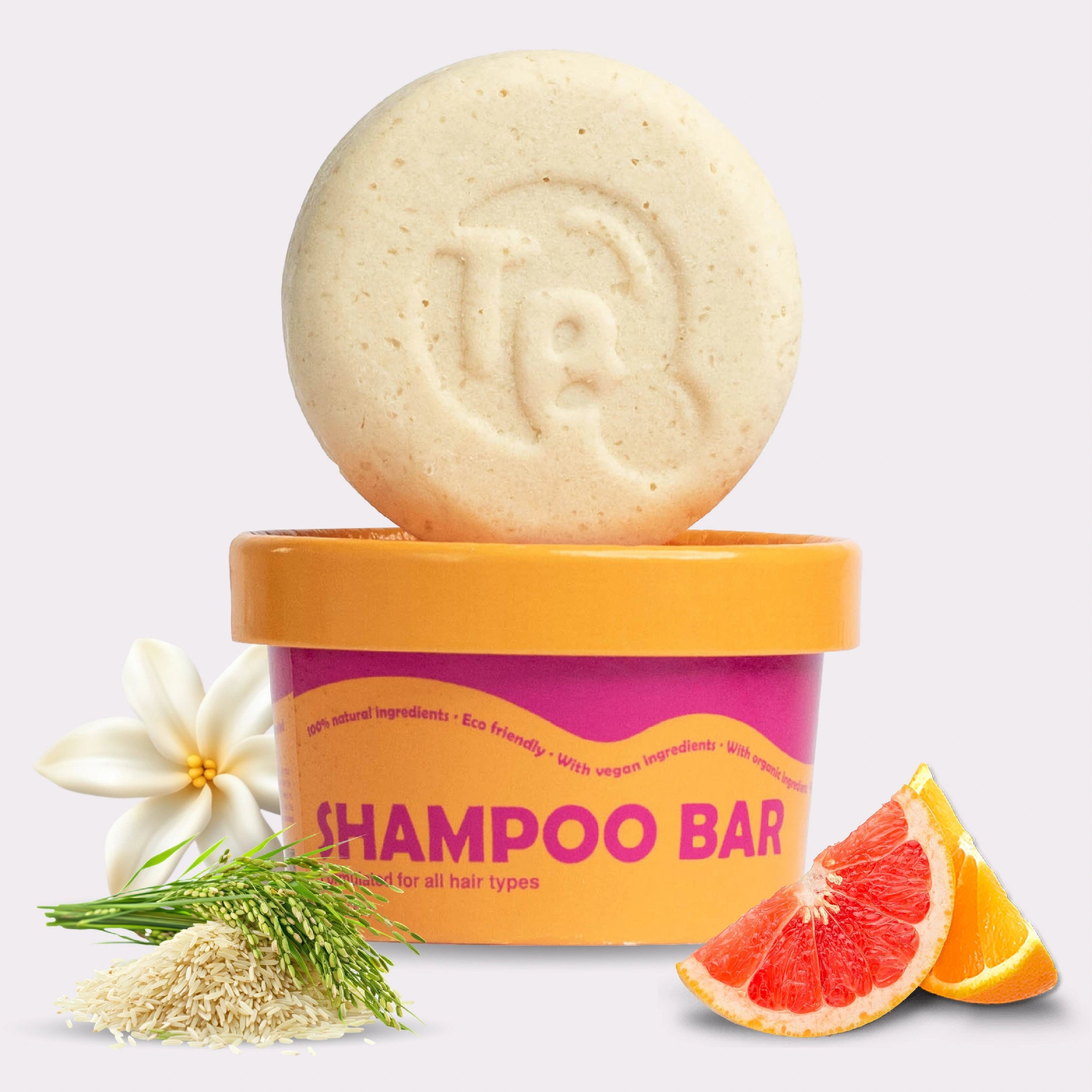
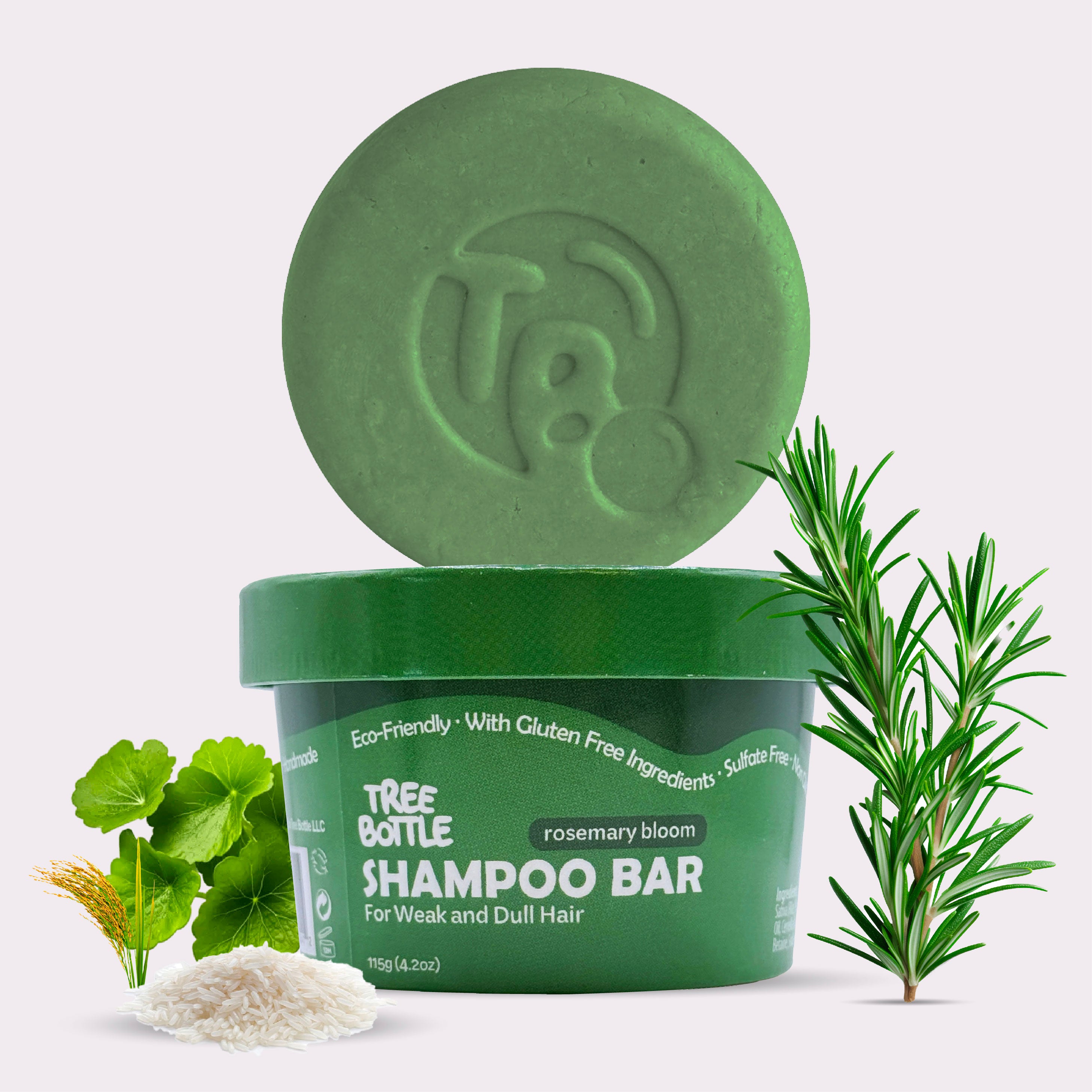
If you want an easy way to build a balanced routine, consider selecting shampoo bars designed for your main hair needs and then follow with a conditioning bar. For example, you can pair a frizz-focused conditioner approach with a shampoo bar intended for shine and smoothness.
Common Questions Answered
Is Peppermint essential oil conditioner suitable for all hair types?
In most cases, a peppermint conditioner can work for many hair types because conditioning benefits apply across textures. The key is adjusting where you apply it and how much you use. Fine hair may need lighter root coverage, while dry or curly hair often benefits from extra conditioning on the ends.
Can peppermint conditioner help with scalp comfort?
Peppermint is commonly used for its cooling and refreshing sensorial effect. For some people, this can make the scalp feel more comfortable during washing. If your scalp is sensitive, begin with a small amount and focus mostly on lengths rather than the root area.
How do I prevent my hair from feeling heavy after conditioning?
Use an appropriate amount and apply mainly to mid-lengths and ends. Rinse thoroughly until water runs clear. If you still notice a coated feel, reduce contact time or shift to a smaller portion on the scalp area. Consistency in technique often resolves the issue.
What should I do if I notice irritation?
Stop use and allow the scalp and hair to rest. If irritation continues, consult a qualified healthcare professional. Essential oils can cause sensitivity for some individuals, so patch testing is a prudent step before regular use.
Summary & Next Steps
A Peppermint essential oil conditioner can be a practical choice for people who want conditioning benefits and a refreshing wash-day feel. To get reliable results, focus on correct placement, gentle detangling, moderate contact time, and thorough rinsing. These steps help hair stay smoother and easier to manage, which can reduce stress during styling.
Next, evaluate how your hair responds after a few washes. If you notice flatness, reduce root application and refine rinsing. If your ends feel dry, concentrate conditioner on lengths and ensure detangling is done while hair is coated. When you are ready to refine your routine, select a conditioner that aligns with your hair needs and wash style.
If you want additional pairing ideas, review conditioning and shampoo options on a matched shampoo and conditioner set for a streamlined routine.
About the Author
Tree Bottle contributes expertise in hair care formulation strategy, ingredient balance, and routine design. The approach emphasizes clear, practical steps that support healthier-looking hair through consistent washing and conditioning. With a focus on everyday usability and safe application methods, Tree Bottle aims to help readers build routines that align with their hair texture and scalp comfort. Thank you for reading.