
Updated on: 2026-08-25
A shampoo bar for thicker hair can support a balanced wash routine without the clutter of plastic bottles. Many people choose this format to simplify hair care while maintaining consistent scalp cleansing. The right bar can help remove buildup, improve feel, and encourage a fuller look. This guide explains how shampoo bars work, how to choose one for thicker-looking hair, and what to watch during use.
What a shampoo bar is and how it affects hair
Why a shampoo bar can support thicker-looking hair
Common mistakes when switching to bar shampoo
Buyer’s checklist for thicker-hair results
How to use shampoo bars for the best volume and feel
Visual guide: building a cleaner scalp routine
What a shampoo bar is and how it affects hair
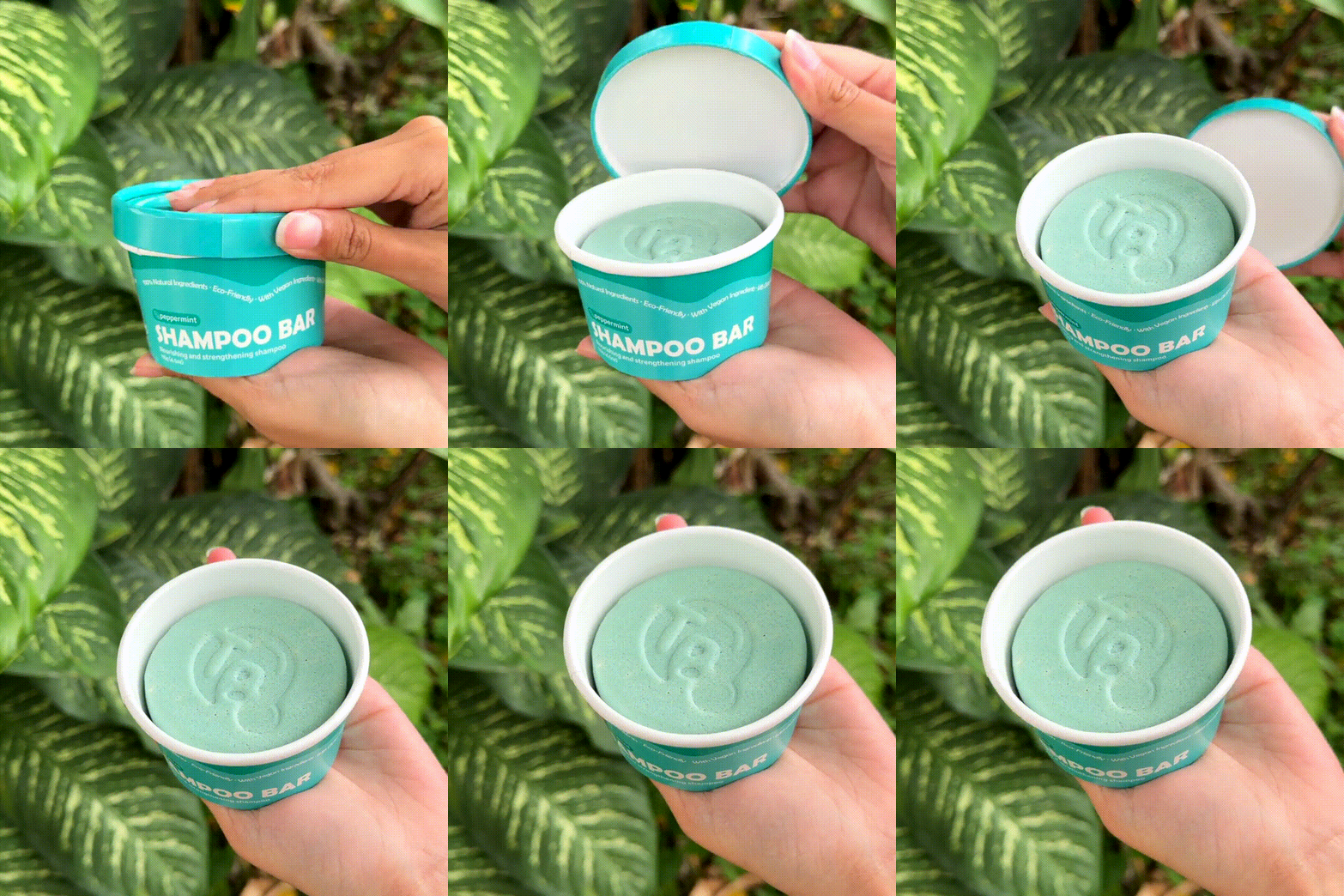
A shampoo bar is a solid cleansing product used like liquid shampoo. It contains surfactants that lift oil, sweat, and residue from the scalp and hair strands. Because it is formulated to be used with water, the bar must soften and spread during application. When used correctly, it can deliver a thorough cleanse with less packaging than standard bottles.
For hair that appears fine or flat, the most noticeable difference is often not “thicker” hair growth in a direct sense, but a cleaner scalp and a better hair feel. When residue decreases, strands can separate more easily. That separation can improve lift at the roots and create a fuller overall look.
What changes when you switch from liquid
Some people expect instant results. In practice, a transition period is common. Liquid shampoos may leave certain film-forming components behind. A shampoo bar can feel different because its cleansing base and application method differ. With regular use, the hair and scalp typically respond to the new routine.
Why a shampoo bar can support thicker-looking hair
A shampoo bar for thicker hair is often selected to address two factors: scalp clarity and strand texture. A clean scalp reduces the visual impact of buildup that can weigh hair down. It also helps hair styling products perform more predictably.
In addition, a solid format encourages portion control. You can lather with less product than you might pour from a bottle. That matters because heavy dosing is a frequent reason for limp hair. When less residue accumulates, hair may feel lighter and look more voluminous.
It is also worth considering your washing pattern. If you only cleanse occasionally, buildup can build over time. A bar shampoo used consistently can support a more even baseline for shine, softness, and lift. Results vary by hair type, but the logic is stable: cleaner roots typically create a fuller look.
Volume is not only about cleanser strength
Volume is shaped by many elements: water quality, rinse thoroughness, and whether conditioner is applied too high on the scalp. A shampoo bar for thicker hair can help, but pairing it with a compatible routine often determines the final outcome.

Hands creating lather and rinsing away scalp buildup
Key ingredients to look for
Choosing a bar should be based on ingredients that support scalp health, cleansing balance, and a manageable hair feel. Rather than chasing one “miracle” ingredient, prioritize a thoughtful combination that suits your hair goals.
For lift and a fuller look
- Gentle surfactants: help cleanse without leaving the hair coated.
- Conditioning agents: can reduce roughness so strands do not tangle and clump.
- Plant extracts: may complement the cleansing process by supporting a healthier scalp environment.
For thicker-feel texture
- Hydration support: when hair is too dry, strands can break or feel coarse, which can reduce the appearance of thickness.
- Film-friendly moisturizers: the goal is softening without heaviness.
- Balancing nutrients: some formulas include vitamin-supporting elements and botanicals that match the routine.
One strategic product to consider
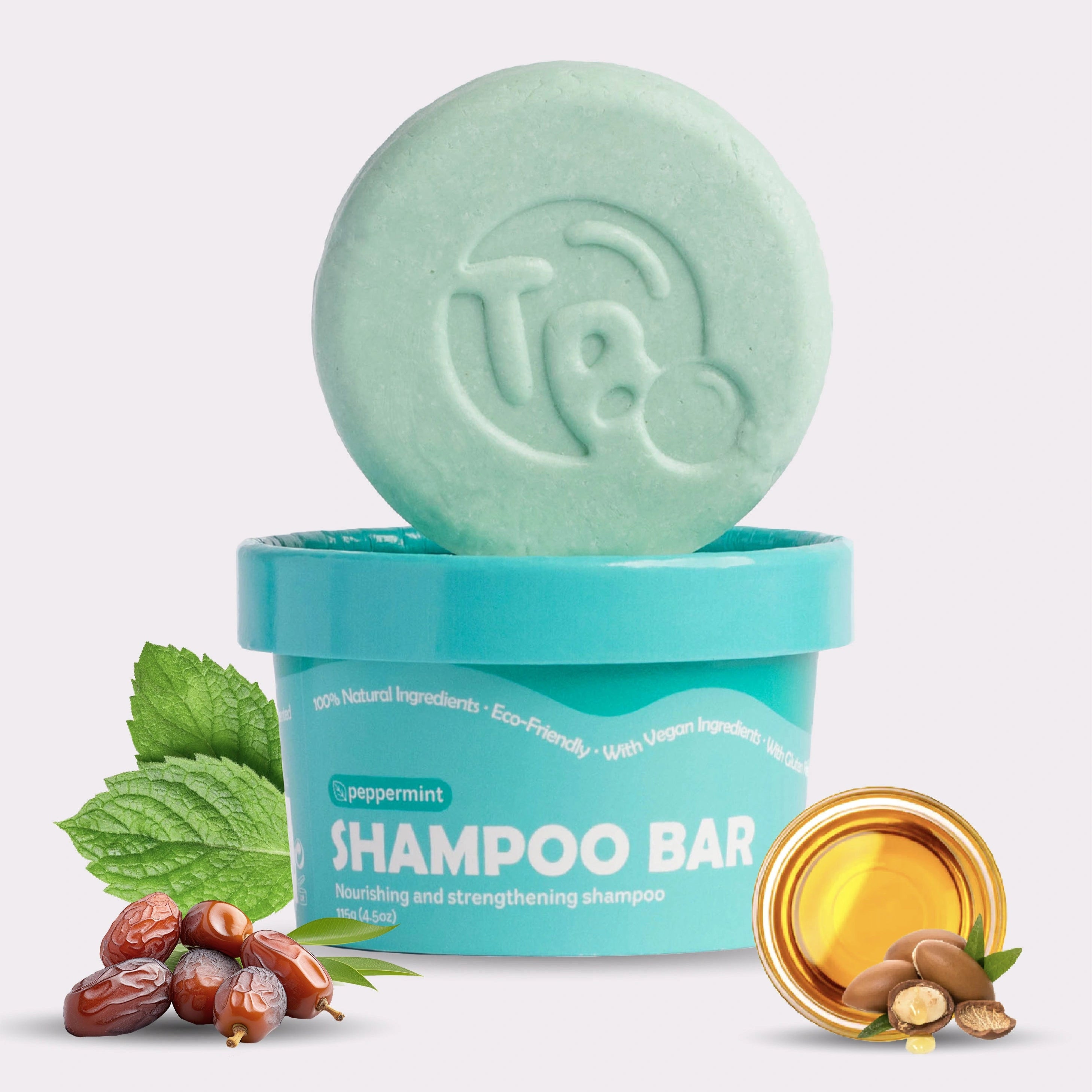
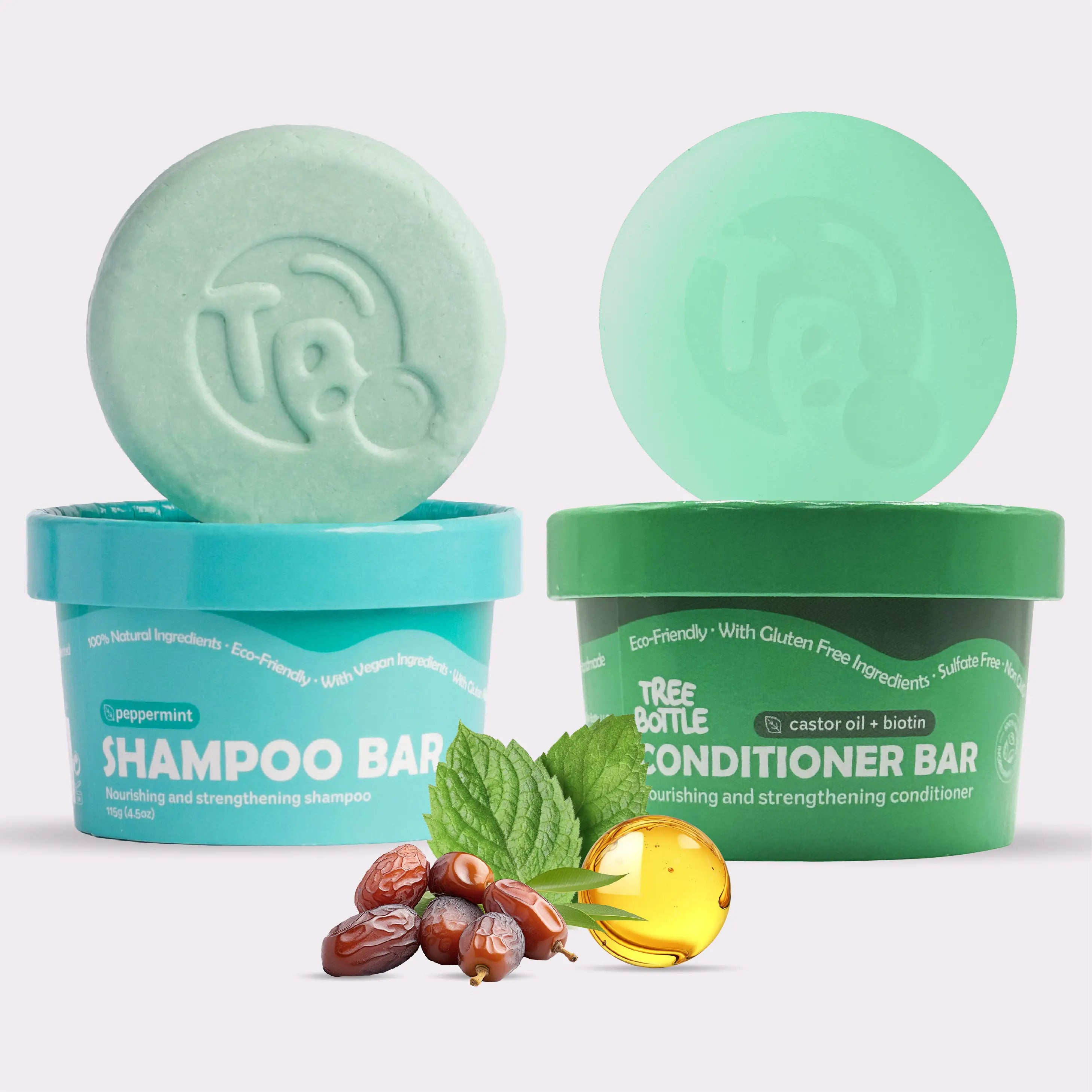
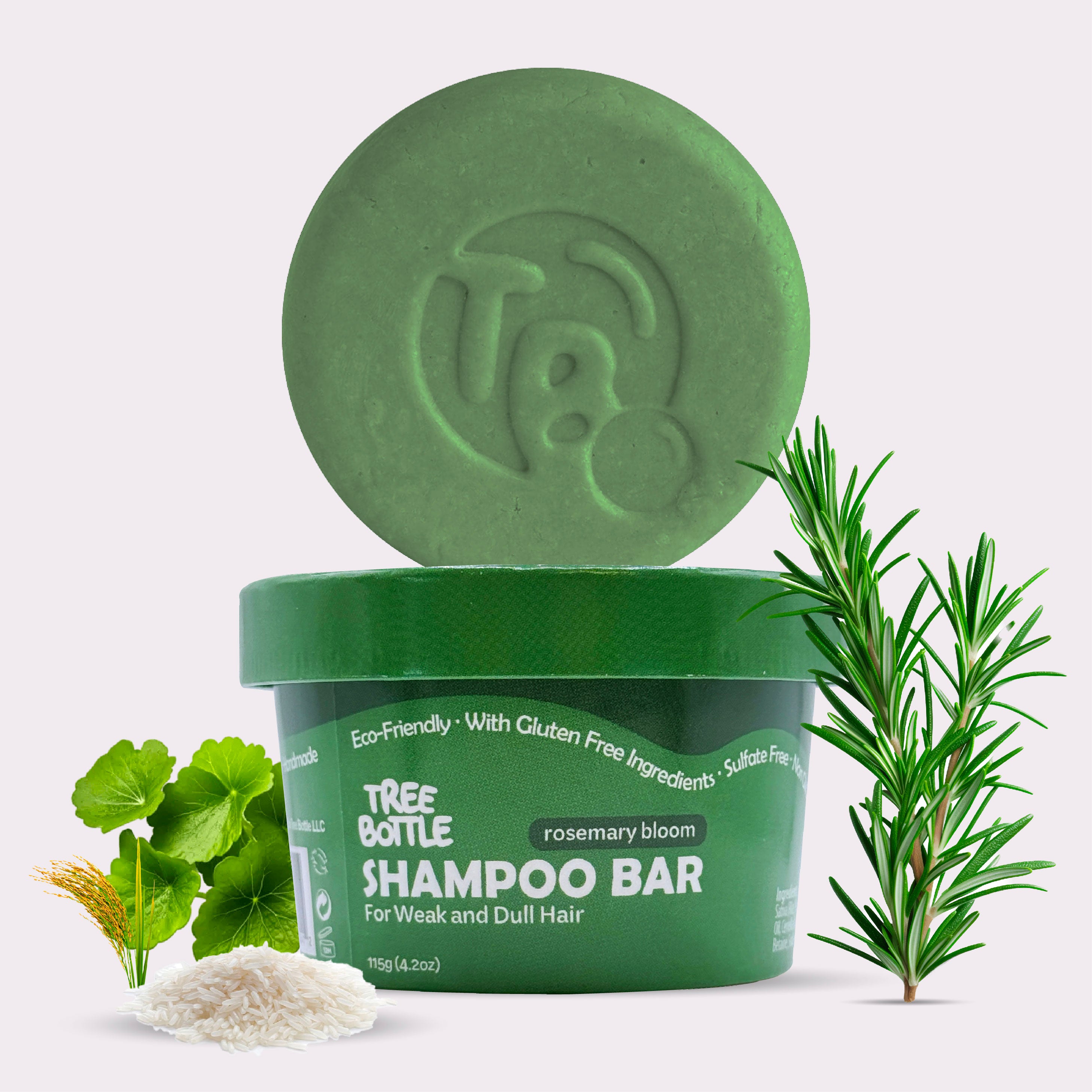
If your main goal is a fuller feel, a volumizing bar may be a logical starting point. This is one example from the Tree Bottle lineup that aligns with that direction.
Rice Water + Rosemary Shampoo Bar - VOLUMIZING & FULLER HAIR
For more context on rice water and scalp-supporting routines, you can explore Volumizing Fuller Hair Shampoo Bar. Choose it based on your hair texture and how your scalp responds to cleansing.
Common mistakes
Switching from liquid to a shampoo bar can succeed quickly, but several common errors can slow progress. Avoiding these issues helps the bar perform as intended and supports a better look and feel.
Using the bar like a solid that “does not lather”
Many people assume insufficient lather means insufficient cleansing. Shampoo bars create foam once they soften. Wet your hands thoroughly, then rub to build a light lather before applying to the scalp.
Applying conditioner too high on the head
Conditioner placed near the roots can reduce lift. For thicker-looking hair, apply conditioner mainly from mid-length to ends. If you use a separate conditioner bar, follow the same height rule.
Rinsing too quickly
Leftover residue can flatten hair. Rinse patiently, especially if your water is harder or your hair is fine. Thorough rinsing allows strands to move freely and improves volume.
Overusing styling products during the transition
Hair can feel different when the baseline changes. During the transition, use fewer heavy gels or oils until you learn how your hair responds to the new cleanse.
If you also want to address texture and manage frizz alongside volume goals, review frizz and shine support as a complementary direction.
Buyer’s checklist
Use this checklist to choose the right shampoo bar for thicker hair. Each point helps you match a formula and routine to your scalp needs and styling goals.
- Scalp profile: If you get oily quickly, choose a bar that cleans thoroughly without leaving a heavy feel.
- Hair texture: For fine hair, prioritize gentle cleansing and easy detangling, not only “strong” cleansing.
- Rinse comfort: Look for a formula designed to rinse clean so hair does not feel coated.
- Ingredient compatibility: If you prefer plant-forward formulas, select bars with recognizable botanical extracts.
- Routine fit: Ensure the bar matches your washing frequency and the way you use conditioner.
- Packaging handling: A bar should be easy to keep dry between uses to avoid softening and product waste.
- Goal alignment: If your goal is a fuller look, favor volumizing or lift-oriented formulas.
How to use shampoo bars for the best volume and feel
Technique affects outcomes. A shampoo bar for thicker hair will not perform optimally if it is applied with inconsistent coverage or rinsed too lightly.
Step-by-step wash method
- Pre-wet thoroughly: Wet scalp and hair until water penetrates the roots.
- Create a small lather: Rub the bar between damp hands or directly on the scalp until you see a stable foam.
- Massage the scalp: Use fingertip circles for a short, focused cleansing session. Do not scrub harshly.
- Let the lather move: Allow foam to run through lengths naturally while you rinse, rather than dragging aggressively.
- Rinse deeply: Continue rinsing until hair feels clean and slippery only in a natural way, not coated.
- Condition strategically: Apply conditioner mainly to mid-length and ends. Rinse completely.
Drying and styling habits that maintain lift
Volume can be lost after washing if hair is compressed while drying. Towel blotting rather than aggressive rubbing can help. When blow-drying, focus heat at the roots briefly, then move downward to avoid flattening.
Also consider how you store the bar. Keeping it in a ventilated holder reduces softness and helps maintain consistent texture. Consistency is important for predictable cleansing performance.

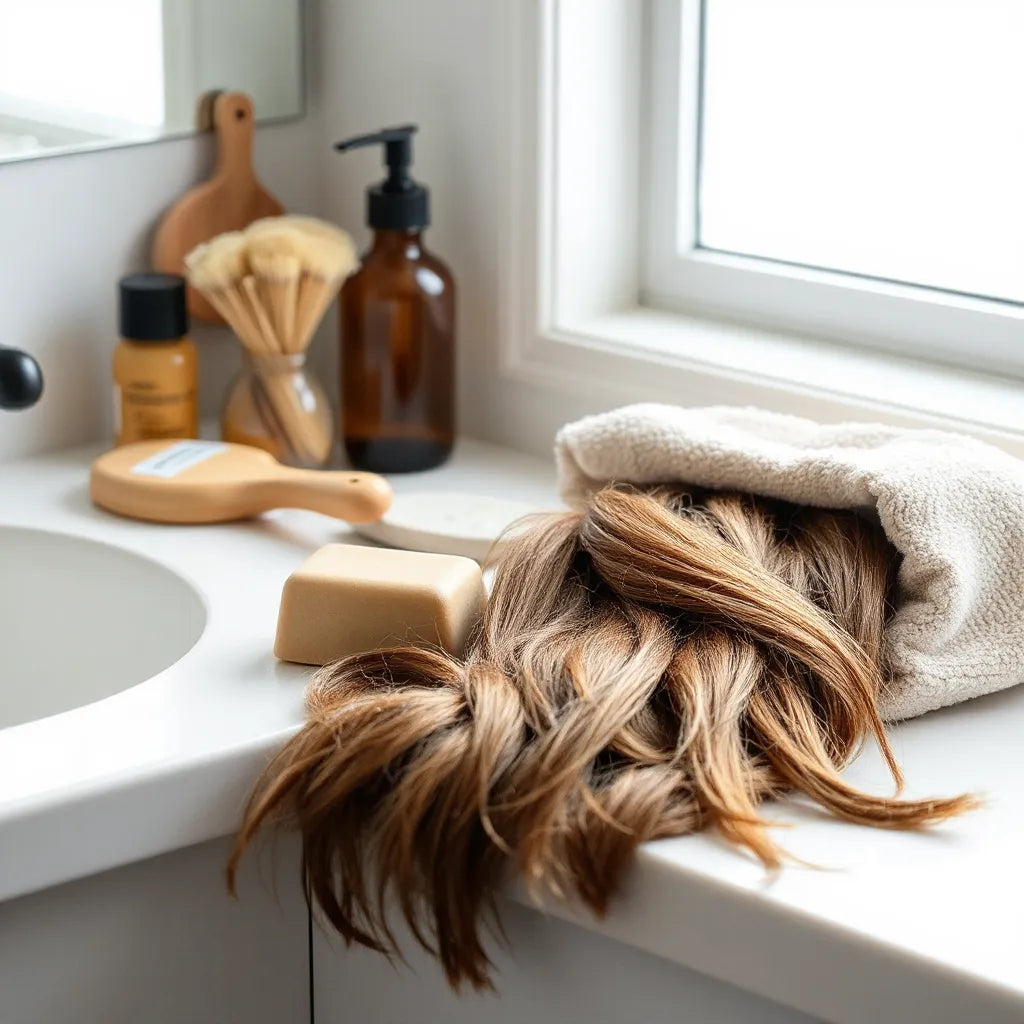
Split hair strands showing lift and smoother mid-length texture
Visual guide: balancing texture and moisture
Higher volume often depends on the right balance between cleansing and conditioning. If hair is too dry, strands can look thinner and feel rough. If it is over-conditioned near the scalp, hair can separate less and lose lift.
A balanced routine targets softness at the ends while keeping the root area clean. That is the core logic behind selecting a shampoo bar for thicker hair and pairing it with an appropriate conditioner placement.
FAQ
Is a shampoo bar for thicker hair suitable for all hair types?
It can be suitable for many hair types because the bar format supports consistent cleansing. However, results depend on scalp oil level, hair density, and how much conditioner you apply. Fine hair often benefits from lighter conditioning at the ends, while thicker hair may need careful rinsing to prevent buildup.
How often should I wash with a shampoo bar to maintain volume?
Washing frequency should match your scalp needs. If your scalp becomes oily quickly, more frequent cleansing may improve lift. If your scalp stays dry, less frequent washes may help prevent dryness. The most important factors are thorough rinsing and consistent technique during each wash.
Will shampoo bars leave hair feeling dry or rough?
Not necessarily. Many formulas include conditioning-supporting ingredients that help hair feel smoother after rinsing. Roughness is often caused by insufficient rinsing, overuse of bar product, or conditioner being applied incorrectly near the scalp. Adjusting your lather amount and conditioning height typically resolves the issue.
Do I need to use a conditioner with a shampoo bar?
Most routines benefit from conditioner, especially when hair lengths are dry or prone to tangling. A general best practice is to apply conditioner from mid-length to ends only. This approach supports comfort while preserving root volume.
Wrap-Up and final thoughts
A shampoo bar for thicker hair is a practical choice for anyone who wants a cleaner scalp routine, improved manageability, and a more voluminous look. Success depends on selection and technique: choose a bar aligned with your hair goals, lather properly, rinse thoroughly, and condition only where softness is needed.
If you want to explore a volumizing direction, consider reviewing the Tree Bottle Rice Water + Rosemary Shampoo Bar for fuller hair. For a reset-focused routine approach from the wider Shopify ecosystem, you may also review The Sunday Reset Collective.
Choose a shampoo bar that matches your scalp and your styling preferences. Then measure results by how your hair feels and performs from wash to wash, not by short-term expectations.
Q&A Section
What should I do if my hair feels flat after the first few washes?
Flattening usually comes from residue or conditioning near the roots. Use a smaller amount of product, lather enough to cleanse, and rinse longer. Apply conditioner only to mid-length and ends, then reassess after a few consistent washes.
How can I tell whether the bar is cleansing effectively?
Effective cleansing typically improves hair movement and reduces the need for heavy styling products. Hair should feel light, not tacky or coated. If it still feels heavy, check rinse duration and reduce product amount per wash.
Can I pair a shampoo bar with other hair care steps?
Yes. Shampoo bars can pair with serums, scalp tonics, and conditioning treatments. For best volume, apply leave-on products sparingly near the ends and avoid heavy oiling at the root area unless your scalp tolerates it well.
About the Author Section
Tree Bottle
Tree Bottle is a skincare and hair care brand that emphasizes ingredient-led routines and thoughtful formulations. The team focuses on practical hair-wash technique, scalp-friendly cleansing, and product pairing for everyday results. This article reflects that expertise and aims to support informed purchasing decisions. Thank you for reading and choosing a routine that aligns with your hair goals.
Disclaimer: This article provides general educational information and does not replace professional advice. Individual results vary based on hair type, scalp conditions, water quality, and routine consistency. If you have a scalp condition or persistent irritation, consult a qualified healthcare professional.