
Updated on: September 8, 2026
Shampoo bars for dry hair offer a practical, travel-friendly way to cleanse without overwhelming the scalp. When formulated with conditioning ingredients and balanced surfactants, they can help reduce the look of dullness and improve manageability. The right bar also depends on how your hair feels, how quickly it becomes dry, and how your scalp responds to cleansing. This guide explains myths, selection criteria, and a simple routine you can maintain consistently.
1. What shampoo bars for dry hair should do
2. Myths vs. facts: shampoo bars for dry hair
3. How to choose the right bar for dry hair
4. A practical routine for dry hair using shampoo bars
5. Common issues and fixes when switching
6. Final thoughts & takeaways
7. Q&A
1. What shampoo bars for dry hair should do
Dry hair often reflects more than a lack of moisture. It frequently involves a mismatch between how the hair and scalp are cleansed and what the hair shaft needs to feel smooth, flexible, and easier to style. Shampoo bars for dry hair are designed to cleanse while supporting softness and slip, so hair does not feel harsh after washing.
A high-quality bar typically offers gentle cleansing, effective lathering, and conditioning properties that complement your hair texture. Look for formulas that aim to reduce the “squeaky clean” feel that can accompany dryness. For many people, the goal is balance: remove buildup and impurities, while preserving enough comfort for the scalp and enough manageability for the ends.
Key signals your cleanser is working
- Hair feels easier to detangle, especially mid-lengths and ends.
- Scalp comfort improves after washing, without tightness.
- Hair looks less dull and holds styling better.
- Hair does not revert to frizz within hours, even in dry air.

Checklist icons for gentle cleansing, comfort, shine
If you are transitioning from traditional liquid shampoo, it is helpful to remember that shampoo bars for dry hair work through a slightly different method: the bar must be used correctly to create a creamy lather and to distribute cleanser evenly. That technique, paired with a suitable ingredient profile, often determines whether the result feels nourishing or simply drying.
2. Myths vs. facts: shampoo bars for dry hair
Shampoo bars are often discussed in extremes: either they are considered automatically moisturizing, or they are assumed to be too stripping. In reality, outcomes depend on formulation, water hardness, technique, and your hair’s specific needs.
-
Myth: Shampoo bars are always drying.
Fact: Many shampoo bars for dry hair contain conditioning agents and balanced surfactants that cleanse without excessive dryness. The bar’s formula matters more than the format. -
Myth: Shampoo bars cannot produce enough lather.
Fact: Proper rubbing, hydration of the bar, and enough water create a rich lather. You should still cleanse the scalp thoroughly while keeping product distribution even. -
Myth: Dry hair needs only oil, not cleansing.
Fact: Dry hair still requires regular cleansing to remove product buildup, sweat residue, and environmental film. Over-oiling can worsen dullness by trapping debris. -
Myth: Switching shampoo bars ruins progress instantly.
Fact: Any transition can feel different at first. With consistent technique, many people observe improved softness and fewer tangles over several washes.
For broader routine ideas that complement bar cleansing, this guide can be useful: Natural Hair Care Routines for Healthy, Glossy Strands.
3. How to choose the right bar for dry hair
Choosing the right shampoo bar is not only about searching for “dry hair” on the label. It is about matching cleansing strength and conditioning support to your scalp needs and hair texture. When comparing options, focus on the following criteria.
1) Ingredient intent: conditioning support
Dry hair benefits from formulas that aim to provide slip and softness. Consider bars that highlight skin- and hair-friendly humectants, nourishing plant oils, or proteins that help the hair feel stronger and smoother. If your hair tangles easily, choose a bar that supports comb-through after rinsing.
2) Surfactant balance: cleanse without over-stripping
Some cleansers remove buildup efficiently but can feel harsh if your scalp is sensitive or your hair is fine and prone to dryness. A suitable shampoo bar for dry hair should cleanse while maintaining comfort. If you notice lingering tightness or rapid frizz after washing, it may be too stripping for your current routine.
3) Water hardness considerations
Hard water can intensify dryness by increasing mineral buildup. In that case, a gentle bar with conditioning properties becomes more important, and you may need to rinse thoroughly and adjust the frequency of washing. A consistent rinse helps prevent residue that can make hair feel rough.
4) Your hair pattern and length
Dryness behaves differently depending on curl pattern, hair density, and length. For fine, dry hair, a bar with lightweight conditioning can feel best. For coarse, dry hair, slightly richer conditioning may reduce roughness and support detangling.
Product guidance from Tree Bottle
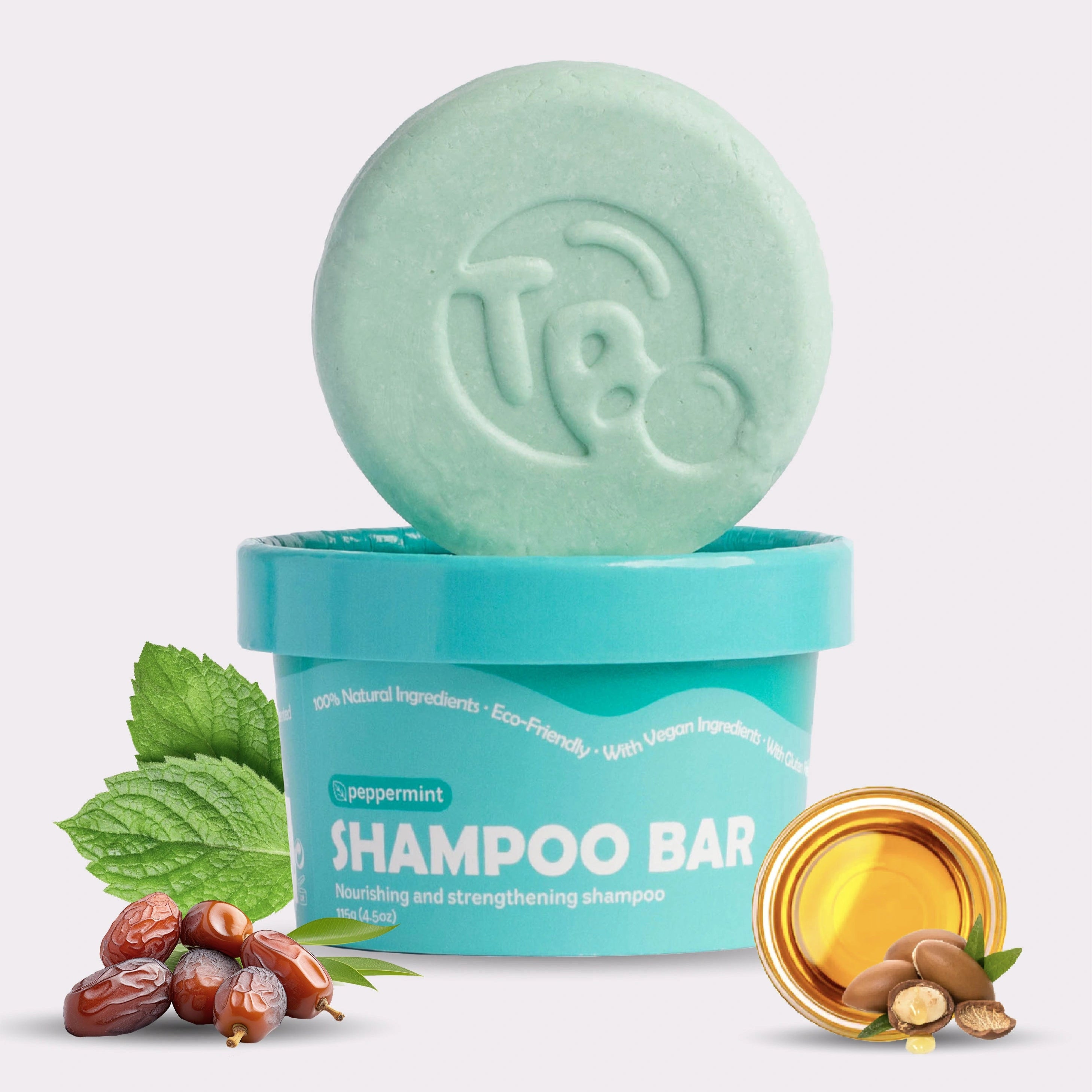
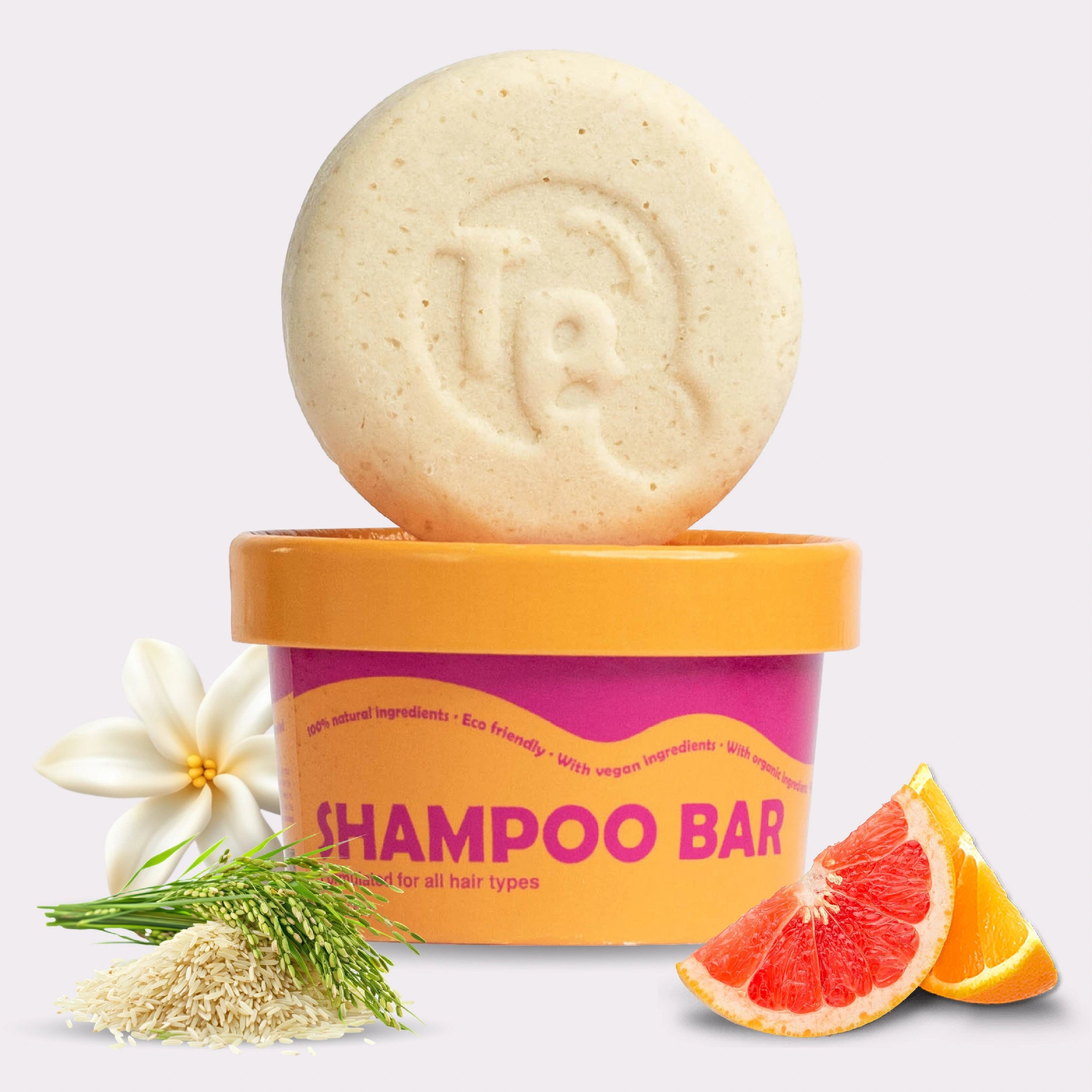
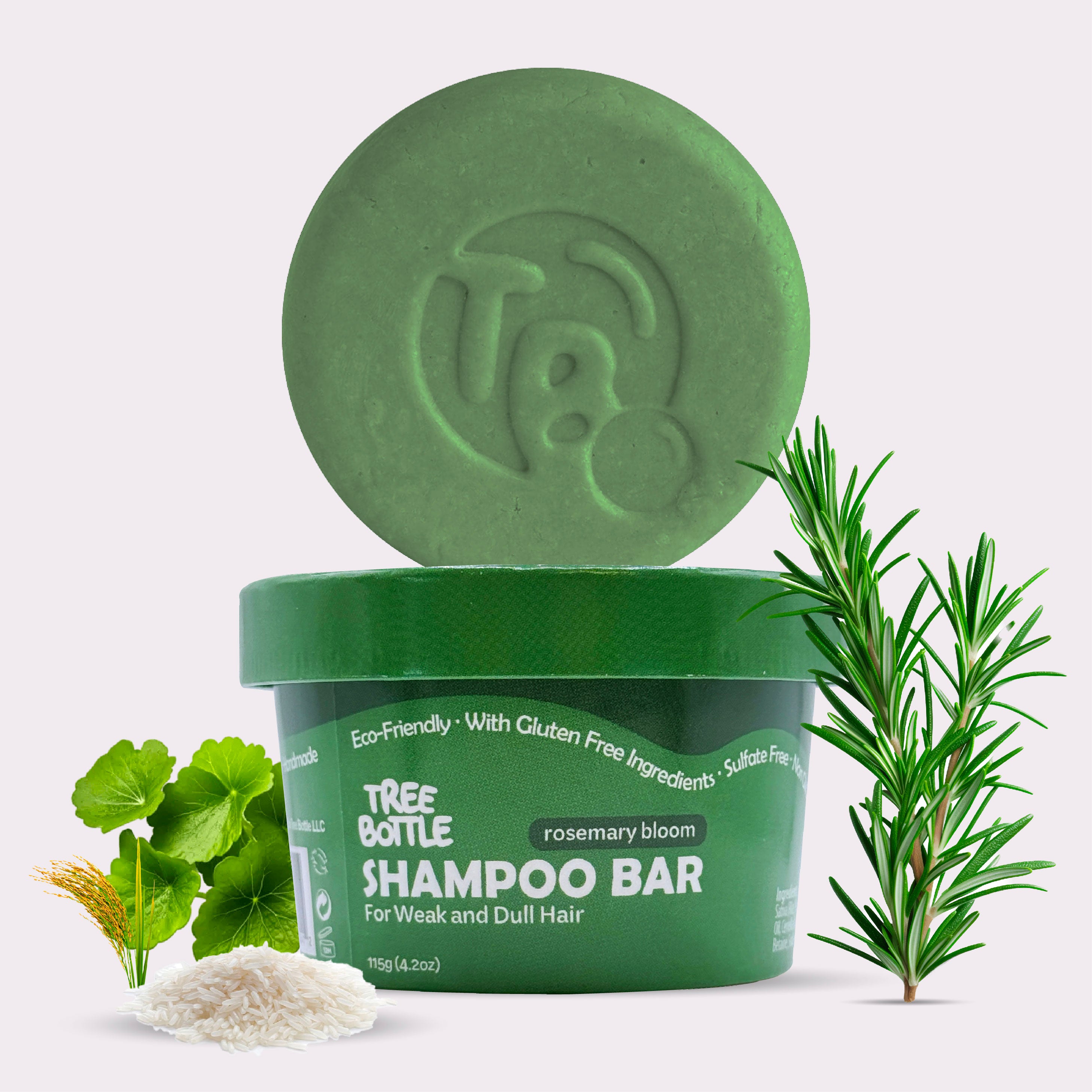
When you want a starting point, selecting within a curated range can reduce trial and error. If your goal is smoother, more manageable hair with anti-frizz benefits, consider Pro-Vitamin B5 Citrus Shampoo Bar for frizz control. For those who want a strengthening and comfort-forward approach, Castor Oil Biotin Shampoo Bar can be a logical match to routines that prioritize softness and ease of styling.

Ingredient icons and a water droplet, showing balance
4. A practical routine for dry hair using shampoo bars
A shampoo bar is only as effective as your technique. Dry hair tends to benefit from a routine that supports both cleansing and post-wash softness. Use the steps below to create a dependable system.
Step 1: Prepare the bar for lather
Before applying to the scalp, rub the bar between your hands under warm water until a creamy lather forms. Alternatively, you may run the bar briefly over the scalp, but ensure immediate contact is followed by thorough massaging. The goal is even distribution, not pressure.
Step 2: Cleanse the scalp, not only the lengths
Focus most time on the scalp with gentle circular massage. The cleanser will rinse through the lengths as you rinse, which helps avoid over-cleansing the ends. This approach matters for shampoo bars for dry hair because the ends often feel drier and more prone to tangling.
Step 3: Keep contact time reasonable
Do not leave the bar on hair for extended periods. Cleanse, massage, and rinse promptly. Short contact time reduces the chance of dryness while still supporting a clean feel.
Step 4: Rinse thoroughly
Rinsing is where results are made. Ensure that water runs clear and hair feels free of residue. If your hair feels coated or rough shortly after drying, extend rinsing in your next wash. Conditioning is not effective if residue remains.
Step 5: Pair with a suitable conditioner bar
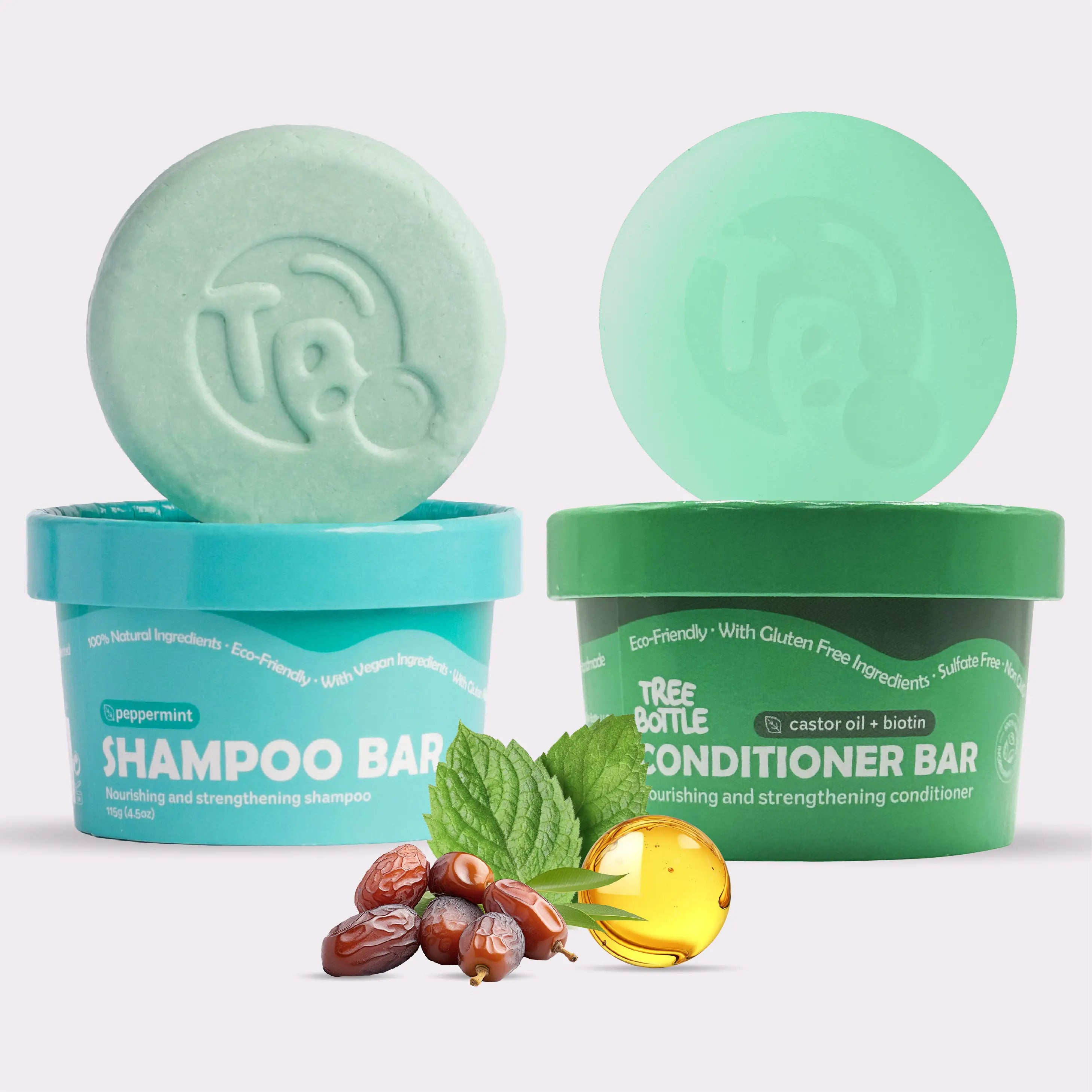
Dry hair commonly improves when cleansing is paired with conditioning. A conditioner bar can deliver targeted slip on lengths and ends. If you want a cohesive approach, consider pairing with a frizz-shine shampoo and conditioner set to support smoother hair from root-to-tip.
Frequency guidance
Washing frequency depends on scalp oil production, styling frequency, and climate. Many people with dry hair benefit from washing slightly less often than those with oily roots. If your scalp feels dry, avoid aggressive cleansing between washes. Instead, focus on moisture support through leave-in conditioning and gentle detangling.
5. Common issues and fixes when switching
Switching to shampoo bars for dry hair can feel different at first. Address issues quickly to keep your routine consistent.
Issue 1: Hair feels rough or tangles more
Roughness usually indicates insufficient conditioning support or incomplete rinsing. Try rinsing longer and apply conditioner specifically to lengths and ends. If you skip conditioner, the bar may feel less forgiving on dry, porous strands.
Issue 2: Scalp feels tight after washing
Tightness can suggest a cleanser that is too stripping for your scalp. Reduce pressure during cleansing and ensure lather is not overly concentrated. If needed, switch to a bar that emphasizes gentler cleansing and comfort.
Issue 3: Product buildup or dullness
If hair looks dull after several washes, it can be residue buildup from hard water or styling products. Use thorough rinsing and cleanse the scalp longer. In some cases, washing frequency may need adjustment to prevent accumulation.
Issue 4: Bar use seems inconsistent
Inconsistent results commonly occur when water temperature, lather method, or technique changes. Create a repeatable routine: same lather time, same scalp massage pattern, and consistent rinsing. Dry hair benefits from stable habits rather than frequent changes.
Storage and bar longevity
To protect performance, allow the bar to dry between uses. Store it in a well-draining environment so it does not soften excessively. A bar that stays wet can become mushy, making lather less predictable and increasing waste.
6. Final thoughts & takeaways
Shampoo bars for dry hair can be an effective, low-waste alternative to traditional cleansers when you select the right formula and use it consistently. The most important success factors are cleansing balance, technique for even lather, and rinsing thoroughly. When dryness includes tangling, dullness, or scalp discomfort, pairing with a conditioner bar and maintaining a stable routine often delivers the most visible improvement.
If you are ready to refine your routine, start by choosing one bar that aligns with your hair texture and scalp comfort. From there, adjust conditioning and rinsing until your hair feels soft, smooth, and easy to style. Consistency is the true driver of results.
Q&A
Are shampoo bars for dry hair suitable for sensitive scalps?
They can be, provided the formula is designed for gentle cleansing and comfort. If you experience tightness, itchiness, or lingering dryness after washing, reduce cleansing pressure, improve lather distribution, and consider switching to a bar that emphasizes mild surfactant balance and conditioning support.
How often should I wash with a shampoo bar if my hair is dry?
Most people with dry hair do best with a schedule that prevents buildup without over-cleansing the scalp. Begin with a conservative frequency that matches your scalp behavior, then adjust based on how your roots and ends feel after drying.
Why does my hair feel different after switching to a shampoo bar?
The switch changes how cleanser is distributed and how minerals and residue rinse away. Technique and rinsing time often explain the majority of differences. If your hair feels rough, extend rinsing and use conditioner on lengths and ends to restore softness and slip.
Can shampoo bars replace liquid shampoo and conditioner?
Shampoo bars can replace liquid shampoo, but many dry-hair routines still require conditioning support. Using a conditioner bar or a compatible conditioner after cleansing typically improves detangling and softness, especially for longer or more porous hair.
Author Bio
Tree Bottle is guided by hair-care expertise focused on balanced cleansing and supportive ingredients. The team behind Tree Bottle supports routines that help hair feel softer, smoother, and easier to manage, with a practical approach to daily care. Thank you for reading and investing in a routine that aligns with your hair needs.