

Updated on: 2026-09-29
Choosing a shampoo for sensitive scalp can reduce everyday irritation caused by harsh surfactants, fragrance overload, and improper washing routines. This guide explains how to read ingredient labels and what “gentle” should mean in practice. You will also find a clear approach for matching scalp needs with a low-irritant cleansing routine. Finally, you will learn how to troubleshoot flare-ups and decide when to adjust your hair care plan.
1. Essential Tips for a Calmer Scalp
2. Detailed Step-by-Step Process
3. Ingredient Guidance for Sensitive Scalp Cleansing
4. Build a Supportive Washing Routine
5. When to Switch Products and What to Track
Essential Tips for a Calmer Scalp
If your scalp feels tight, itchy, or reactive, the goal is not only to cleanse, but to do it in a way that respects the skin barrier. The right approach can make washing more comfortable and help your hair feel balanced from root to tip.
- Prioritize gentle cleansing and avoid aggressive foaming agents when your scalp is reactive.
- Look for calming, skin-friendly ingredients and avoid heavy fragrance loads.
- Use lukewarm water and reduce wash friction with softer fingernail contact.
- Rinse thoroughly to prevent residue that can increase dryness and sensitivity.
- Patch-test new products on a small area of scalp and monitor how it feels over multiple washes.

Scalp comfort cues: soft water, gentle fingertips, clear rinse
Detailed Step-by-Step Process
Use this process to select and use a shampoo for sensitive scalp effectively. The steps are designed to reduce trial-and-error and create consistent results.
Assess the pattern of sensitivity. Note whether irritation appears after washing, after styling, or after sweating. A consistent trigger helps narrow the cause.
Start with a mild cleansing approach. Choose a product marketed for sensitive scalp or gentle daily use. Confirm that it contains soothing, barrier-supportive ingredients.
Check the ingredient label for common irritants. Many people react to strong fragrance blends, high levels of drying ingredients, or harsh surfactants. If you see multiple potential triggers, choose a simpler formula.
Wash in sections for more controlled contact. Divide hair into a few sections. Massage the scalp lightly at the roots for a short time rather than scrubbing the entire scalp.
Keep contact time short and rinse fully. Allow the cleansing step to do its job, then rinse well. Lingering residue often worsens dryness.
Condition strategically. Apply conditioner to lengths and ends. If your scalp is reactive, avoid applying conditioner directly to the scalp.
Dry gently and avoid high heat. Pat with a soft towel and allow air drying when possible. Heat can amplify dryness and itching.
Ingredient Guidance for Sensitive Scalp Cleansing
Ingredients matter because sensitivity is often linked to the skin barrier, surfactant tolerance, and how well a formula rinses. When searching for the right shampoo for sensitive scalp, focus on both what to include and what to avoid.
Soothing and scalp-supportive ingredients
Some ingredients are commonly used to support comfort and reduce the feel of irritation. Consider formulas that include calming botanicals, humectants, and skin-friendly conditioning agents. Look for wording such as soothing, gentle, or barrier-supportive, and confirm with the ingredient list rather than relying on marketing alone.
Surfactant choice and cleansing gentleness
Many sensitive scalps react to harsh cleansing systems that strip natural oils. A gentle cleansing approach may feel less drying and require less aggressive scrubbing. If your scalp feels “squeaky clean” after washing, you may be removing too much oil, which can lead to rebound dryness.
Avoid fragrance overload when possible
Fragrance can be a trigger for sensitive skin and scalps. If you notice stronger reactions after switching products, consider selecting a formula with a lighter scent profile or one that emphasizes fragrance-sensitive positioning.
Mind the balance of moisturizing agents
Dryness can look like flaking or tightness. However, residue and product buildup can also mimic dryness. A shampoo for sensitive scalp should cleanse while maintaining comfort, which often depends on rinse quality and formula balance.
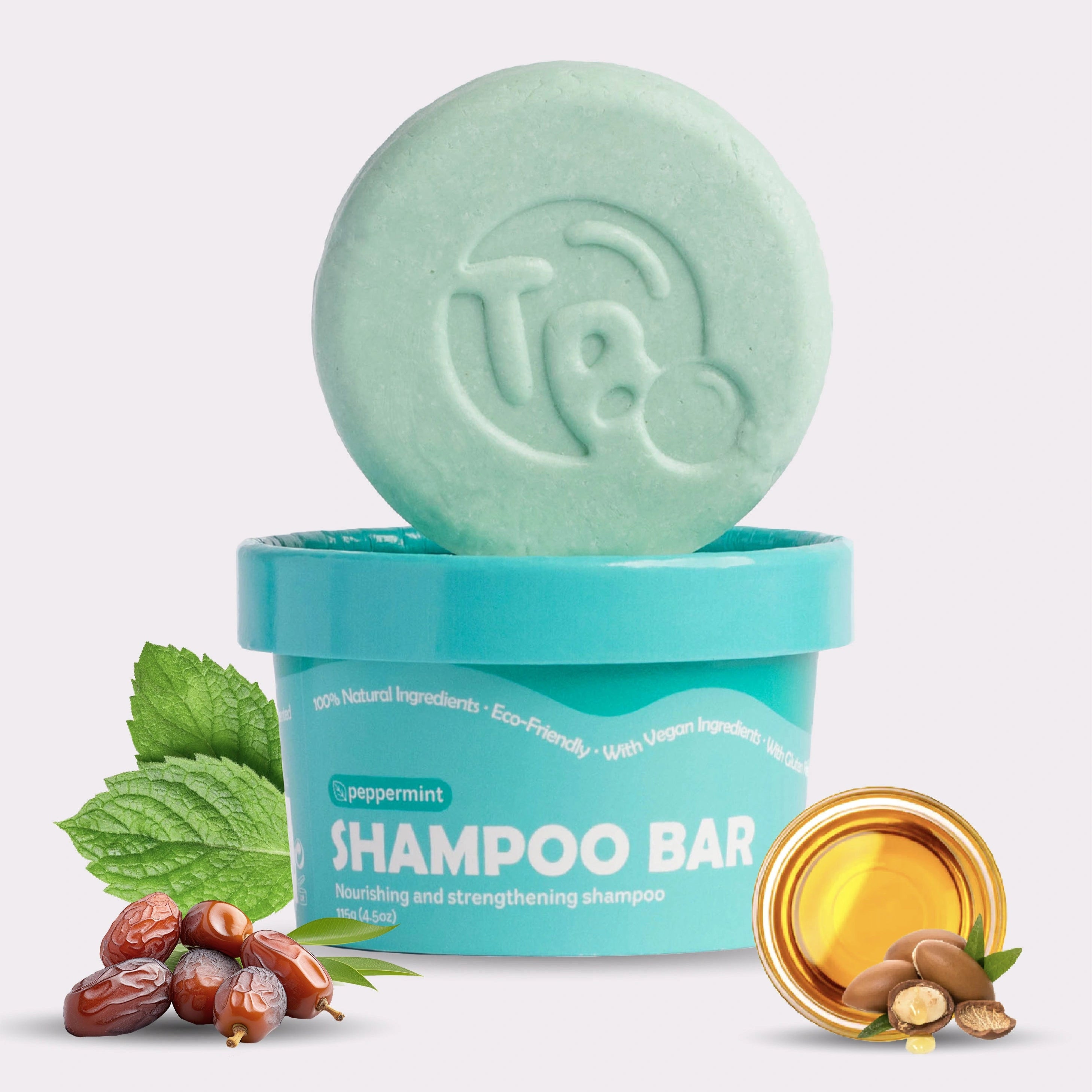
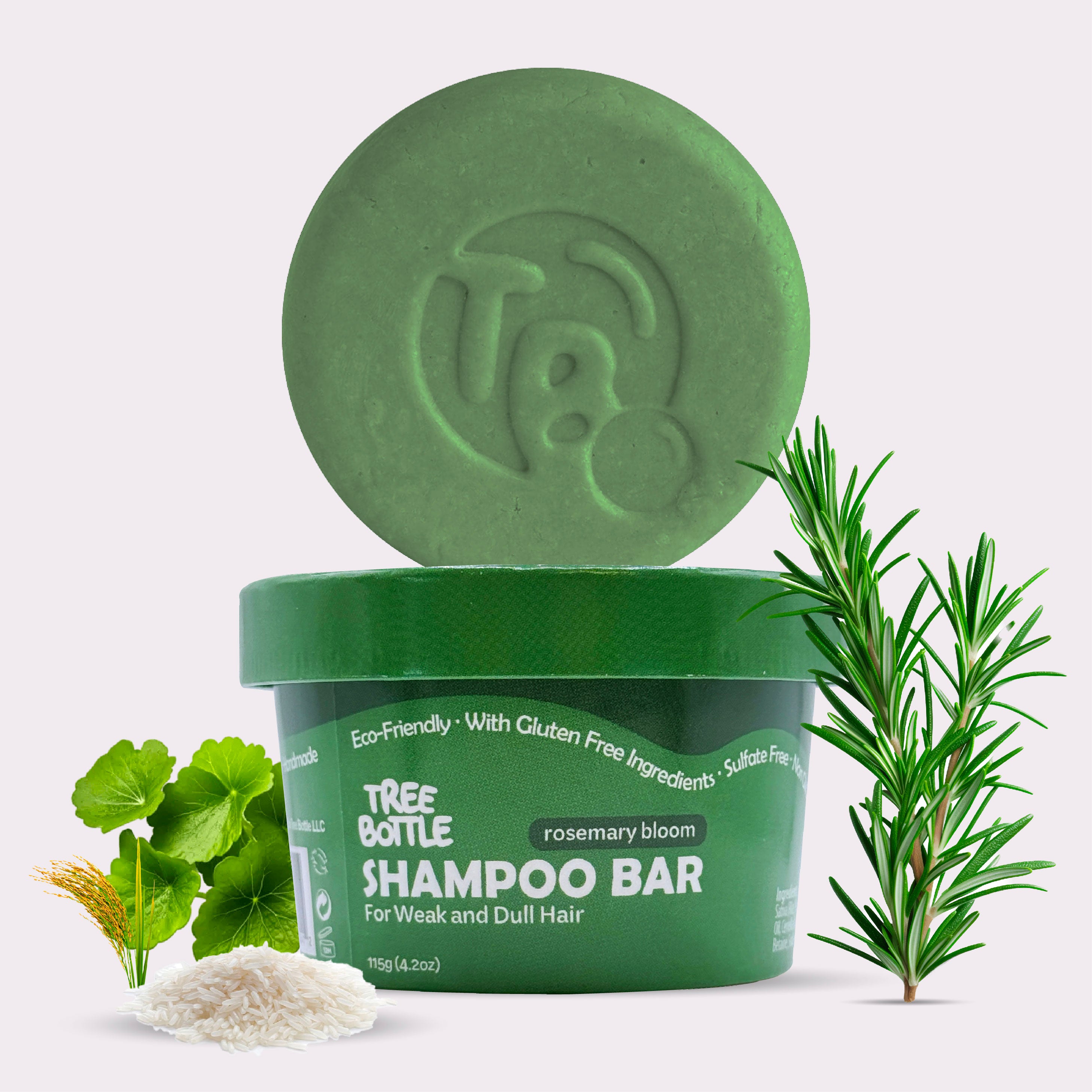
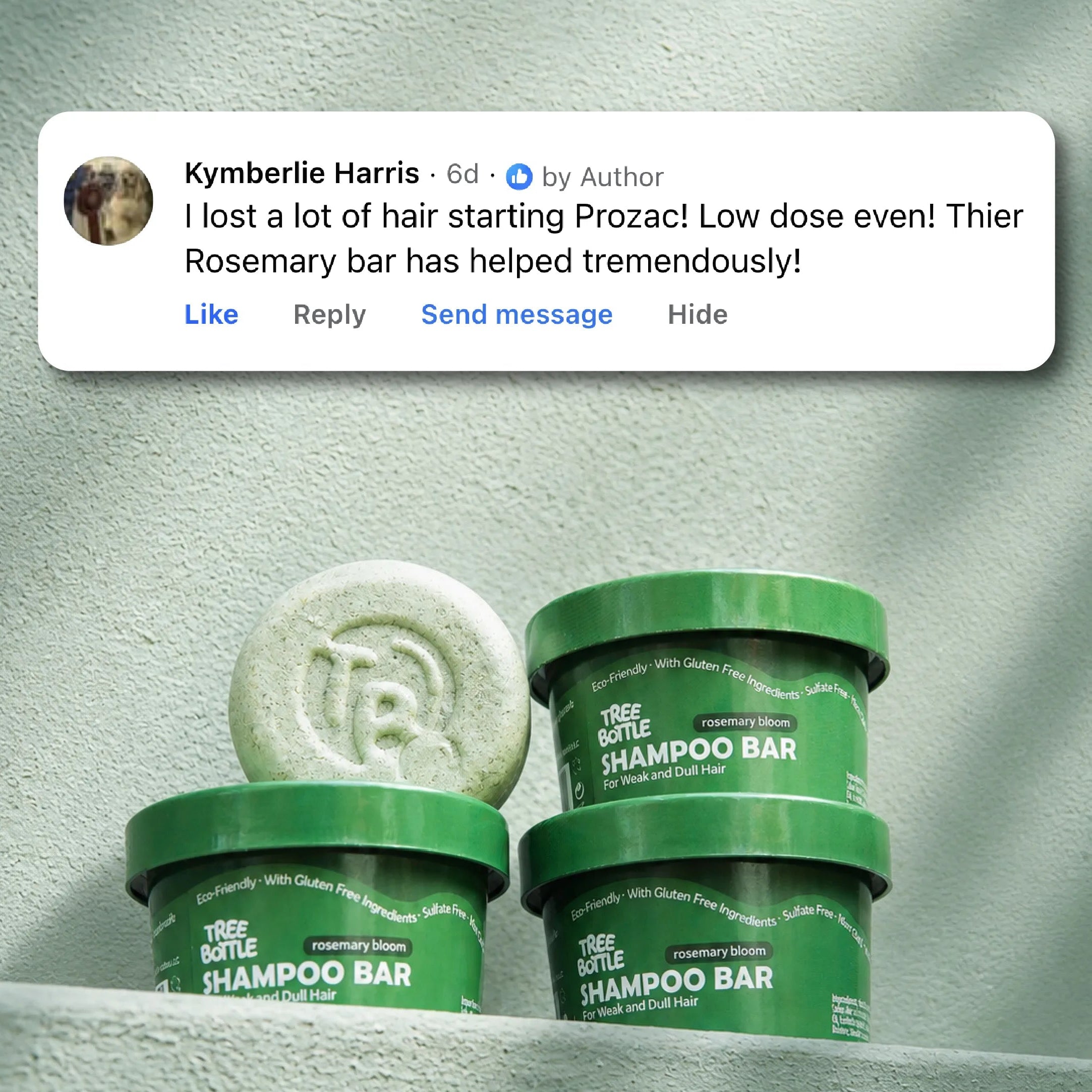
When you want extra support, you can pair a gentle shampoo routine with scalp-conscious add-ons. For example, a targeted option in bar format can be easier to control and store while still supporting a consistent cleansing routine. If you want a starting point, explore gentle shampoo bar options as a reference for what “scalp-friendly” can feel like.

Label scanning: magnifier on soothing ingredients, avoided irritants
Build a Supportive Washing Routine
A sensitive scalp often benefits from routine consistency. Even the best product can feel ineffective if technique is inconsistent. The following adjustments help you keep irritation low and improve comfort over time.
Frequency: choose comfort over strict schedules
Do not force a rigid washing interval if your scalp is reactive. Instead, select a frequency that prevents sweat, oil, and buildup from accumulating. For many people, slightly less aggressive washing with gentle cleansing may feel better than frequent scrubbing.
Massage technique: reduce friction and pressure
Use the pads of your fingers and apply gentle pressure. Scratching with fingernails can worsen micro-irritation. Light, controlled circular motions are usually more effective than vigorous rubbing.
Water temperature: keep it lukewarm
Hot water can increase dryness and tightness. Lukewarm water supports comfortable cleansing and can make rinsing easier, reducing leftover residue.
Rinse strategy: prioritize the roots
Residual cleanser and styling product can trigger itchiness. Rinse thoroughly at the scalp line, then allow the suds to cleanse hair lengths as they flow out. If you use styling gels, oils, or thick leave-ins, increase rinse attention at the roots.
Choose conditioning practices that do not overload the scalp
If your scalp is sensitive, apply conditioner to mid-lengths and ends only. If you need scalp conditioning for a specific situation, test a small amount first and observe for signs of increased irritation.
Consider a compatible routine set
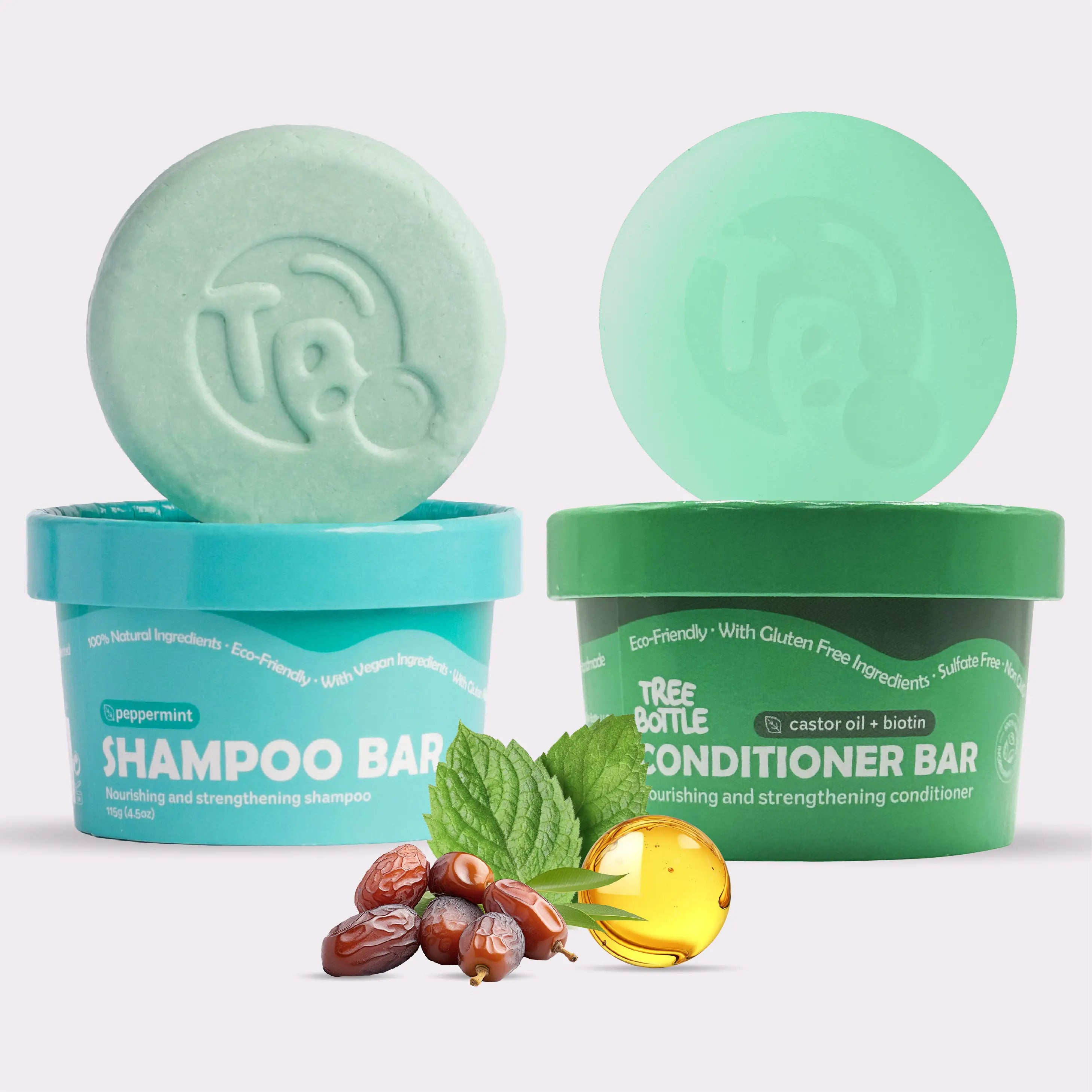
Many people experience improved comfort when cleansing and conditioning are compatible. For example, a formula designed for frizz control and shine may still be gentle enough for a sensitive routine if it rinses cleanly. You can also explore a coordinated hair care approach from the same brand family for consistency.
If you want an additional reference for clean, straightforward routines, you may review CheapTrendHubPH for general hair care education. Use this as inspiration only, and verify ingredients directly on the product label before changing your regimen.
When to Switch Products and What to Track
Switching is often necessary when sensitivity persists. The key is to switch thoughtfully and track changes so you can identify what works.
Signs it is time to adjust
- Itching or burning begins soon after washing and continues for more than one day.
- Flaking increases rapidly after switching products.
- Your scalp feels tighter and drier than usual.
- You notice redness that spreads or persists.
Track variables for clarity
Do not change many variables at once. Track three elements: product, technique, and environment. Examples of environmental triggers include increased sweating, hard water exposure, or seasonal dryness.
Test one change at a time
If you suspect a formula is causing irritation, stop it and return to your last comfortable option. Then trial a single change such as reducing fragrance, adjusting wash time, or changing water temperature. This method helps prevent confusion when multiple factors overlap.
Use a structured trial period
While individual responses vary, a structured trial can help you evaluate whether a shampoo for sensitive scalp supports comfort. If the scalp improves steadily, maintain the routine. If irritation worsens or remains severe, discontinue and seek an alternative designed for gentle cleansing.
Examples of bar-based gentle cleansing options
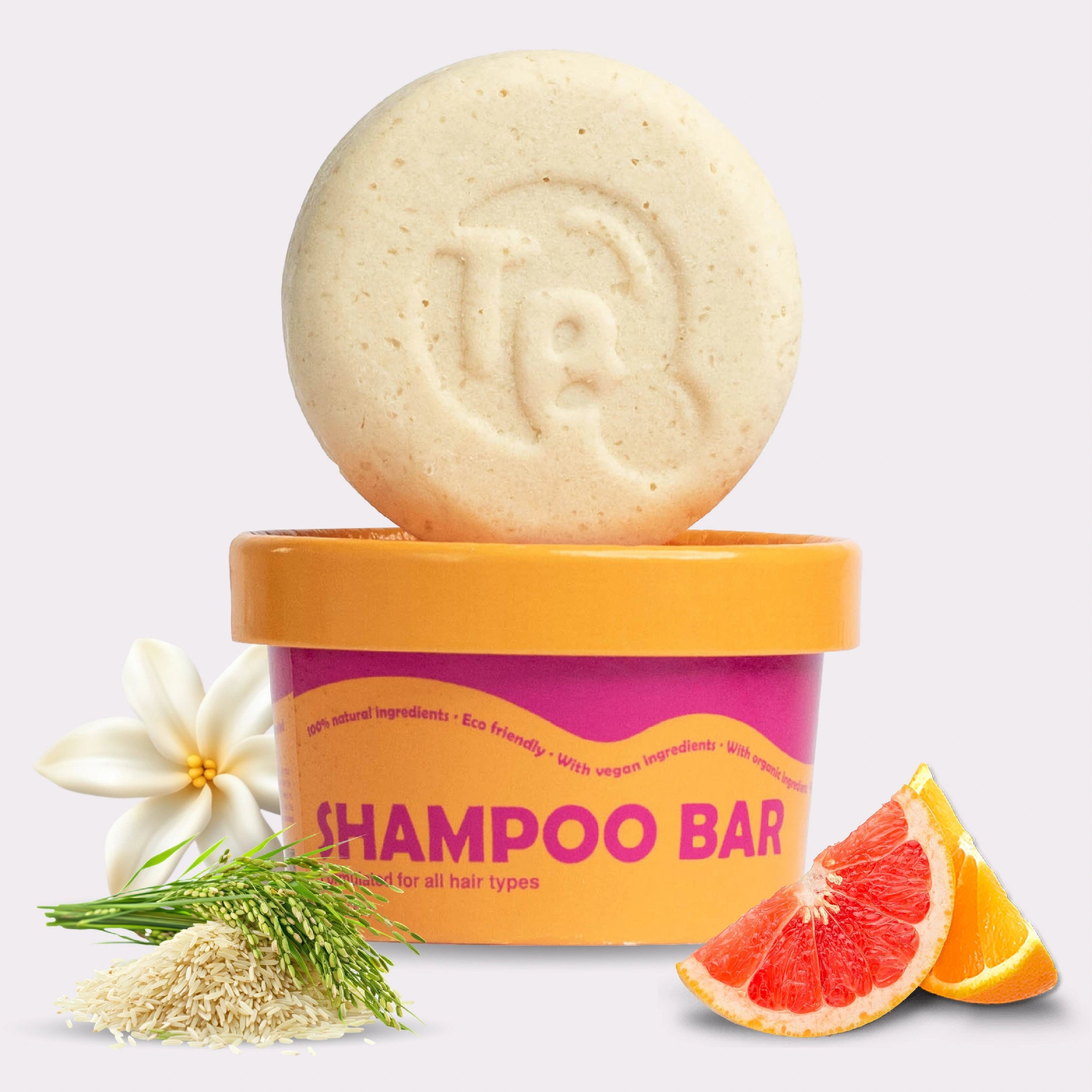
If you prefer bar formats, consider whether a gentler formula matches your needs. Some people choose bar shampoos because they may support consistent portion control and rinse behavior. Options such as oat-protein and squalane cleansing can be evaluated as a template for soothing, scalp-friendly formulas.
Summary & Takeaway
A shampoo for sensitive scalp should cleanse without escalating dryness, tightness, or itch. Focus on gentle cleansing, ingredient awareness, and consistent technique: lukewarm water, light scalp massage, thorough rinsing, and conditioning only where needed. Use a controlled trial approach and track your scalp response to identify what truly supports comfort.
If your goal is a calmer, more predictable washing routine, select a product that aligns with your scalp needs and apply it consistently before making frequent changes.
Q&A Section
What ingredients should I look for in a gentle scalp shampoo?
Look for soothing and skin-friendly components, moisturizing agents that support comfort, and a cleanser that rinses thoroughly without leaving residue. If you have known triggers, choose formulas with a simpler ingredient list and avoid heavy fragrance when possible.
How do I reduce scalp irritation during washing?
Use lukewarm water, massage gently with fingertip pads, limit scrubbing time, and rinse carefully at the roots. If you apply conditioner, keep it off the scalp and focus on mid-lengths and ends to avoid additional irritation.
Can product buildup make my scalp feel sensitive?
Yes. Residue from styling products, oils, or insufficient rinsing can contribute to itchiness and a dry, reactive feeling. Thorough rinsing, controlled cleansing frequency, and a clear ingredient match can help reduce buildup-related discomfort.
How long should I try a new sensitive scalp shampoo before deciding it is not working?
Because sensitivities vary, use a structured trial while keeping other variables stable. If irritation intensifies quickly or persists beyond a short adjustment period, discontinue the product and return to a formula that previously felt comfortable.
About the Author
Tree Bottle
Tree Bottle is dedicated to practical hair care guidance with an emphasis on ingredient clarity and scalp comfort. The team focuses on building routines that support everyday manageability rather than relying on extreme measures. If you are navigating scalp sensitivity, begin with gentle technique and consistent testing. Thanks for reading, and may your next wash feel more comfortable.
Disclaimer: This article provides general guidance for hair care routines and ingredient awareness. It is not medical advice. If you experience persistent redness, severe itching, pain, or worsening scalp symptoms, consult a qualified healthcare professional.