Updated on: 2026-07-07
Table of Contents
Why sulfate-free options are gaining momentum
Benefits and reasons to consider sulfate-free shampoo bars
How sulfate-free shampoo bars work
How to choose the right bar for your hair goals
Transitioning from liquid shampoo to shampoo bars
Storage and care to extend bar life
Why sulfate-free options are gaining momentum
Sulfate-free hair care has become a practical choice for many shoppers who want a gentler cleansing experience. Traditional shampoos often rely on strong surfactants that create a rich lather quickly. That lather can feel satisfying, but it may also be more stripping for certain hair types, especially when hair is dry, colored, or exposed to frequent heat styling.
In contrast, sulfate-free shampoo bars are designed to cleanse without using sulfates that are commonly found in some mainstream formulas. As consumers pay closer attention to ingredient lists and scalp comfort, bar formats are also gaining interest due to their convenience, portability, and reduced packaging footprint.
Benefits and reasons to consider sulfate-free shampoo bars
1) A gentler cleansing approach. Many people choose sulfate-free cleansing to support a calmer scalp feel and reduce the likelihood of feeling overly tight after washing. When you use a milder surfactant system, hair can feel more comfortable while still looking clean.
2) Better compatibility with routine hair care. If you use conditioners, serums, or leave-in treatments, a gentler shampoo base can help those steps perform as intended. Hair often holds shine and softness more consistently when the cleanse stage does not leave it excessively stripped.
3) Support for hair that needs moisture balance. Dry, frizzy, or easily tangled hair benefits from a wash that does not aggressively remove natural oils. Sulfate-free shampoo bars are frequently selected by shoppers seeking improved manageability after rinsing.
4) Travel-friendly format. Solid bars take up less space and can reduce spill risks. They are also easier to pack for weekends, gym bags, and carry-on luggage.
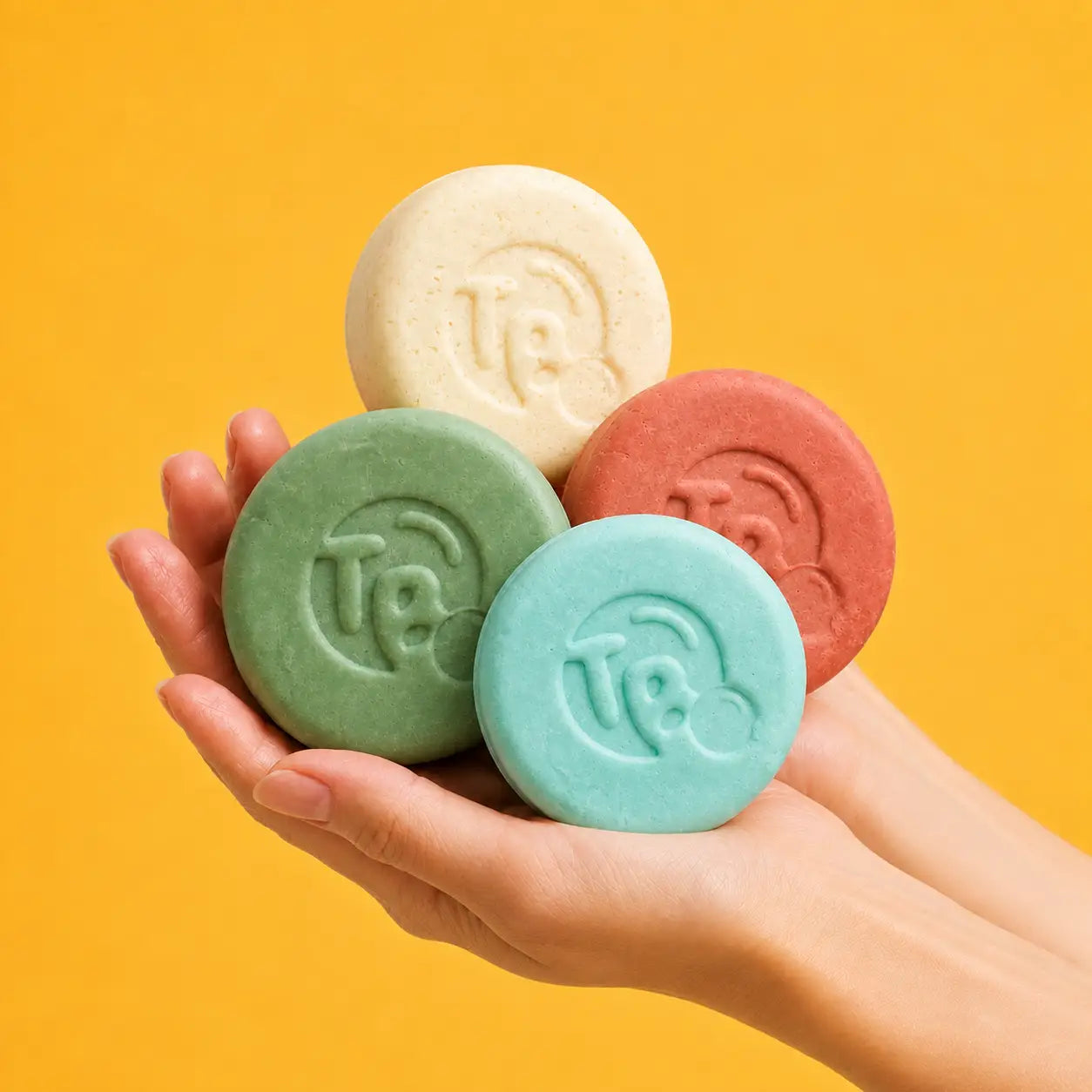
5) Ingredient transparency and targeted blends. Many sulfate-free bar formulas are built with conditioning agents and plant-derived components. This enables shoppers to match a bar to their scalp and hair priorities, such as volume, frizz control, or shine support.

Scalp comfort symbols and gentle cleansing waves
How sulfate-free shampoo bars work
Shampoo bars create cleansing foam through surfactants that lift away oil, dirt, and product buildup. A sulfate-free design usually replaces harsher cleansing agents with alternative surfactants that can clean while being less likely to remove lipids too aggressively.
The bar format also encourages controlled usage. You can lather directly on the scalp with a small amount of product, then massage thoroughly with fingertips. Because bars are concentrated, you typically need less product than you would use per wash with many liquid shampoos.
Another practical advantage is that bar-based systems can support consistent rinsing. When the bar is fully dissolved and rinsed away, hair usually feels lighter rather than coated. For many shoppers, this leads to a cleaner look with less residue buildup over time.
How to choose the right bar for your hair goals
Choosing a sulfate-free shampoo bar is not only about avoiding certain ingredients. It should also fit your hair texture, scalp needs, and styling routine. Consider the following selection criteria.
Match the cleanse level to your scalp
If your scalp feels oily quickly, you may benefit from a bar with a cleansing base that removes buildup efficiently. If your scalp feels dry or easily irritated, prioritize bars that include gentle, conditioning-friendly ingredients and avoid overly harsh additives.
Align with your texture and styling outcomes
For volume and lift, select a bar positioned for fuller hair feel. For frizz and smoother strands, select a bar designed to support slip and shine. For an anti-aging routine, choose a formula that emphasizes gentle smoothing and scalp-friendly comfort.
Consider your compatibility with heat and color
If you color hair or use heat regularly, you may want a bar that supports softness and reduces tangling at the wash stage. Smooth detangling can reduce breakage during drying and styling.
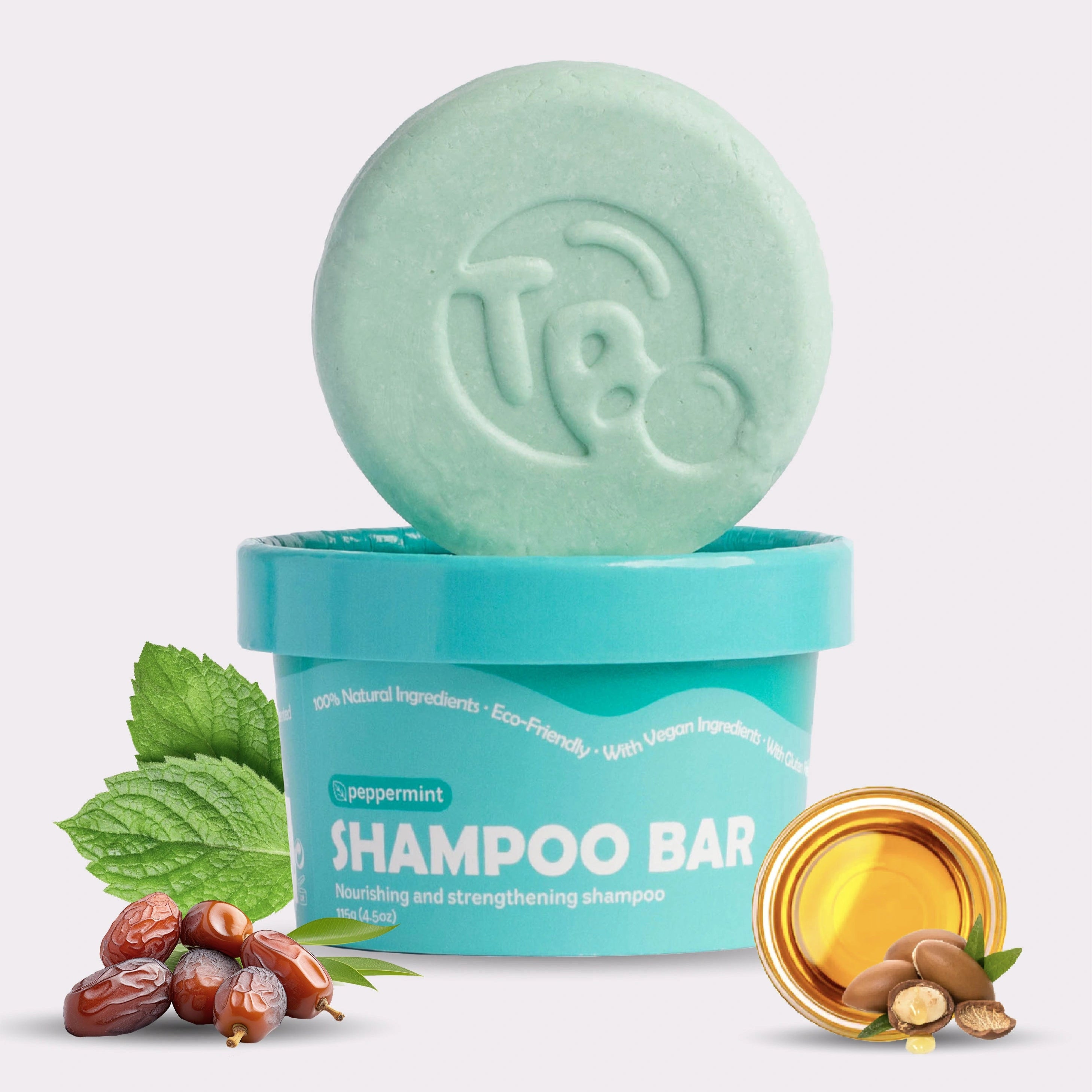
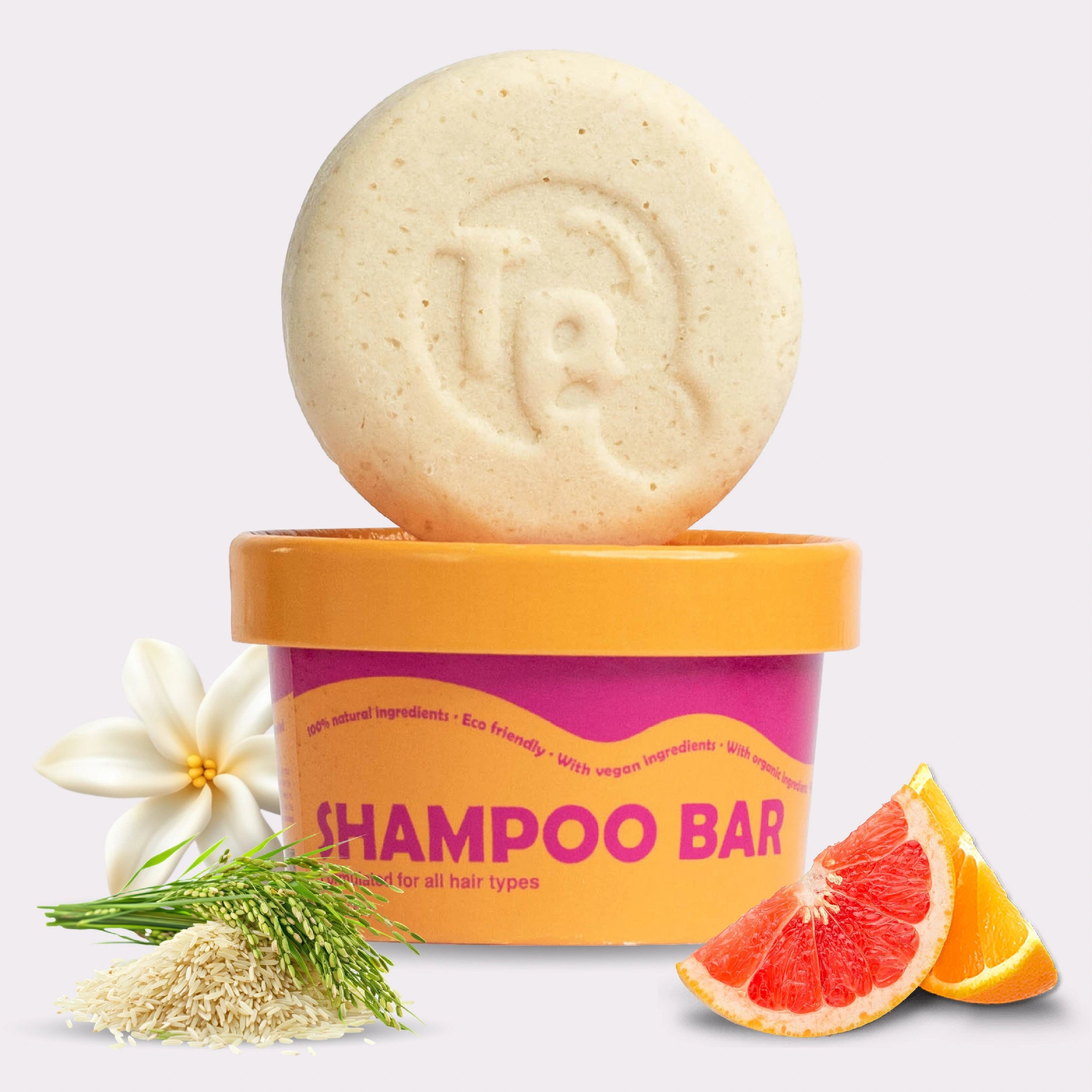
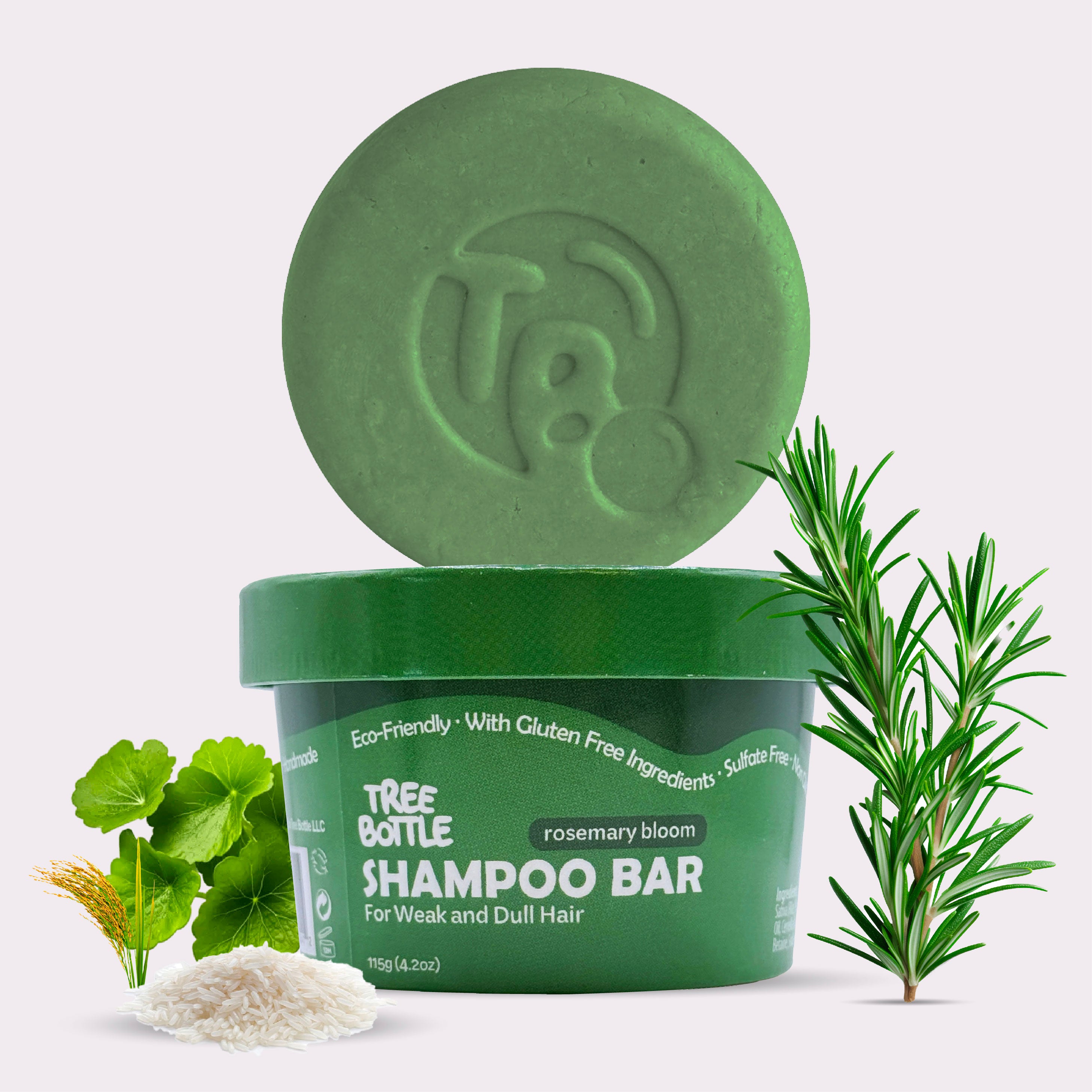
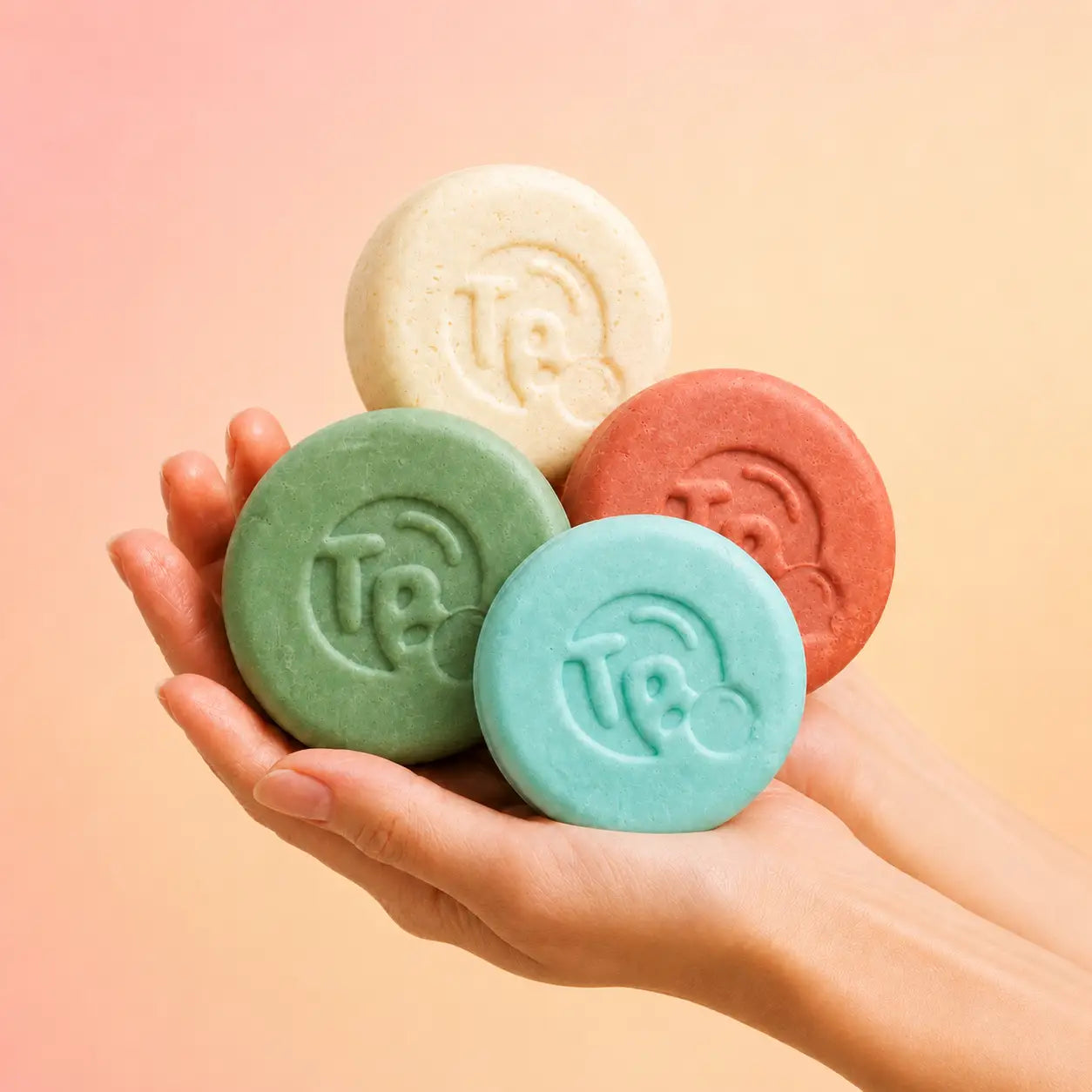
To see how targeted bar formulas can align with different routines, you can explore options such as frizz and shine support from Tree Bottle. Choosing a bar based on your goals helps your routine stay intentional rather than reactive.
Usage tips for best results
Many customers get better results when they use a sulfate-free shampoo bar with a consistent technique. The goal is to cleanse your scalp effectively while keeping the lengths conditioned through rinsing.
- Wet hair thoroughly. Use warm water to help the bar lather easily.
- Rub the bar between hands or apply directly. Choose the method that feels most natural, then massage into the scalp.
- Focus on the scalp. Your fingertips should do the majority of the work at the roots.
- Let the cleanser do the lifting. A brief massage typically supports removal of oil and residue without over-scrubbing.
- Rinse completely. Thorough rinsing helps prevent any feel of residue and keeps hair light.
If your hair feels different after the first few washes, it usually improves as your routine adjusts. Bar formulas can change how hair responds to cleansing, especially when you switch from a strongly foaming liquid shampoo.

Rinsing clarity icons and controlled bar lather flow
Transitioning from liquid shampoo to shampoo bars
Switching to a solid cleansing routine does not need to be disruptive. A smooth transition can improve your comfort and help you understand what your hair needs.
Start by using the bar for your usual wash schedule, without changing every other hair step at once. If you currently use a heavy conditioner or a leave-in product, keep it for the first couple of weeks. That approach helps you evaluate the bar’s cleansing effect more accurately.
During the transition, some shoppers experience a short adjustment period. This can happen when buildup from previous products needs time to clear or when hair adapts to a different surfactant system. To support this, ensure that you massage the scalp properly and rinse thoroughly.
If you have very product-heavy routines, consider washing slightly more consistently during the first several weeks. Once your scalp and lengths feel balanced, you can adjust your frequency based on how your hair behaves.
Storage and care to extend bar life
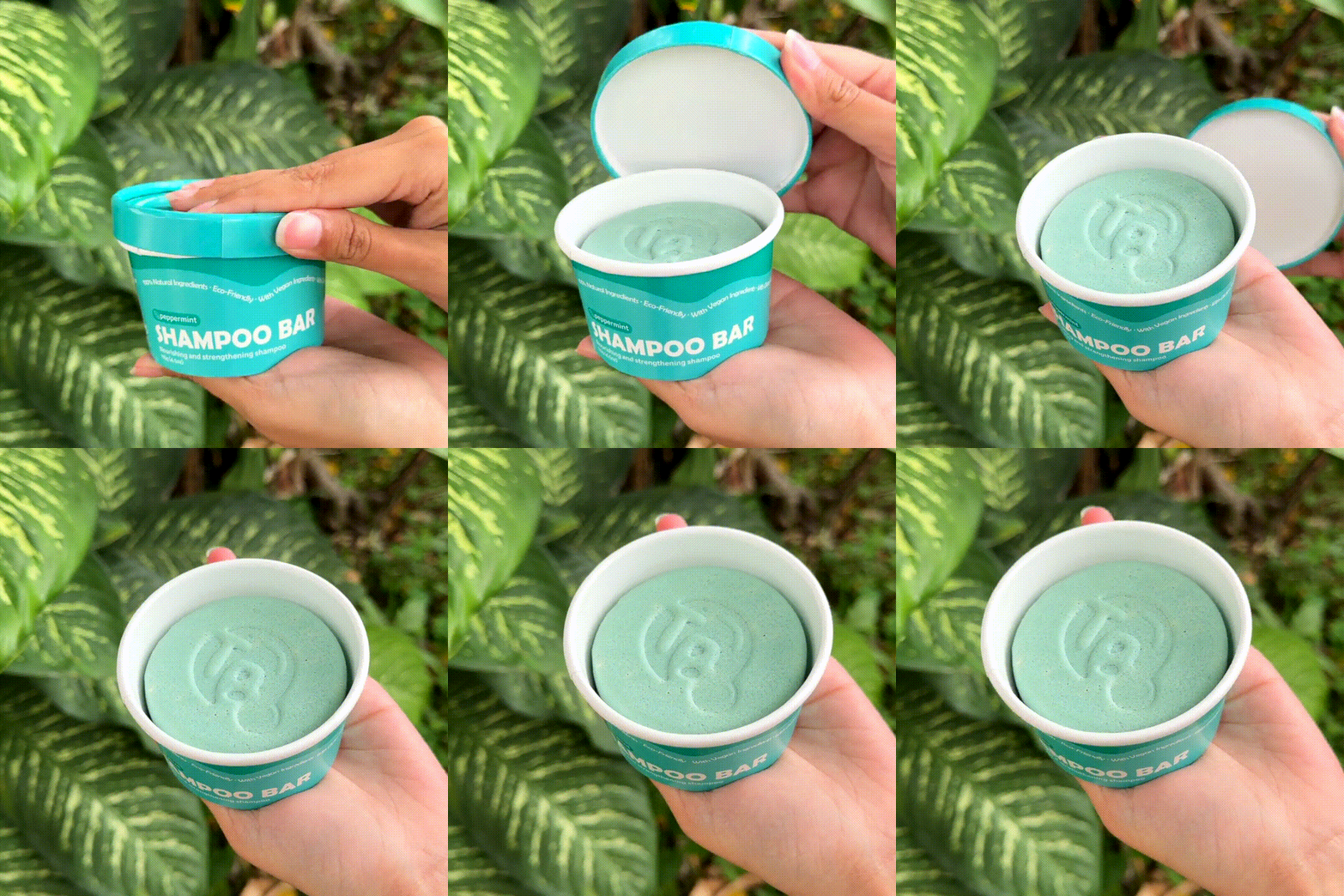
Proper storage is a core factor in bar performance. When a shampoo bar remains in standing water, it can soften too quickly and may not lather as expected.
- Use a draining soap holder. Place the bar in a container that allows water to escape.
- Keep it dry between washes. After each use, shake off excess water and leave it to air-dry.
- Do not cover in a sealed environment. A sealed bag can trap moisture and shorten bar lifespan.
- Cut for convenience if needed. If your bar becomes too large, you can portion it for easier handling without affecting performance.
Sulfate-free shampoo bars vs. traditional formulas
It is common to compare bar-based sulfate-free formulas with traditional liquid shampoos. The difference often comes down to surfactant choice, cleansing strength, and how the formula rinses.
Traditional shampoos can be designed for maximum foam. While foam does not automatically indicate superior cleansing, some users feel that their hair is fully washed only when lather is visible. A sulfate-free bar may produce less foam but can still cleanse effectively when massaged into the scalp.
Another point is how hair feels after rinsing. Many sulfate-free users report a softer hand feel, improved manageability, and less roughness when air-drying. Those outcomes depend on the rest of the formula and your overall routine, including conditioning and hydration practices.
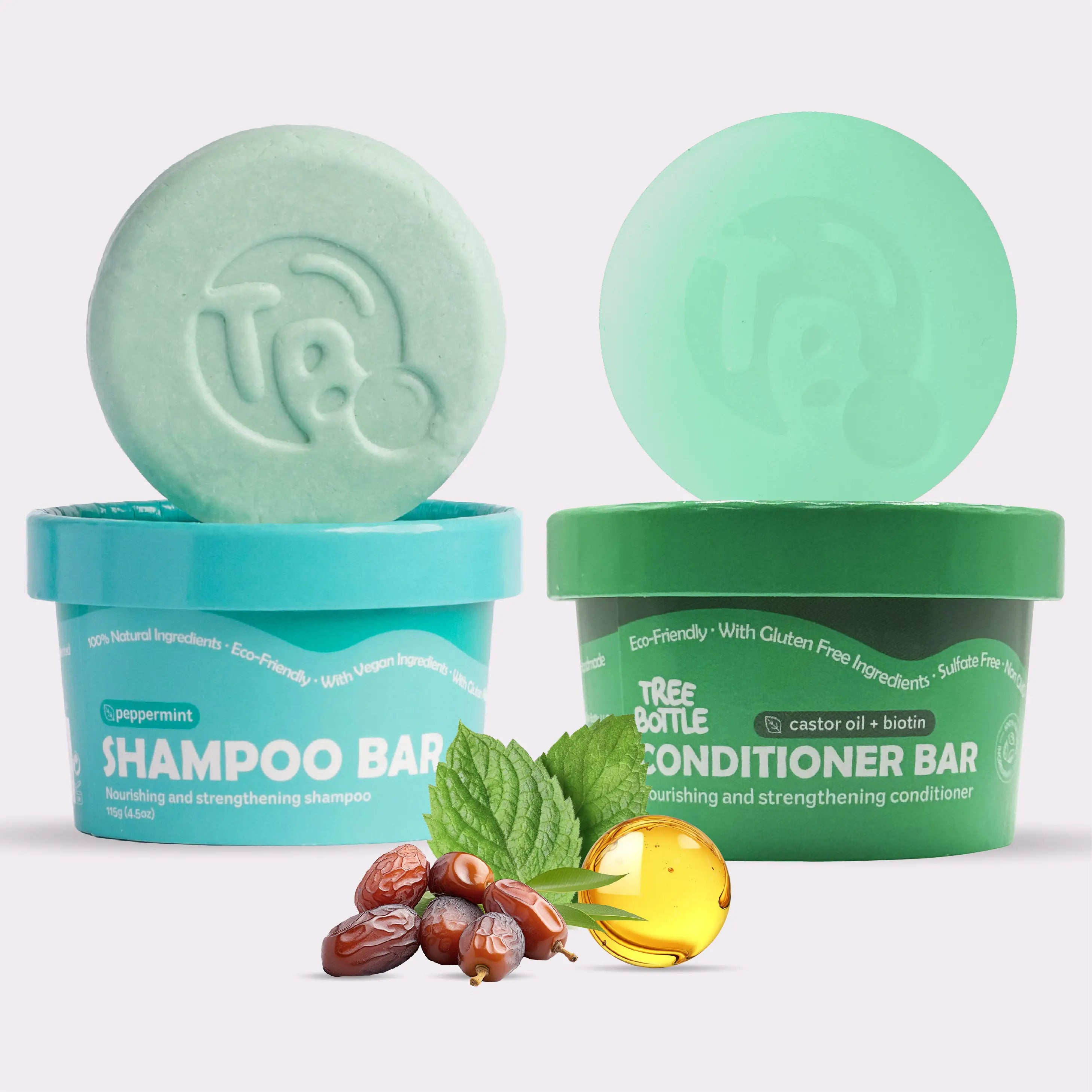
For additional guidance on hair routines built around targeted bar care, you may also review a complementary approach with conditioner options from the same family of products at Tree Bottle. If you prefer exploring variety across hair goals, you can also check Norvia Co for broader personal care inspiration.
FAQ
Are sulfate-free shampoo bars suitable for sensitive scalps?
Many users with sensitive scalps choose sulfate-free shampoo bars because they often use gentler cleansing agents. Sensitivity varies by individual, but selecting a bar designed for scalp comfort and ensuring thorough rinsing can improve overall experience.
How often should I wash with a sulfate-free bar?
Most routines follow a frequency based on scalp oiliness and lifestyle. If your scalp becomes oily quickly, you may need more frequent washes. If your scalp feels dry, you may benefit from washing less often and focusing on conditioning at the lengths.
Will a bar shampoo create the same lather as a liquid shampoo?
Lather levels can be different. A sulfate-free shampoo bar may create a softer foam because it uses alternative surfactants. Cleansing performance still depends on massage technique, water temperature, and complete rinsing.
Final Thoughts and Recommendations
Sulfate-free shampoo bars offer a structured alternative to conventional liquid cleansing, with a focus on gentle cleansing and routine compatibility. When you select a bar that matches your scalp needs and hair texture, you can build a wash routine that supports comfort, manageability, and consistent shine.
To get reliable results, use a consistent technique: wet hair thoroughly, massage the scalp, rinse completely, and store the bar in a draining holder. If you want to explore options that align with distinct hair goals, start with a formula tailored to your primary concern, such as frizz and shine support, volume feel, or smoothing outcomes.
Consider trying one sulfate-free shampoo bar that matches your current priorities, evaluate it over several washes, and adjust conditioner steps if needed. A thoughtful transition usually leads to a calmer wash experience and a more predictable hair feel.
About the Author
Tree Bottle supports evidence-minded hair care education through ingredient-focused guidance. The expertise centers on hair cleansing routines, bar-format usability, and matching formulas to scalp and texture needs. The team encourages customers to choose products that fit their personal goals and to maintain consistent wash-and-care habits. For a smooth start, review your hair priorities and select a bar accordingly.
Disclaimer: This article is for general informational purposes and does not constitute medical advice. Hair responses vary by person and product. If you have scalp irritation or sensitivities, discontinue use and consult a qualified professional.