

Updated on: 2026-08-04
A volumizing shampoo bar is designed to lift hair at the roots while cleansing without liquid waste. Many formulas use plant-based ingredients and lightweight conditioning agents to support softness and manageability. Because bars are concentrated, they often last longer than conventional bottles when used correctly. The best option depends on your hair density, scalp needs, and how quickly your hair becomes oily or flat.
Contents
Did You Know?
- Hair that feels flat is often not just about product buildup; it can also involve how strands move at the cuticle after washing.
- Shampoo bars are typically formulated to create effective slip and foam with less water than many people expect.
- Many bar shampoos are designed for travel because they are compact, spill-resistant, and easy to store.
- Volume is usually influenced by scalp comfort, ingredient choices, and drying method, not by a single ingredient alone.
Comparison: Pros & Cons
- Pros: Concentrated formula can reduce packaging; often provides gentle cleansing with supporting conditioning; can help reduce liquid-bottle clutter; may enhance lift when rinsed thoroughly.
- Pros: Useful for routine consistency because the bar format encourages measured usage.
- Cons: Requires correct lathering technique; bars need proper drying between uses to prevent softening.
- Cons: Some people may need an adjustment period if they switch from daily liquid shampoo or heavily silicified routines.
- Cons: Water hardness can affect foam feel; rinsing quality remains essential.
Buyer’s Checklist
Choosing the right volumizing shampoo bar is more precise than selecting a scent. Use this checklist to match the formula to your hair goals and scalp routine.
- Look for lift-focused design: Words such as volumizing, fuller, or root-supporting often signal a focus on lightweight cleansing and texture.
- Check scalp compatibility: If your scalp feels sensitive, prioritize formulas that offer balanced cleansing without aggressive harshness.
- Assess your hair texture: Fine hair typically benefits from light conditioning; thicker hair may require a slightly more thorough rinse.
- Confirm ingredient intent: Seek plant-derived moisturizers and film formers that do not weigh hair down.
- Consider your rinse routine: If you rinse less thoroughly, any shampoo format can leave residue that reduces volume.
- Verify bar handling: Select a bar you can store dry, ideally on a ventilated dish.
How to Use a Volumizing Shampoo Bar
Technique strongly affects results. A volumizing shampoo bar can perform well when lathering and rinsing are consistent. Follow these steps to support root lift and clean movement.
- Wet the bar and your hair thoroughly. Use warm water to help the bar release into a stable lather.
- Build lather in your hands first. Rub the bar between wet hands until foam forms, then apply to the scalp.
- Focus on the scalp and roots. Let the foam run through the lengths. Excess product on mid-lengths can reduce bounce.
- Massage gently. Use circular motions for even cleansing, especially around the hairline.
- Rinse longer than you think. Thorough rinsing reduces the risk of residue that makes hair feel flat.
- Dry with lift. Towel press, then use a blow dryer with a downward-to-upward airflow pattern at the roots.

Root-focused lathering, airflow arrows, and thorough rinsing cues
For best results, keep your cleansing routine realistic. If you currently wash once or twice weekly, do not jump to a daily schedule suddenly. Instead, adapt gradually and observe how your scalp reacts.
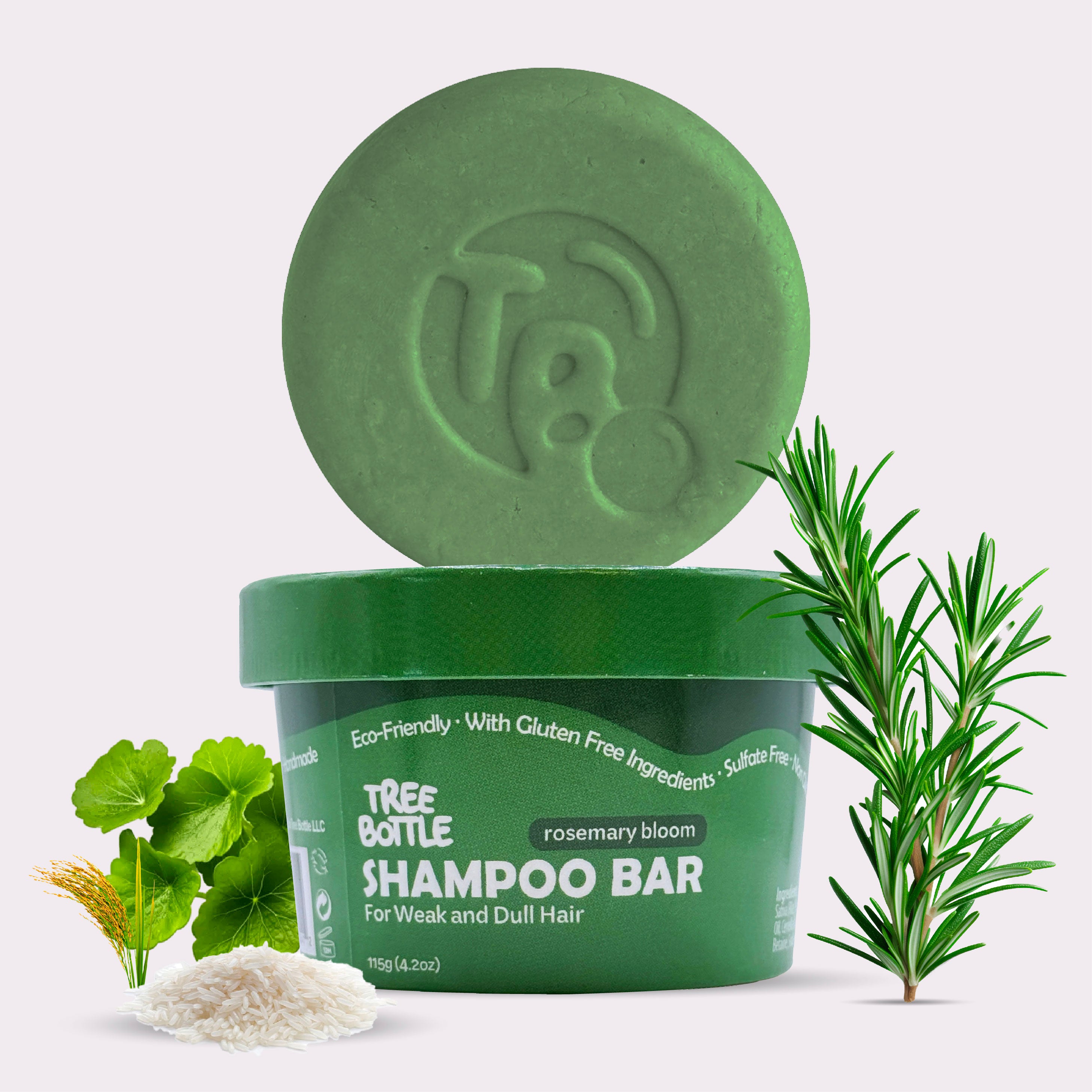
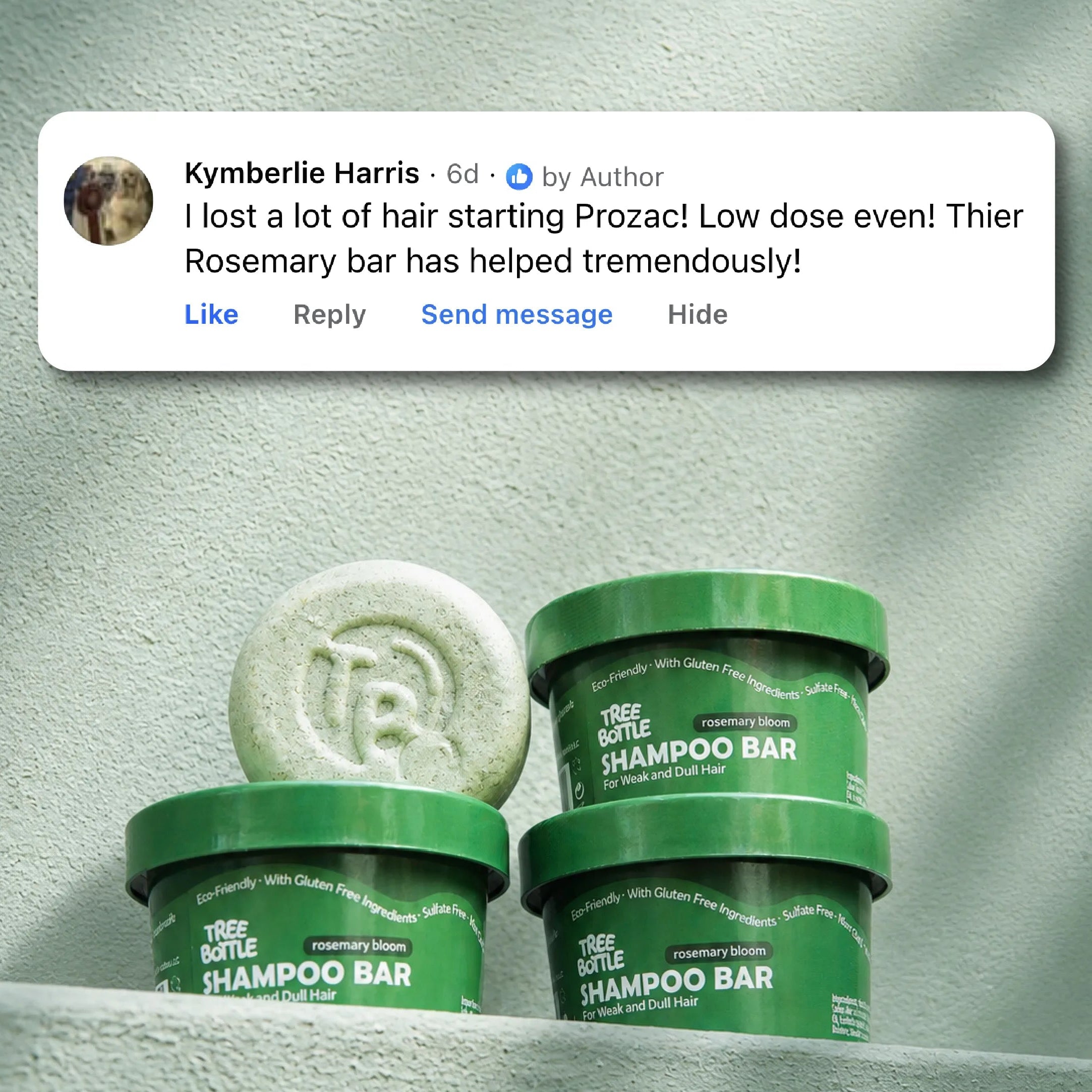
If you want an example of a lift-oriented option, consider this product.

Rice Water + Rosemary Shampoo Bar - VOLUMIZING & FULLER HAIR
Explore the Rice Water + Rosemary option
Ingredients That Matter for Lift and Texture
Volumizing shampoo bars tend to work best when they balance three goals: effective cleansing, light conditioning, and improved feel during drying. The following ingredient categories often support those outcomes.
Lightweight botanicals and plant extracts
Plant-based extracts can support softness without heavy buildup. The goal is to improve slip and reduce friction so hair moves freely after rinsing.
Polishing and film-forming support
Some formulas include ingredients that coat hair lightly. The best options create a manageable surface while keeping movement. When film formers are too heavy, volume often drops quickly.
Scalp-comfort ingredients
A healthy scalp environment matters for volume because follicles respond to how often and how well the scalp is cleansed. Ingredients that help maintain comfort can support consistent growth routines.
Water-compatibility considerations
In regions with hard water, mineral deposits can interfere with how hair feels after washing. A clarifying routine, such as an occasional chelating shampoo step or a thorough rinse habit, can support long-term volume.
Who It Suits Best
Not every volumizing shampoo bar is ideal for every hair type. Use these guidelines to align expectations with realistic performance.
Fine, flat, or oily-prone hair
If your roots become oily quickly, a volumizing shampoo bar can help by cleansing without a layer of heavy residue. The key is lather control and rinsing length. Many users also benefit from focusing cleansing on the scalp and allowing the suds to cleanse the lengths lightly.
Dry ends with limp roots
When your roots are flat but your lengths feel dry, avoid applying too much shampoo to the mid-lengths. Instead, cleanse the scalp, then condition only where dryness appears. This preserves root lift while improving end texture.
Wavy hair and loose curls
For texture-driven styles, volumizing shampoo bars can enhance definition by reducing stiffness after rinsing. The right technique supports bounce and helps curls separate instead of clumping.
Color-treated hair
Color can affect how hair reflects light and how it feels. A gentle cleansing approach that does not strip excessively can help maintain softness. If you wash frequently, watch how the bar affects color longevity and adjust frequency as needed.
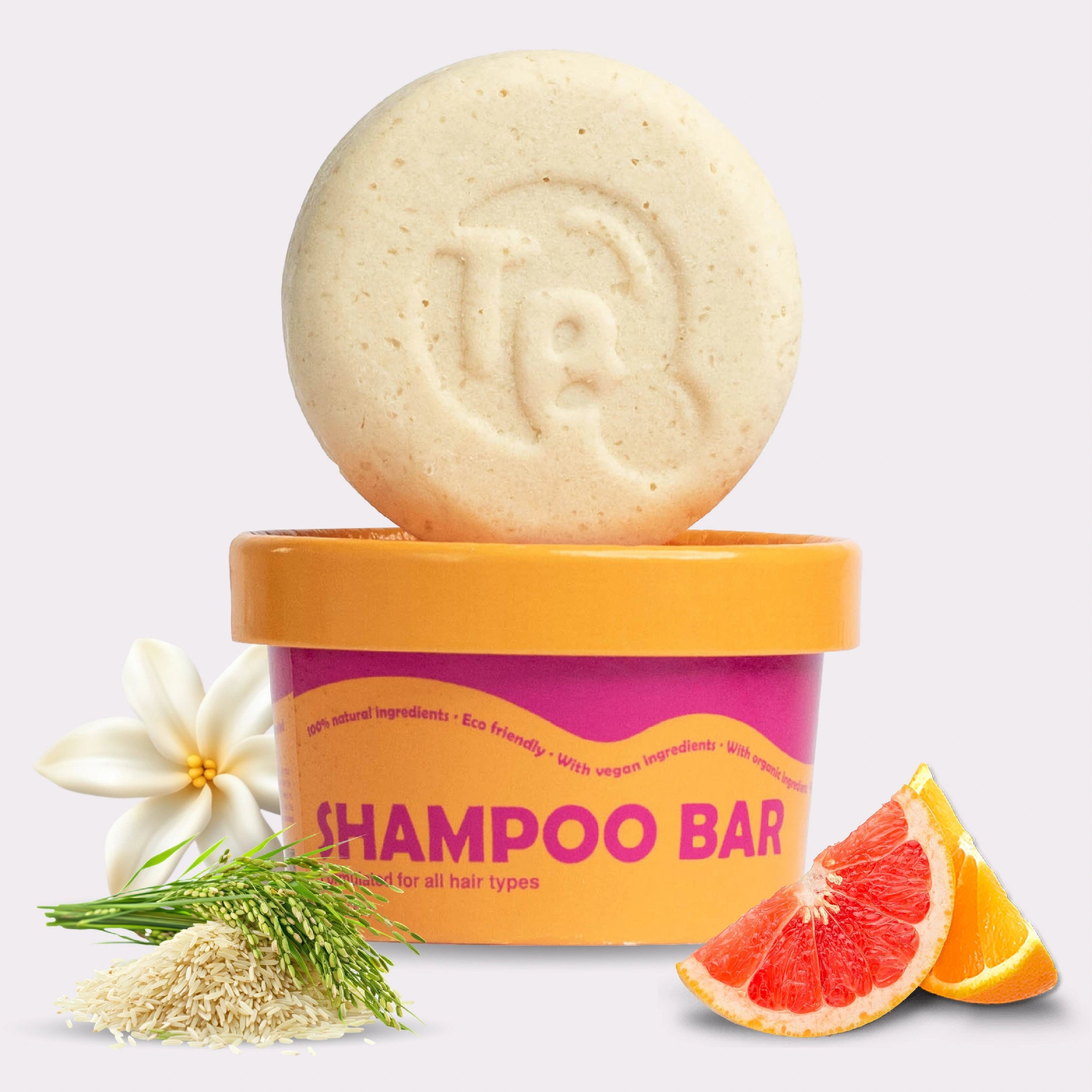
If you also want to reduce frizz while maintaining body, you may find value in a complementary option such as a pro-vitamin B5 citrus shampoo bar for frizz control.
Pro-vitamin B5 citrus shampoo bar
Visual Guide: Lather, Coverage, and Lift
Use this simple mental model during washing. Lift comes from clean scalp contact and reduced residue on the roots.
- Massage pattern: Demonstrate a circular movement map across the crown and hairline.
- Coverage cue: Show foam distribution only on the scalp area, with lengths receiving minimal direct lather.
- Rinse cue: Indicate a “long rinse” arrow that extends beyond the initial rinse time.
Visual Guide: Rinsing and Root Volume
Volume depends on how hair dries after the rinse. Rinsing impacts softness and lift, especially for fine hair.
- Water stream length: Depict a sustained rinse visual over roots rather than mid-lengths only.
- Drying airflow: Use arrows that show upward airflow at the roots.
- Texture outcome: Represent separate strands with light, spaced lines.

Long rinse flow, upward airflow arrows, spaced strand lines
Final Thoughts & Advice
A volumizing shampoo bar can be a practical upgrade for people who want cleaner-looking roots and improved hair movement without the daily weight of heavy product layers. The most reliable results come from consistent lathering, scalp-focused cleansing, and a thorough rinse. After that, drying technique completes the process. If you introduce a new bar, allow a short adjustment period and evaluate volume over multiple washes rather than a single session.
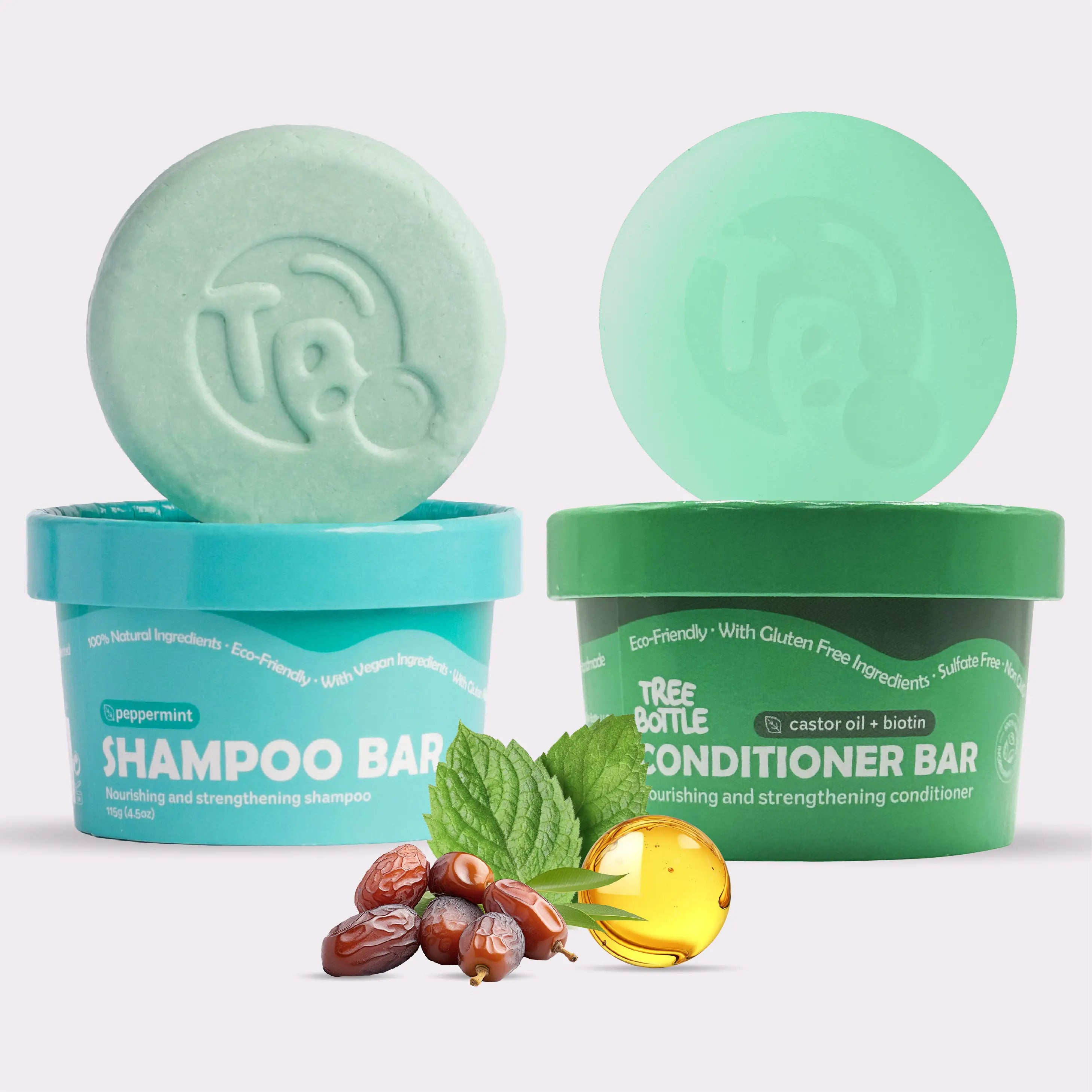
For sustainable routines, consider your wider hair care system as well. Pair your shampoo bar with a conditioner strategy that supports bounce instead of weighing down. For example, some users choose a conditioner bar to balance softness while keeping lift. If your routine includes growth support goals, you can explore a broader hair care approach from HER Luxury.
Q&A Section
How often should I use a volumizing shampoo bar?
You can generally use it on the same schedule as your current shampoo routine. If you have an oily scalp, you may wash more frequently, but focus on scalp cleansing rather than heavy application to the lengths. Fine hair often benefits from consistent, not excessive, cleansing.
Will a shampoo bar create residue that makes hair flat?
Residue is usually related to insufficient rinsing, product stacking, or water hardness rather than the bar format itself. Lather in controlled amounts, rinse longer at the roots, and avoid applying direct product to mid-lengths when you aim for lift.
Is a volumizing shampoo bar suitable for sensitive scalps?
Many bar formulas can be suitable for sensitive scalps because they are designed for consistent daily hygiene. However, sensitivity is individual. When switching products, start gradually, monitor comfort, and avoid layering multiple new treatments at the same time.
What is the best way to store a shampoo bar for performance?
Store the bar in a dry, ventilated place between uses. Excess moisture causes softening and can shorten the bar’s usable life. A drainage-friendly tray or soap holder helps maintain shape and keeps lathering efficient.
Should I use conditioner with a volumizing shampoo bar?
Conditioner is optional but often beneficial. If your hair feels dry, apply conditioner to lengths and ends only, then rinse thoroughly. This approach supports softness while preserving root lift.
About the Author
Tree Bottle is a hair care and personal care brand that focuses on effective, ingredient-aware routines designed for everyday use. This post is guided by expertise in hair cleansing fundamentals, texture support, and sustainable beauty practices. For more consistent results, readers are encouraged to match technique and product choice to their scalp comfort and styling goals. Thank you for reading.