

Updated on: 2026-08-18
Volumizing shampoo bars help you lift hair at the roots while cleansing without the usual heavy feel. They are designed for people who want fuller-looking hair without relying on frequent styling. A bar format can also support a more consistent routine because it is easy to store and use. With the right technique and ingredient awareness, you can improve bounce, texture, and overall appearance.
What Are Volumizing Shampoo Bars?
Key Benefits of Volumizing Shampoo Bars
How to Choose the Right Volumizing Bar
How to Use Volumizing Shampoo Bars for Best Results
Build a Volumizing Routine Without Overdoing It
Common Mistakes and Troubleshooting
Ingredient Guide for Root Volume
Recommended Volumizing Options
FAQ
Closing Thoughts
About the Author
What Are Volumizing Shampoo Bars?
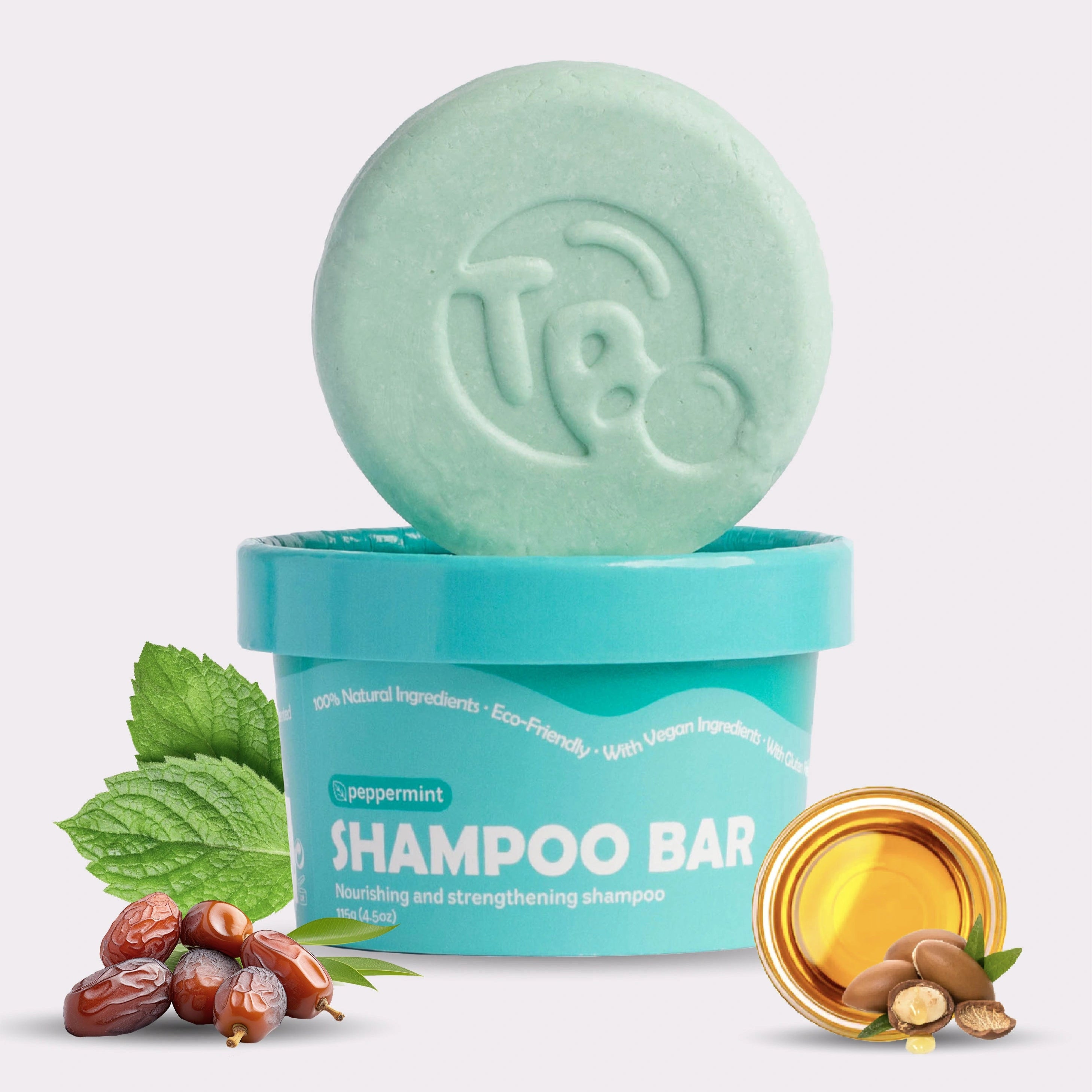
Volumizing shampoo bars are solid cleansing products formulated to improve the look and feel of hair volume. Unlike traditional liquid shampoo that can leave hair flat due to residue or overly coating textures, a well-formulated bar focuses on thorough cleansing and a lightweight finish.
When hair feels heavy, volume usually suffers at the scalp level. Bars are often designed to cleanse effectively while leaving a smoother, less coated surface. This creates the foundation for lift, bounce, and movement—especially for fine hair, thin hair strands, or hair that tends to lose shape quickly.
The key concept is not just “more foam.” The real value comes from how the cleanser interacts with oil, sweat, and product buildup. When scalp oil and residue are reduced, hair can separate more easily, which improves visual fullness.
Key Benefits of Volumizing Shampoo Bars
There are several practical benefits that make volumizing shampoo bars appealing for everyday use.
- Lightweight feel: Many bars are built to cleanse without leaving a thick coating, helping hair look less weighed down.
- Root-focused freshness: By targeting scalp buildup, you can support lift where it matters most.
- Better routine control: The bar format makes it easier to use consistent amounts and rinse thoroughly.
- Travel and storage friendly: Solid bars are typically easier to pack and less likely to spill.
- Compatibility with many styles: Volume styling becomes easier when hair is clean and not overly coated.
To get these benefits, technique matters. Even the best volumizing shampoo bar will underperform if it is not rinsed well or applied too late after buildup begins.
Scalp oil and buildup concept with clean lift
How to Choose the Right Volumizing Bar
Choosing the right volumizing shampoo bar is an ingredient and hair-type decision. Focus on scalp needs first, then match to your hair texture and sensitivity level.
1) Match your scalp and hair type
- Fine or thin hair: Look for formulas that rinse clean and do not rely on heavy conditioning.
- Oily roots: Choose cleansing support that helps remove buildup without leaving the scalp tight.
- Dry ends: Keep expectations realistic; volume starts at the scalp, but hydration should remain for lengths.
2) Check how the formula feels on hair
Volumizing bars often aim for a smoother finish rather than a waxy one. If your hair feels coated after washing, you may be using too much product or not rinsing fully.
3) Consider your sensitivities
Some people prefer gentle, plant-forward cleansers. If you have a sensitive scalp, select a bar designed for comfort and avoid routines with excessive friction.
4) Prioritize rinse quality
Volume is influenced by how well you rinse. A bar that works well on paper can still leave residues if rinsing is incomplete. Plan for thorough rinsing time, especially in hard water areas.
How to Use Volumizing Shampoo Bars for Best Results
Using a volumizing shampoo bar correctly is one of the fastest ways to improve results. The goal is scalp cleansing, gentle distribution, and complete rinsing.
Step 1: Wet hair thoroughly
Begin with fully wet hair. The bar lathers more effectively with water, and wet hair helps reduce friction during application.
Step 2: Create lather in your hands or on the scalp
Rub the bar between your palms until you get a consistent lather. If you prefer direct application, glide the bar gently over the scalp. Avoid aggressive scrubbing, which can increase tangling.
Step 3: Focus on roots and massage
Use fingertips to massage the scalp for a short, controlled interval. Concentrate on root areas rather than only length.
Step 4: Let the cleanser work briefly
A brief pause allows cleansing ingredients to contact oil and residue. Keep it short and consistent so the routine remains manageable.
Step 5: Rinse until water runs clear
Rinsing is where volume often improves. If water still feels slick, rinse longer. For dense hair, separate sections under the water stream.
Step 6: Condition only where needed
To protect lift, apply conditioner primarily to mid-lengths and ends. If your hair tangles easily, use a small amount and rinse fully.
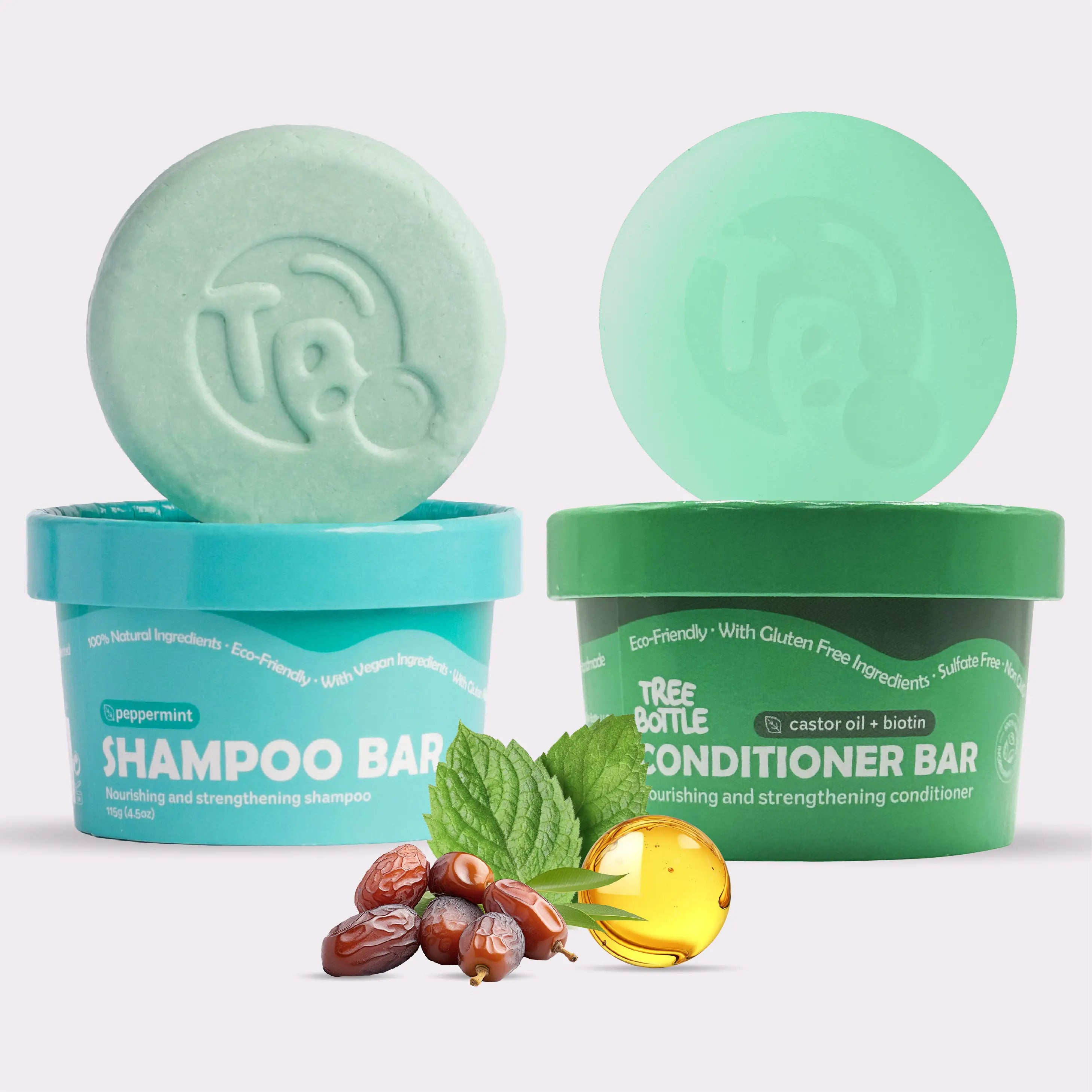
If you prefer a matched approach, many routines pair a volumizing shampoo with a light conditioner strategy. You can explore a relevant option from Tree Bottle for complementary cleansing and conditioning needs: volumizing shampoo bar.
Sectioned hair rinsing with clear water flow cues
Build a Volumizing Routine Without Overdoing It
Volume is not only about what you wash with. It is also about consistency, product layering, and styling habits between washes.
Start with a realistic wash schedule
Fine hair often benefits from more frequent cleansing, while dry hair may need less frequent washing. Choose a schedule that prevents buildup while respecting scalp comfort.
Use complementary styling with cleaner hair
When hair is clean, simple techniques can have a stronger effect. Try these volume-friendly habits:
- Use a small amount of styling product, focusing on mid-lengths to ends.
- Apply heat carefully, targeting the cuticle and roots with controlled passes.
- Allow hair to cool before brushing to maintain shape.
Reduce residue from other products
Even a volumizing shampoo bar cannot fully counter heavy leave-ins, thick oils on the scalp, or frequent dry shampoo without cleansing follow-up. If your volume fades quickly, evaluate what you apply between washes.
Keep the bar dry between uses
For performance and longevity, dry the bar between washes. Store it in a ventilated area or a suitable holder. This also helps the bar maintain a consistent lather.
If your routine also includes hair care accessories or personal care planning, you may want to explore brand offerings from Nourabeauty as an example of how online stores curate personal care solutions. Always choose products based on your scalp and hair needs rather than marketing claims.
Common Mistakes and Troubleshooting
Volume problems usually come from avoidable routine issues. Below are frequent causes and practical fixes.
Mistake 1: Using too much product
More product does not always mean better cleansing. Overuse can create residue and a coated feel. Start with a small amount of lather and adjust gradually.
Mistake 2: Not rinsing thoroughly
Incomplete rinsing can leave a film that flattens hair. Extend rinse time and divide thick hair into sections.
Mistake 3: Conditioning the scalp
Conditioners can reduce lift when applied near roots. Use conditioner on lengths only and keep it minimal if your hair goes flat quickly.
Mistake 4: Washing with dry, unprepared hair
If hair is not wet enough, lather may be uneven and friction can increase tangles. Wet hair fully before application.
Mistake 5: Scrubbing aggressively
Harsh scrubbing can irritate the scalp and increase hair fall indirectly through stress. Massage with gentle pressure.
Quick reset approach
If your hair feels dull or lifeless, perform one careful wash with thorough rinsing. Then simplify the next wash by reducing heavy leave-ins and focusing on scalp cleansing.
Ingredient Guide for Root Volume
Ingredient awareness helps you select the best volumizing shampoo bars for your goals. Instead of chasing a single “magic” ingredient, focus on how the formula supports cleansing, texture, and scalp comfort.
Plant-based cleansing systems
Many solid shampoos rely on surfactants that lift oil from the scalp. Effective cleansing is the base of volume because hair separates better when it is not slicked down.
Lightweight conditioning support
Some bars include ingredients that provide a softer feel without heavy coating. This can improve manageability so you can style with less tugging.
Moisture balance for ends
Even volumizing routines should avoid overly dry ends. Look for formulations that support softness so hair does not look frizzy or brittle after cleansing.
Scalp comfort ingredients
If your scalp is sensitive, prioritize formulas that aim for comfort and avoid overly harsh routines. Comfort supports consistency, and consistency is what makes volume visible over time.
For specific product ingredient profiles, refer to the product page descriptions. Those pages typically provide details on intended benefits and recommended usage.
Recommended Volumizing Options
Different hair types respond to different formulas. The most important step is to choose a bar that aligns with your scalp conditions and your desired finish.
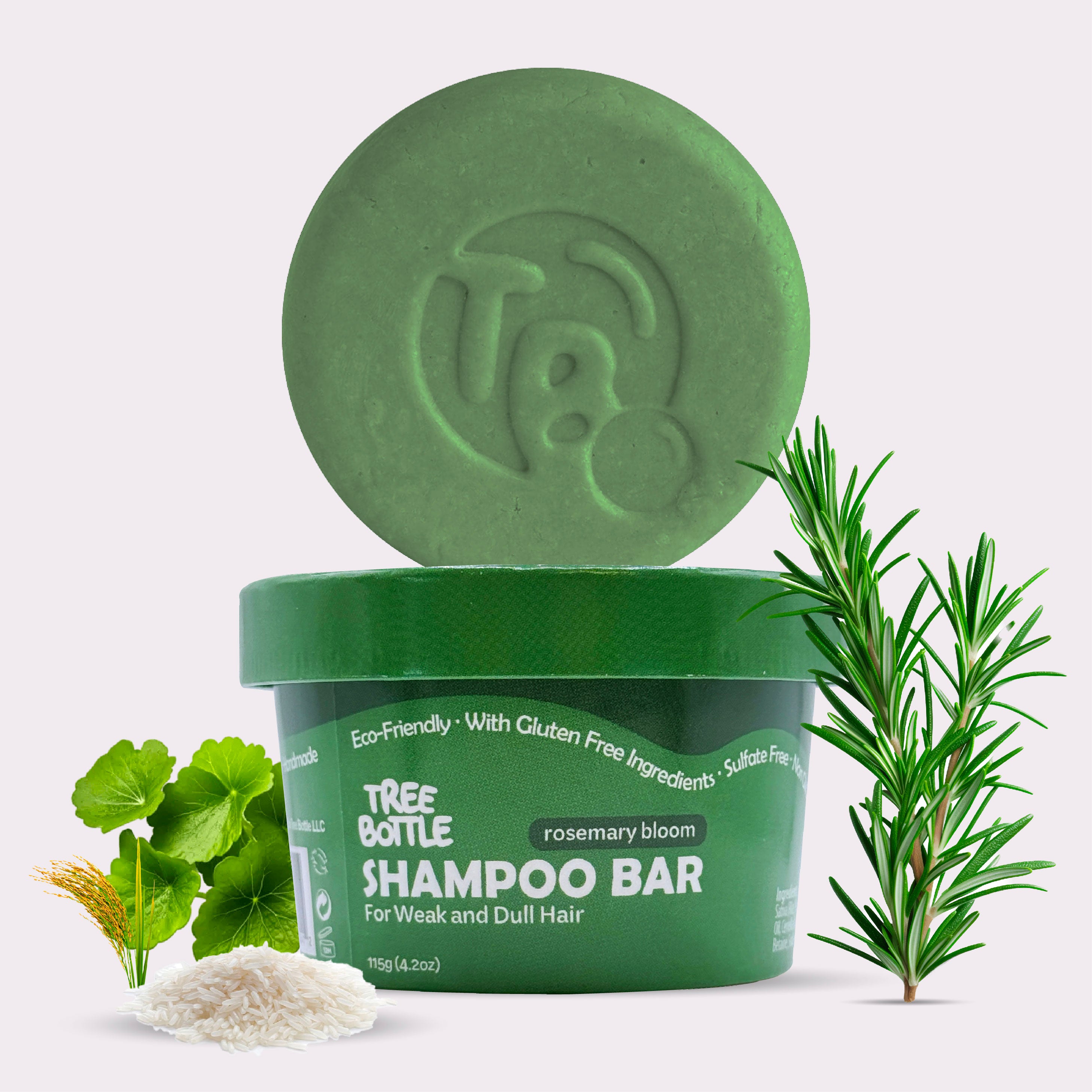
- Rice water and rosemary style volumizing bars: Often positioned for fuller-looking hair and enhanced movement. Consider this category if you want lift with a balanced feel. You can review one option here: Rice Water Rosemary Volumizing Bar.
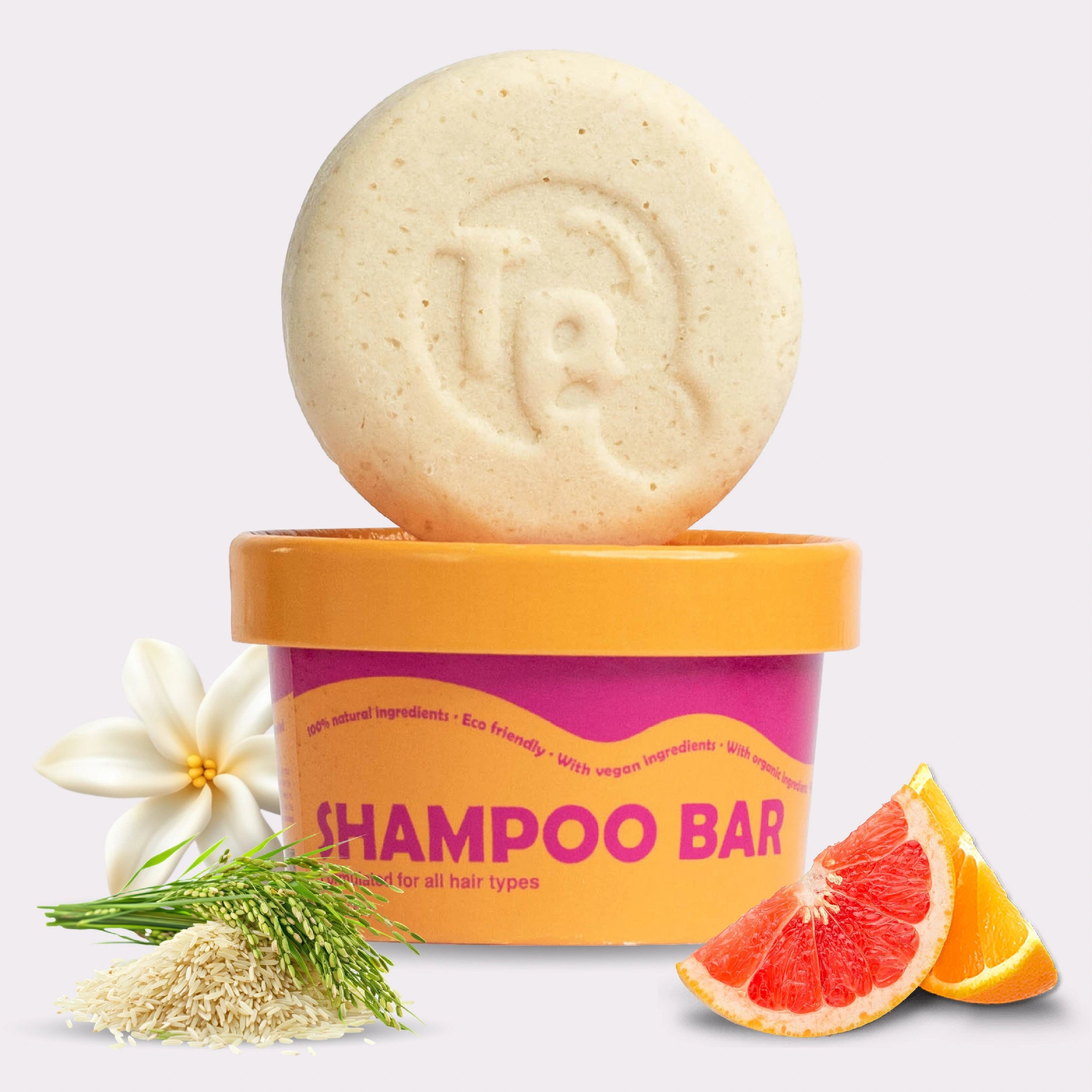
- Frizz and shine support with a cleaner rinse: If your hair is wavy or curly, volume can be reduced by frizz. A bar that improves smoothness may make volume look cleaner. Explore: Frizz and Shine Shampoo Bar.
- Gentle scalp approach for delicate hair: If your routine must be mild, consider a bar designed for gentler cleansing while you build consistency. A milder direction can support routine adherence and reduce irritation risk.
When selecting, prioritize performance over novelty. Choose the bar that helps you maintain clean roots, manageable ends, and a finish that does not weigh hair down.
How soon will volumizing results appear after switching to a shampoo bar?
Many people notice improved bounce after the first wash because the bar format often supports thorough rinsing and reduces buildup on the scalp. For lasting lift, plan for several wash cycles so your scalp oil production and product interactions settle into a consistent routine.
Is a volumizing shampoo bar suitable for fine hair and oily roots?
Yes, volumizing shampoo bars are often a strong match for fine hair and oily roots because they focus on scalp cleansing and a lighter feel. The outcome depends on how much you use and how completely you rinse, especially if you use styling products or dry shampoo between washes.
Should I use conditioner with a volumizing shampoo bar?
Conditioner is helpful for softness and detangling, but it should usually be applied to mid-lengths and ends rather than the scalp. This strategy supports lift at the roots while maintaining comfort and smoothness where volume is less sensitive to coating.
Closing Thoughts
Volumizing shampoo bars can be an effective way to support lift, bounce, and a cleaner look without relying on heavy products. When you choose a formula aligned with your scalp needs and use a rinse-first technique, the results become more consistent. Commit to a simple routine, keep conditioner away from the roots, and adjust your amount and wash frequency until your hair behaves predictably. If you want to refine your approach, start with one bar, evaluate performance over multiple washes, and then optimize based on how your hair responds.
About the Author
Tree Bottle is dedicated to practical hair care education and responsible formulation guidance for modern routines. With expertise in scalp-friendly cleansing, texture support, and ingredient transparency, Tree Bottle focuses on helping readers choose methods that fit their hair behavior. Their approach emphasizes consistent technique rather than short-term trends. Thank you for reading, and take the next step by selecting a volumizing shampoo bar that matches your scalp and styling goals.